
Last updated November 14, 2026
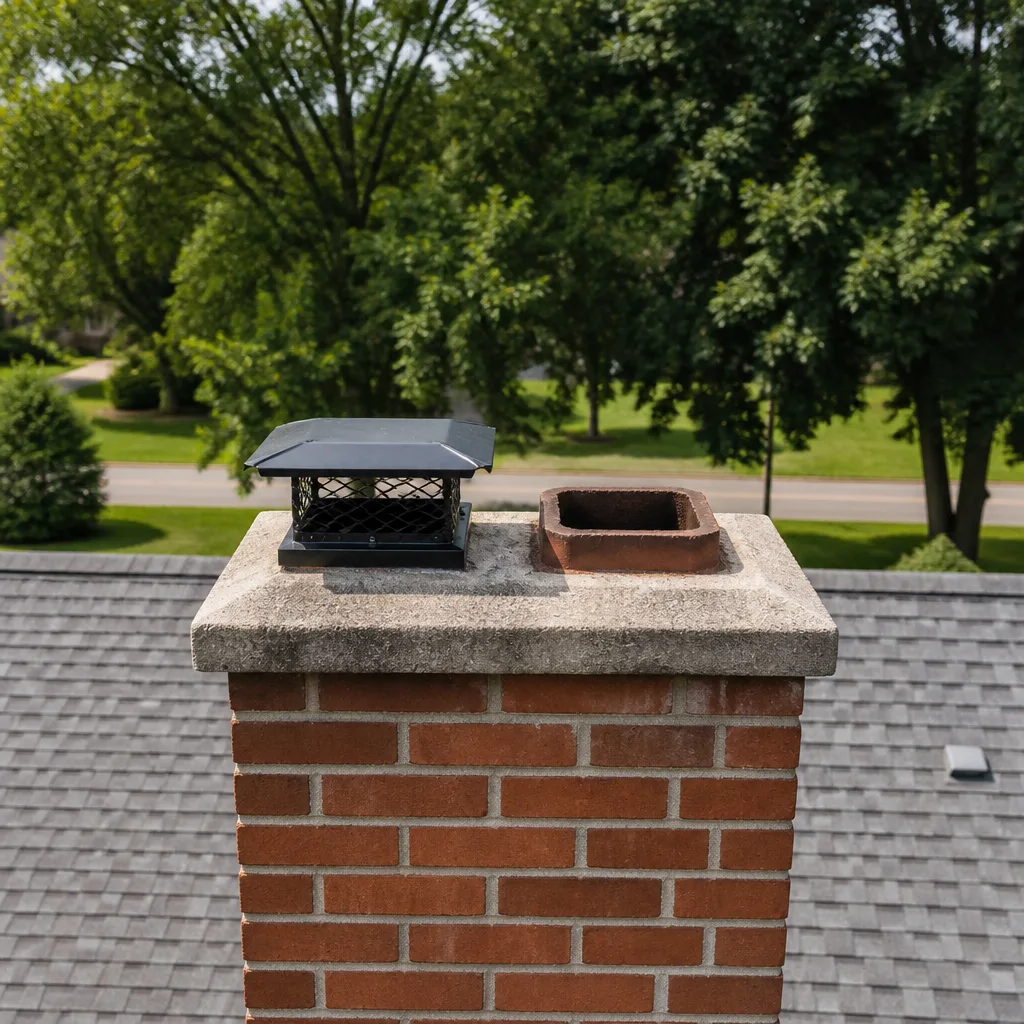 Sweep & inspection
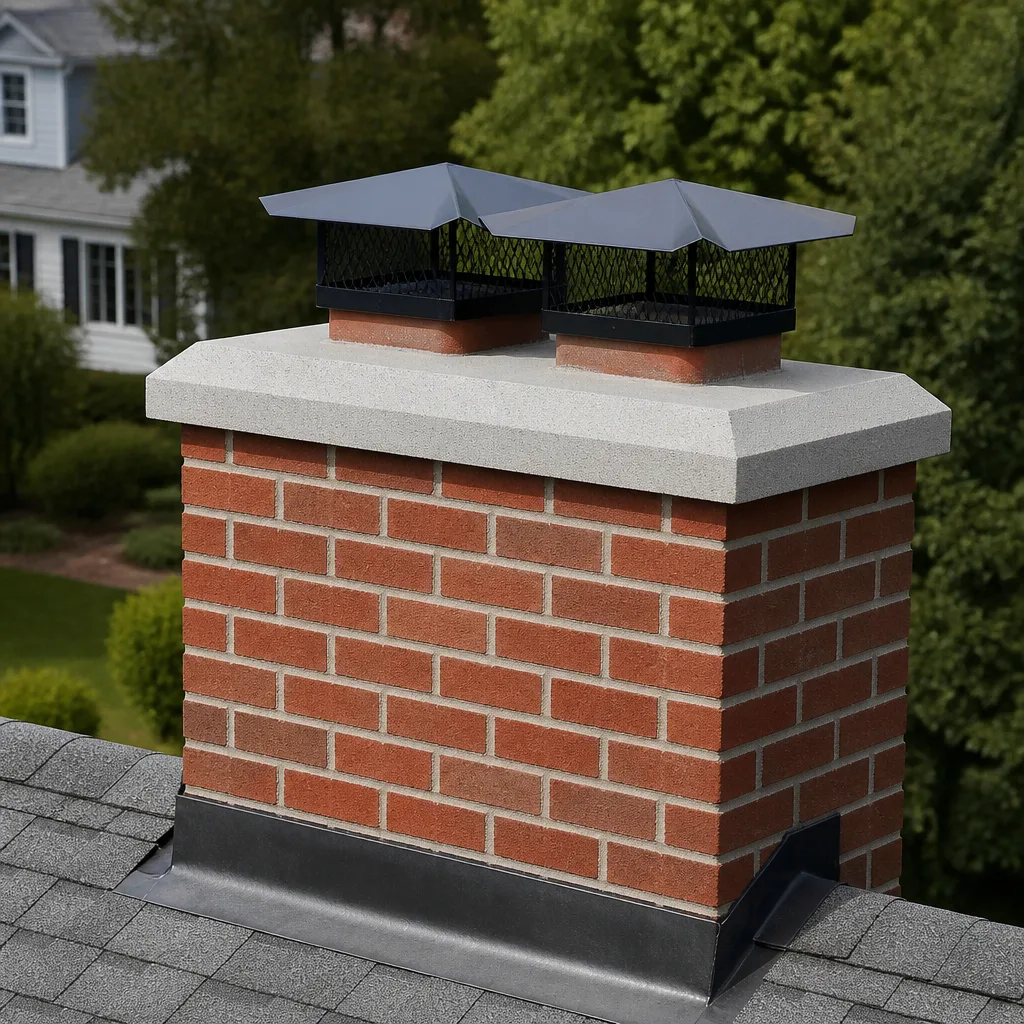 Caps & crowns
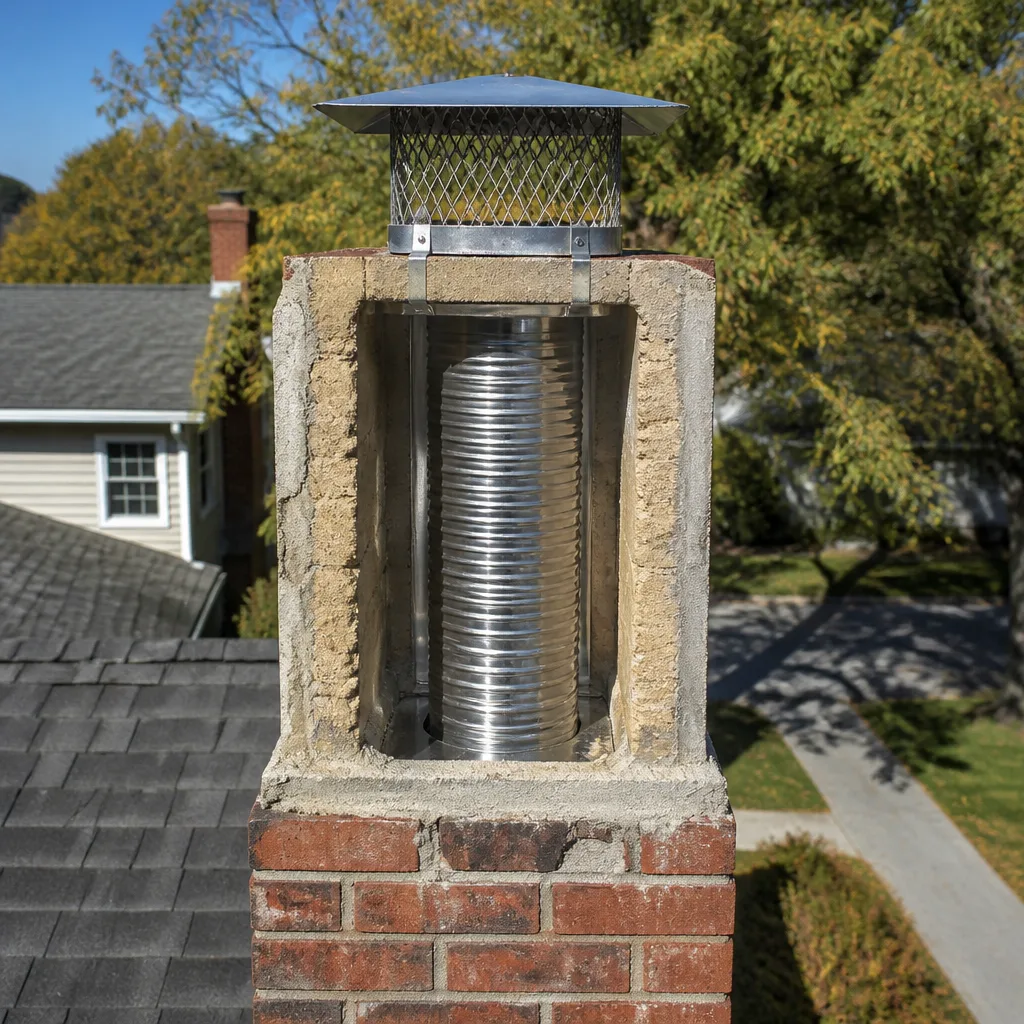 Flue relining
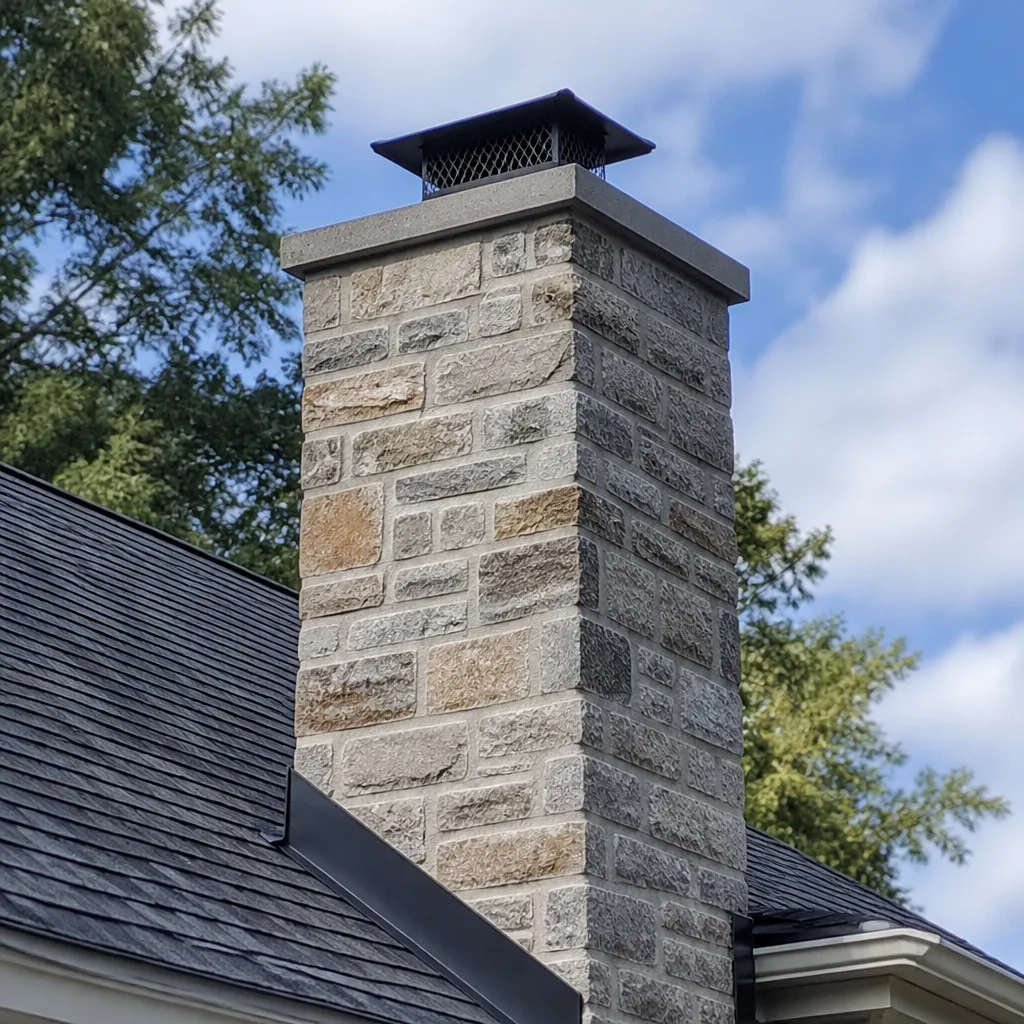 Masonry repair
 Gas fireplace service
Level 1 sweep and inspection to the NFPA 211 annual standard - flue, crown, cap, and flashing checked and photographed
Chimney sweep logs do not sweep chimneys. They loosen some creosote - which then falls where a brush and vacuum still have to collect it.
Chimney Sweep Maintenance Checklist for Durham Homeowners
Most chimney problems don’t announce themselves. A flue clogged with creosote looks identical to a clean one from the living room, and a cracked crown lets water in silently until the damage is expensive. The homeowners who avoid surprise repairs are rarely the ones who climbed onto the roof themselves. They’re the ones who knew exactly which checks are safe to handle and which ones belong to a professional with the right tools and training. That distinction is what this guide is built around. You’ll get a clear checklist for Durham homeowners: the visual checks you can do safely at the firebox, the timing that matches our weather, what to document, and where the line sits between routine maintenance and a repair that needs a specialist.
Quick Answer
A safe homeowner chimney checklist comes down to four things: look for smoke staining and creosote at the firebox, test that the damper opens and closes freely, check for white efflorescence on the brick, and keep a simple records log of every sweep. Everything beyond that, from a flue camera inspection to liner resurfacing, requires training and tooling. In Durham, schedule a professional sweep before each burning season and have the flue inspected whenever you notice staining, smell smoke indoors, or move into a home with a fireplace you haven’t used.
Styles & brands we work with
- Sweep & inspection
- Caps & crowns
- Flue relining
- Masonry repair
- Gas fireplace service
Table of Contents
- Homeowner-Safe Chimney Checks You Can Do Yourself
- What to Look For at the Firebox: Smoke Staining, Damper Function, Efflorescence
- Professional-Required Tasks and Why You Shouldn’t Attempt Them
- Durham Seasonal Timing: When to Book Around Our Weather Calendar
- What to Record and Keep Between Service Visits
- When Routine Maintenance Becomes a Repair or Relining Situation
- Dryer Vents: The Other Hidden Fire Hazard in Your Home
Homeowner-Safe Chimney Checks You Can Do Yourself
There are four checks that are genuinely safe for a homeowner to perform, and they all happen at floor level. None of them requires a ladder, a roof, or reaching into the flue. If a task involves anything above the firebox, a camera, or a brush, leave it alone and book a professional instead.
These are the checks we’re comfortable telling any Durham homeowner to do:
- Look up the flue from the fireplace opening. Shine a flashlight upward and look for heavy soot or a shiny, tar-like coating on the walls. Light soot is normal. Shiny creosote means it’s time for a sweep before the next fire.
- Open and close the damper. It should move smoothly with the handle. If it sticks, drops loose, or doesn’t fully close, note it and mention it at your next service. A damper that won’t seal lets heated air escape year round.
- Inspect the firebox brick and mortar joints. Hairline cracks in the firebrick are common. Gaps larger than a coin thickness in the mortar joints are worth flagging to a professional.
- Check the smoke chamber area for white staining. White, powdery deposits on brick near the opening point to moisture moving through the masonry. That’s a repair question, not a cleaning one.
Notice that every one of these is observational. You’re gathering information to pass along, not fixing anything. That’s the whole point of a homeowner checklist: you arrive at your service call informed, and the technician spends less time finding the problem and more time solving it. In our experience working with fireplaces across Durham, a homeowner who can describe what they’ve seen at the firebox saves time and gets a more accurate diagnosis on the first visit.
One more safe task is worth adding: keep the area around the hearth clear of paper, kindling, and furniture. It’s not a chimney check, but it’s the simplest fire-prevention step available to anyone.
What to Look For at the Firebox: Smoke Staining, Damper Function, Efflorescence
Three visual signals at the firebox tell you more about the health of a chimney than anything you can see from the roof. Learn what they mean and you’ll know long before a service visit whether your fireplace is behaving normally or sending a warning.
Smoke staining
Dark staining around the fireplace opening or on the surround means smoke has been escaping the firebox rather than going up the flue. Sometimes it’s a firewood issue: damp wood produces more smoke than the flue can carry. Sometimes it’s a partially closed damper or a flue sized for a different stove. Persistent staining that reappears after a sweep points to a draft problem a technician should diagnose. Don’t repaint over it and call it done.
Damper function
The damper is your fireplace’s throttle. It should open fully, close fully, and move without much force. If it takes two hands or makes a grinding sound, something in the assembly has worn or rusted. A damper stuck open lets outdoor air pour into the living space through the flue, which is uncomfortable in summer and wasteful in winter. A damper stuck closed causes smoke to back into the room the moment you light a fire. Either way, flag it for a technician rather than forcing the mechanism.
Efflorescence on brick
Efflorescence is the powdery white crust that appears when moisture passes through masonry and leaves mineral salts behind as it evaporates. On a chimney, it means water is getting in somewhere above: a cracked crown, failed flashing, or mortar that’s lost its seal. The chimney cap and crown are the first line of defense, and in Durham’s humid summers and wet winters, moisture intrusion is one of the most common repair calls we get. Efflorescence alone isn’t urgent, but it’s a reason to book an inspection rather than wait. Left long enough, water damage spreads into the surrounding structure.
If you can point to staining, describe how the damper behaves, and say whether you’ve seen white deposits, you’ve given a technician a professional starting point. From there, a camera inspection confirms exactly what’s going on inside the flue. Our chimney sweep service includes that evidence, so you can see what we see.
Professional-Required Tasks and Why You Shouldn’t Attempt Them
Here’s where the checklist gets a hard line. A dozen tasks on a typical chimney maintenance list look like weekend projects. They aren’t. Each one carries a specific reason it requires training and tooling, and that reason is why a real chimney specialist exists.
- Roof-level inspections. A chimney is a structural element you can’t safely evaluate from the ground. Height, pitch, and the condition of the crown all need a professional on a proper setup.
- Flue sweeping with the right brushes. Flue brushes come in sizes matched to flue geometry. The wrong brush on a flue liner scratches it. A scratched liner collects creosote faster and is harder to clean next time.
- Camera inspections of the flue interior. A video sweep of the full flue reveals cracks, gaps, offset tiles, and liner failures a flashlight can’t reach. This is how repairs get diagnosed honestly.
- Crown and flashing repair. Both are moisture-control work, and both require masonry repair skills to last.
- Liner resurfacing or replacement. Resurfacing a deteriorating flue (we use the HeatShield system for this) is restoration work with exact application standards. A flexible relining system from DuraFlex is also a job for trained hands.
- Chimney cap installation. A correctly fitted cap is one of the best defenses against water and wildlife. It also has to allow the right airflow, which is a calculation, not a guess.
- Firebox and smoke chamber repair. The firebox and smoke chamber are fire-rated parts of the system. Any repair here should be done to a fire-safety standard, not patched with materials from a hardware store.
- Gas or oil appliance venting checks. Venting for gas or oil appliances carries a carbon monoxide risk. A professional must verify it.
And then there’s the category that carries real danger: anything involving high places, ladders, and roofs. Falls from height are a serious risk, and the injury math is unforgiving. There is no chimney maintenance step worth a fall. A trained and insured professional carries the equipment and the coverage for exactly this reason. That’s not a sales line; it’s the honest reason this part of the checklist is off-limits to homeowners.
The good news is that hiring this work out is cheaper than the alternative. A repair done wrong the first time means paying twice, and in the case of a liner, the second job is bigger.
Durham Seasonal Timing: When to Book Around Our Weather Calendar
National chimney advice tends to assume a northern winter. Durham’s calendar looks different, and the timing of your service should match the weather you actually get. The two seasons that matter for a chimney are firing season and the wet season. Everything else is secondary.
Firing season here is short compared to the Northeast, but it’s still real. The first cool nights in late fall send most people looking for the fireplace. That’s exactly when you don’t want to be in a service backlog, and exactly when you don’t want to discover a blockage with a fire already lit. Book a sweep in late summer, ideally in August or September, before the season starts. It puts you ahead of the autumn rush and gives a technician time to recommend any repair well before the first cold night.
Then there’s the wet season. Durham’s humid summers and winter rain put real pressure on the top of the chimney: the crown, flashing, and mortar all take water. A chimney exposed to repeated wet conditions without a well-sealed crown and a fitted cap develops problems faster than one that’s protected. An inspection after winter is a good habit here, since it catches the strain from the wet months before it spreads. This is also the season when efflorescence shows up, so if you spotted white staining over the winter, act on it before summer.
What about spring and summer fireplace use? Some Durham homes use gas inserts year-round, and those still need venting checks. The national advice to inspect “once a year, before winter” holds roughly true, but it doesn’t capture what our local climate adds: a moisture problem and a creosote problem are two different jobs, and they peak in different seasons. Split your attention accordingly.
A simple seasonal rhythm to follow:
- Late summer: professional sweep and inspection before the first cold night.
- Late winter or early spring: visual once-over for water damage, efflorescence, and crown condition after the wet months.
- Any time you notice something on the homeowner checklist: book a look, don’t wait for the season.
What to Record and Keep Between Service Visits
A chimney log is one of the simplest things a homeowner can maintain and one of the most useful. It takes a minute per visit. It pays off in two situations that catch people unprepared: an insurance claim and a home sale. A records trail showing regular sweeps and documented repairs can profoundly simplify both.
Keep it simple. A folder or a note on your phone, one entry per service visit, containing:
- The date of each sweep or inspection.
- Who performed the work, with company name and contact info.
- What was found: creosote level, any cracks, the condition of the crown and cap.
- What was recommended, and what was deferred (some repairs can safely wait; note them so you don’t lose the list).
- Photos or the camera inspection report from the service. Keep the digital copy.
- The date and description of any repair, plus warranty terms if you received them.
Why does this matter? When you sell a home, buyers and their inspectors ask about the chimney. A documented history answers those questions cleanly. When you file an insurance claim related to a fire or water loss, a maintenance record shows that the system was cared for. And practically, it prevents repeat work: the next technician knows what was repaired and when. In our experience with Durham’s older homes, a homeowner with a records log gets a faster, more accurate diagnosis than one starting from scratch. It’s also the kind of habit that separates a proactive homeowner from a reactive one.
If you’ve just bought a home with a fireplace you haven’t used, start the log with a baseline inspection. It’s the single most useful document you can add to the folder.
When Routine Maintenance Becomes a Repair or Relining Situation
Most chimney service is routine cleaning, and routine cleaning keeps a chimney healthy. But there’s a point where “maintenance” stops and “repair” begins, and knowing the signs means you can act before a small issue becomes an expensive one. Here’s how to tell the difference.
A maintenance situation looks like this: a normal amount of soot and creosote, a flue that’s sound, a damper that works, and a crown and cap in good condition. That’s a sweep and you’re done for the season.
A repair situation looks different. Look for any of these signals:
- Rebuilding required at the crown or flashing. The crown is the concrete top of the chimney; when it cracks or separates, water follows it indoors. This is a repair, not a cleaning.
- Interior flue damage. Cracked, spalling, or offset flue tiles show up on a camera inspection. Left alone, cracks let heat and gases reach the surrounding structure.
- A deteriorated or unlined flue. Older Durham homes sometimes have flues with no liner, or a liner that’s broken down. This is when relining comes into play, either through resurfacing or a flexible liner system.
- Chimney cap missing or failing. A missing cap invites water and animals. The cap itself isn’t a hard repair, but the damage it prevents is.
- Smoke escaping into the home. If the fireplace smokes consistently after a sweep, the cause could be a draft problem, a flue sized wrong, or an obstruction. That’s diagnosis territory.
When you reach a true repair or relining stage, the work itself is a different kind of job. A flexible liner system, resurfacing with a proven product, or rebuilding a crown are all jobs for a dedicated chimney specialist rather than a general contractor. We’re a full-service chimney company for exactly this reason: we can sweep, diagnose, and repair in one relationship. That means a camera inspection that reveals a cracked liner is a call about the repair, not a referral to a second company. It’s why we stock and work with brands like HeatShield for resurfacing and DuraFlex for flexible relining, alongside Olympia Chimney. The point of these brand choices is simple: the right material, chosen for the job, so the repair lasts.
What Actually Happens If You Skip It
The answer is less dramatic than people fear and more serious than people think. Skipping a sweep doesn’t guarantee a chimney fire, but it does mean two real risks grow every time you use the fireplace: creosote buildup and an unexamined flue. Creosote is the natural byproduct of any wood fire, and it’s highly flammable. Over time it accumulates inside the flue. When it ignites, it’s a chimney fire, which can spread to the surrounding structure. And that’s only half the risk. A flue obstruction can also cause carbon monoxide, an invisible and odorless gas, to back up into the living space. That risk is why carbon-monoxide prevention is at the heart of what a chimney and venting specialist does. A regular sweep is the simplest way to keep both risks down, and an inspection catches the problems a sweep can’t see. Book your next visit through Durham Chimney Sweep, and you’ll get both.
Dryer Vents: The Other Hidden Fire Hazard in Your Home
Your chimney and your dryer vent share one job: safely moving heat and combustion byproducts out of your home. A clogged dryer vent is a recognized fire hazard for the same reason a clogged flue is: lint is highly flammable, and heat builds up when the exhaust can’t get out. Clogged vents also make your dryer work harder and run longer. It’s an easy item to overlook, since much of the hazard sits behind the wall. Professional dryer vent cleaning clears the full run and checks the venting setup. Because we’re a dedicated chimney and venting company, dryer vent cleaning is part of our core scope, not an afterthought tacked onto a general handyman’s list. It’s the same safety-first logic applied to a second part of your home. If you’re booking a chimney sweep for the season, it’s worth adding the dryer vent run to the same visit.
Common Mistakes to Avoid
- Burning wet or unseasoned wood. Damp wood produces more creosote and more smoke. Seasoned hardwood burns cleaner and leaves less buildup. If you can’t tell, ask your supplier.
- Repainting over smoke staining without diagnosing the cause. Stain removal at the firebox is cosmetic. If the staining returns after a sweep, the underlying draft problem is still there.
- Assuming a modern or gas insert doesn’t need service. Gas inserts still vent, and venting carries a carbon-monoxide risk. A regular venting check is part of ownership.
- Treating the annual sweep as optional. In Durham’s short but real firing season, a season without a sweep means creosote accumulates unseen. The inspection that comes with the sweep is what catches it.
- Patching a cracked flue with a hardware-store product. Any firebox or flue repair should be done to a fire-safety standard with the right material. A patch that fails is worse than no patch at all.
- Ignoring the dryer vent because “the dryer still works.” Lint buildup is a fire hazard before it reaches the point where the dryer stops drying. Add the vent to your annual list.
- Skipping roof-level work to save a call. Falling from a roof is a serious risk, and no maintenance saving justifies it. Leave the roof-level checks to a trained professional.
- Not keeping records. A homeowner who can show a sweep history handles a home sale or an insurance claim far more smoothly than one who starts from scratch.
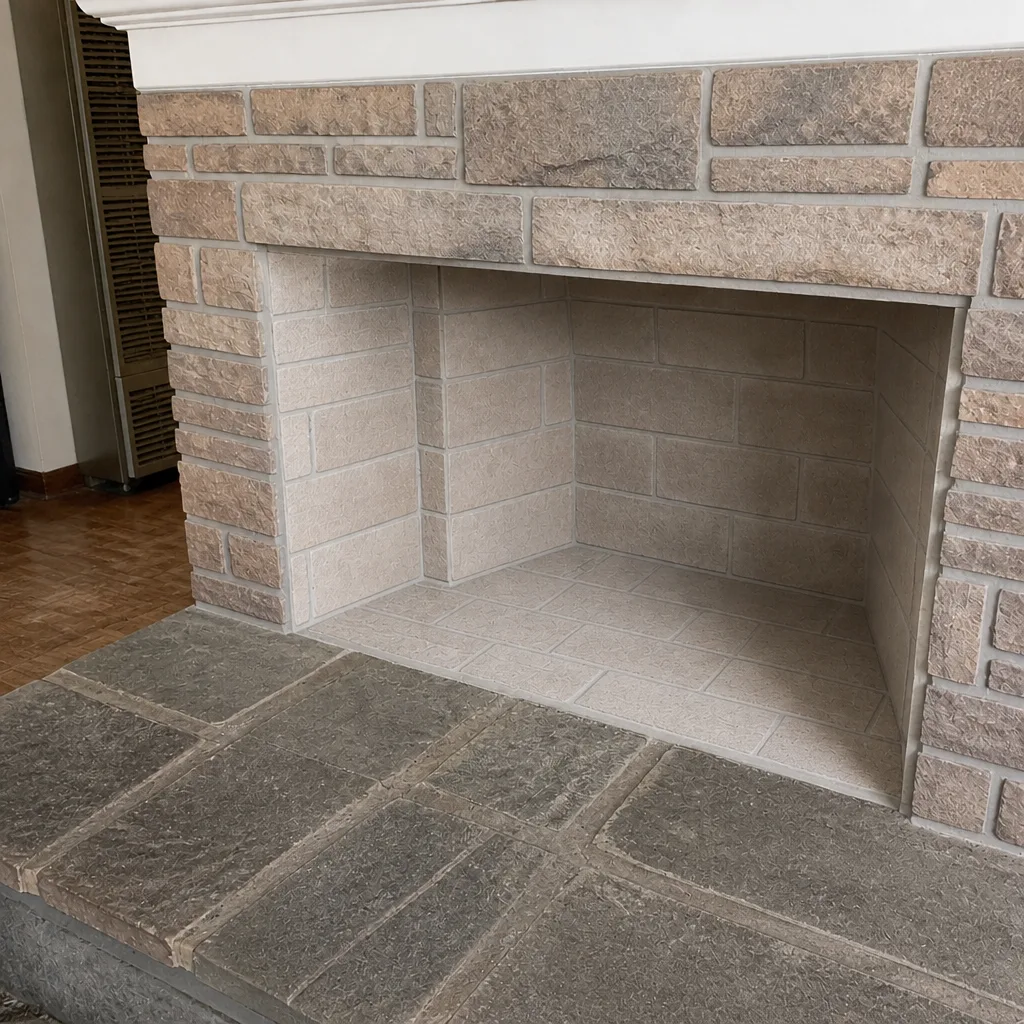
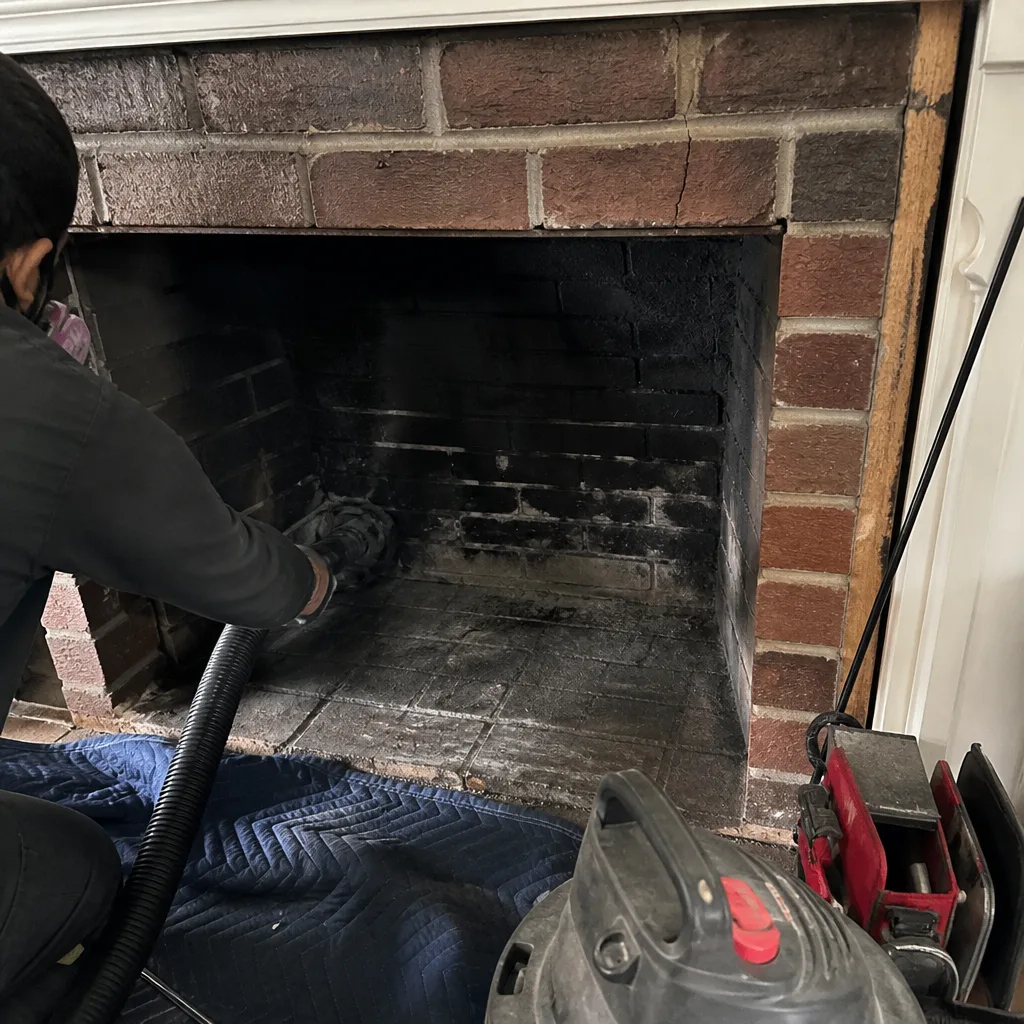
See the difference
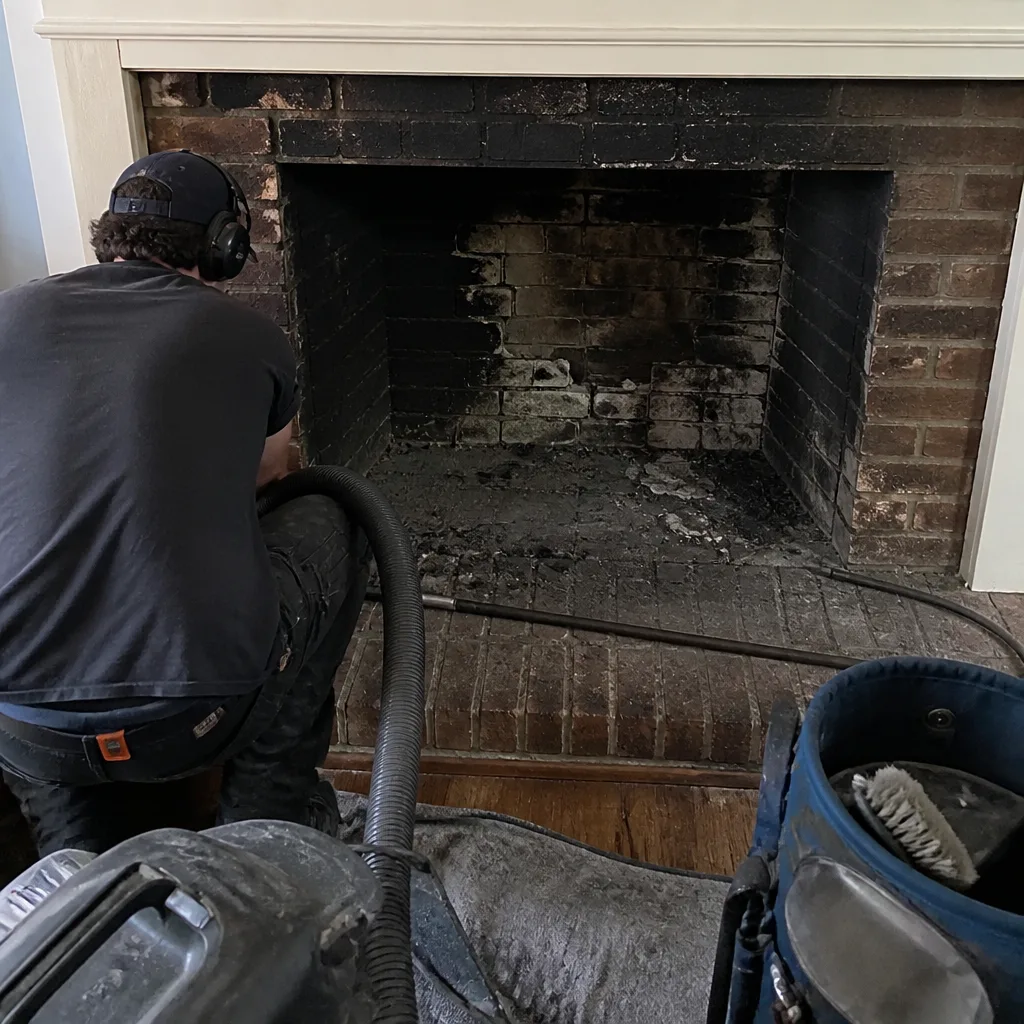 Before
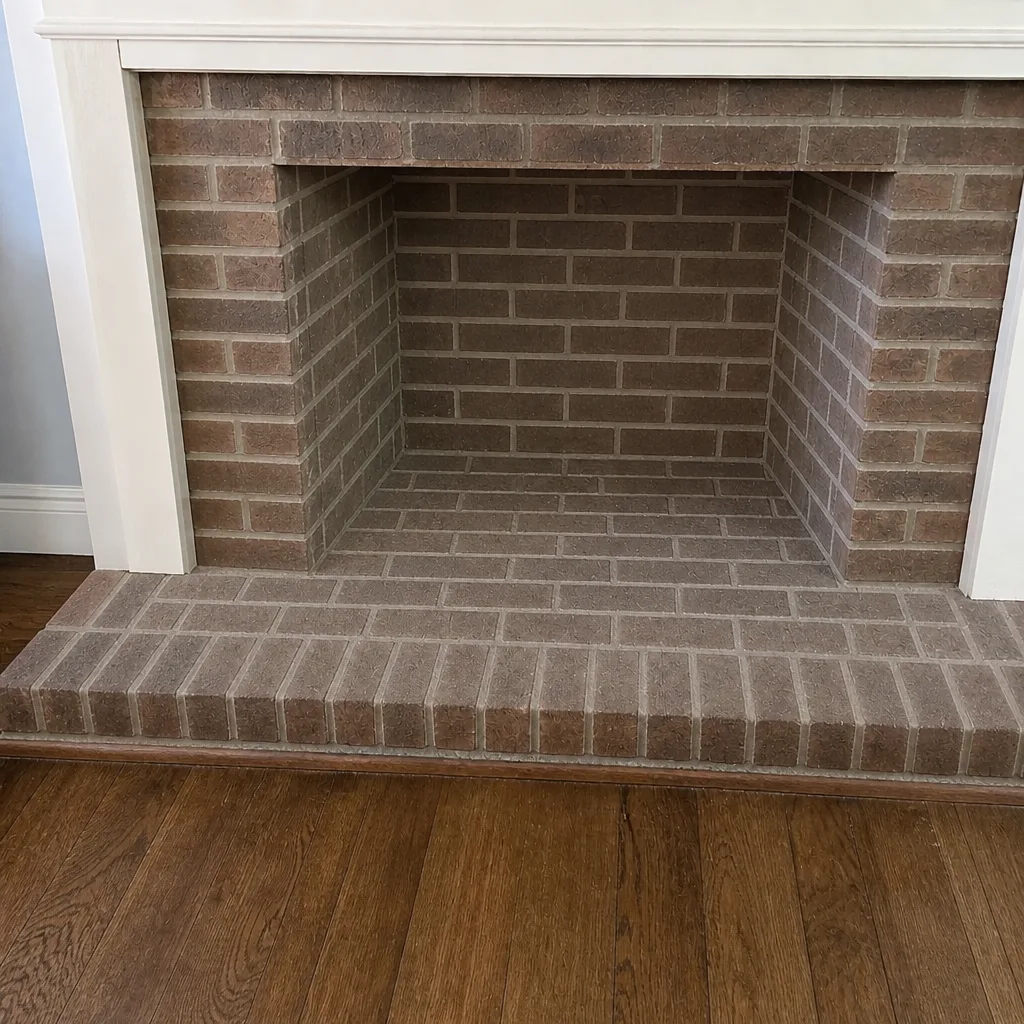 After
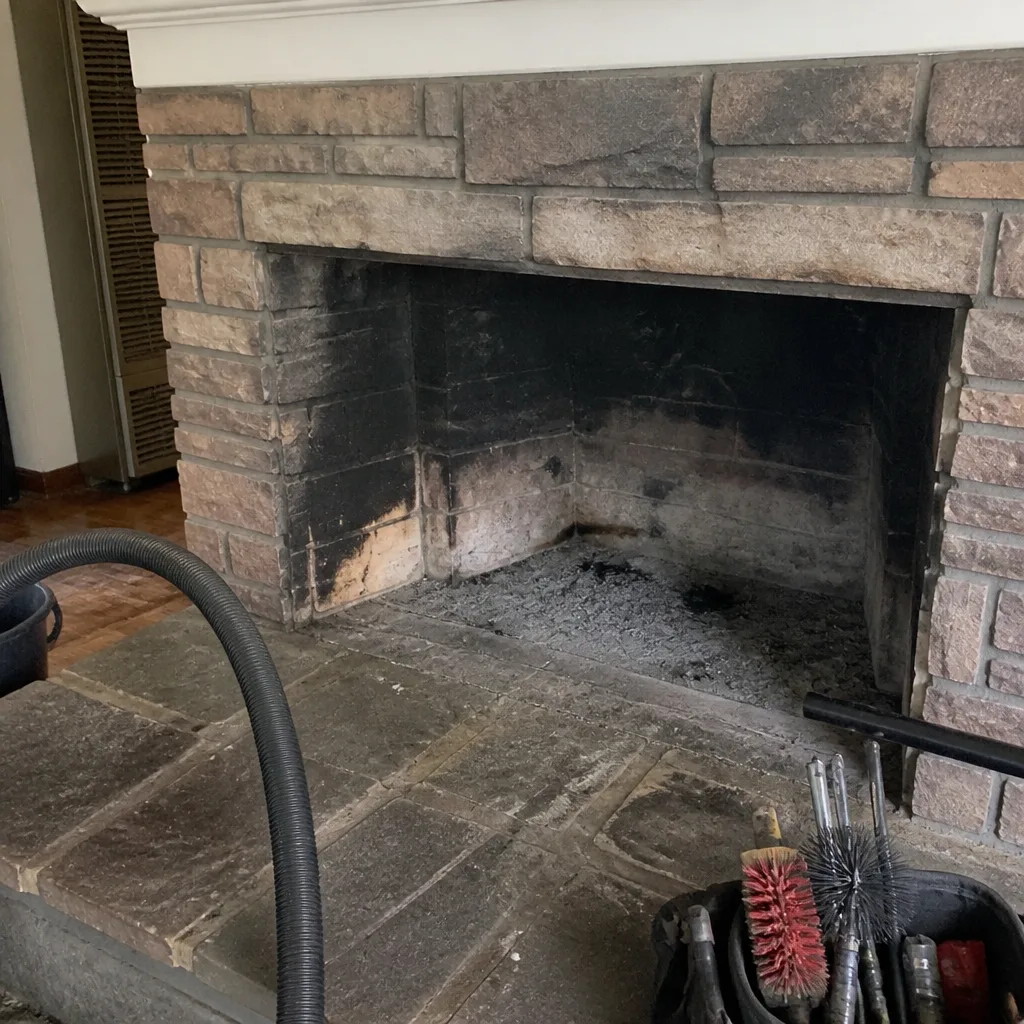 Before
 After
 Before
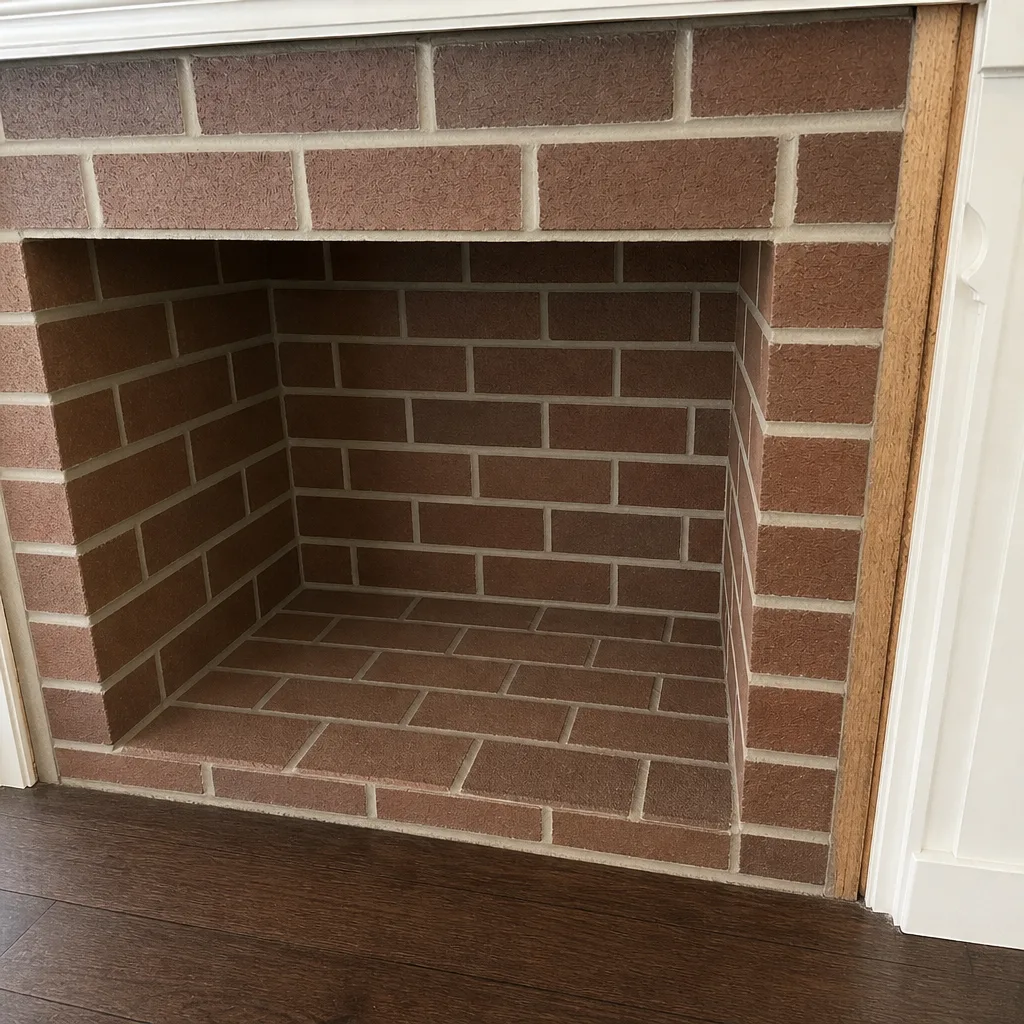 After
When to Call a Professional
Call a professional when you notice any homeowner-checklist signal that persists: smoke staining that returns after a sweep, a damper that won’t move cleanly, white efflorescence on brick, or cracking in the firebox or crown. Call when you move into a home with a fireplace you haven’t used. Call when your last sweep was more than a year ago, or when a camera inspection is overdue. And call whenever a task crosses from the firebox to the flue: a camera inspection confirms what’s inside, and that evidence is the only honest basis for recommending work. Start by calling (866) 389-3509 for a free estimate. We’d rather tell you it can wait than sell you a repair you don’t need. If you’re nearby, more about our Durham service goes into detail.
Frequently Asked Questions
Most chimney sweeps are priced per job, set by a written estimate after we’ve had a look at the chimney. That’s the honest way to quote, because a straightforward flue and a creosote-heavy flue aren’t the same job. The estimate is free, and the written number is the price. Call (866) 389-3509 for your free estimate.
Once a year is the standard for a fireplace in regular use, and it’s the right default for most Durham homes. A home that burns a lot or burns wet wood may need it sooner. If you’ve skipped a year, book a sweep and an inspection together so the flue gets checked as well as cleaned. Call (866) 389-3509 to get booked in.
You can safely do four things at floor level: look up the flue with a flashlight, test the damper, check the firebox brick, and watch for efflorescence. Everything above the firebox, including the roof, the crown, and the flue interior, needs a trained professional. Know where the line is and you stay safe while still being proactive. Call (866) 389-3509 if you’re not sure which category a task falls into.
Cracked or offset flue tiles, a flue with no liner at all, and ongoing draft problems are the classic signs. The only reliable way to know is a camera inspection of the flue interior. We can show you the footage, and if the liner can be resurfaced rather than replaced, that’s often the better option. Call (866) 389-3509 to book the inspection.
Yes, especially in older home stock where previous owners may not have swept regularly. A baseline inspection tells you what you’re taking on and gives you a records starting point. It’s the most useful pre-move check a home buyer can do. Call (866) 389-3509 for a free estimate.
Camera evidence is how you know. Nothing should be recommended as urgent without it, and you should get to see the footage. Some crown and cap repairs can safely wait a season; cracked liners and venting problems usually can’t. We tell you which is which. Call (866) 389-3509 and let us look.
The Bottom Line
The checklist only works if it draws a clear line. That line is floor level. Check the firebox for staining, test the damper, look for efflorescence, and write it all down. Then hand the roof, the flue interior, and any repair work to a trained specialist. Book the sweep before firing season, inspect after the wet months, and keep a records log that pays off during a home sale or an insurance claim. A homeowner who does those four safe checks and books the professional work is a hundred times better prepared than one who tried to do everything themselves. We firmly believe that, and we’ve seen it hold up.
Contact
Ready to book a sweep or a baseline inspection? Call (866) 389-3509 for a free estimate. We answer 24/7. Fast dispatch from 7am to 7pm, Sunday through Friday. We’re closed Saturday if you call and we’ll book you for Sunday. You’ll get a camera inspection and a photo report, with a satisfaction guarantee, and a clear recommendation you can see for yourself before you commit to anything.
Written by the team at Durham Chimney Sweep, serving Durham since 2015.