
Last updated November 14, 2026
 Sweep & inspection
 Caps & crowns
 Flue relining
 Masonry repair
 Gas fireplace service
Level 1 sweep and inspection to the NFPA 211 annual standard - flue, crown, cap, and flashing checked and photographed
Chimney sweep logs do not sweep chimneys. They loosen some creosote - which then falls where a brush and vacuum still have to collect it.
Chimney Cleaning Warning Signs: A Durham Homeowner’s Reference Guide
Most chimney problems don’t announce themselves with a dramatic crack or a room full of smoke. They start small: a faint smell in August, a gray streak on the brick, a damper that grinds instead of gliding. The trouble is that “unusual smells” and “draft issues” get thrown around so loosely that a homeowner can’t tell whether they’re looking at a routine cleaning or a liner that’s ready to fail. This guide breaks down each warning sign by what it actually points to, so you can describe it precisely, know what range of outcomes you may be facing, and understand when to stop using the fireplace in your Durham home altogether.
Quick Answer
The main chimney cleaning warning signs are smoke rolling back into the room, a strong creosote or smoky smell when the fireplace is idle, black or white staining on the exterior brick, flaking or crumbling mortar, a corroded or stiff damper, and animal sounds or debris in the flue. Some of these mean book a sweep before your next fire; others mean stop burning now and get an inspection. Telling the two apart comes down to whether the problem is on the surface of the chimney or inside the flue itself.
Styles & brands we work with
- Sweep & inspection
- Caps & crowns
- Flue relining
- Masonry repair
- Gas fireplace service
Table of Contents
- What Each Warning Sign Actually Points To
- Cosmetic Versus Safety-Critical: How to Tell Without a Ladder
- Signs You Can Keep Using the Fireplace Until Your Appointment
- Signs That Mean Stop Burning Immediately
- How Durham’s Oak and Pine Burning Habits Change the Warnings
- What to Tell the Dispatcher When You Call
- The Other Vent in Your Home: Dryer Warning Signs
- Cleaning, Repair, or Relining: What the Signs Usually Mean for Cost
What Each Warning Sign Actually Points To
Each warning sign narrows the likely cause. Here’s how we read them, and what each one usually means for a Durham homeowner deciding whether to call.
- Smoke rolling back into the room. A little puff when you first light a fire is normal. Consistent rollback, where smoke drifts out of the firebox instead of up the flue, points to a blockage, a flue that’s too cold to establish draft, or a chimney that’s undersized for the opening. In older homes it can also mean a flue that was relined for a gas appliance and no longer suits a wood fire.
- A smoky or creosote smell when the fireplace is idle. This is the sign most people dismiss. If you smell smoke in July, creosote deposits or moisture are active enough to off-gas through the masonry into your living space. It’s a cleaning-and-inspection call, not a candle.
- Black or white staining on the exterior. Black staining near the top of the chimney usually means the flue is venting poorly or the crown is failing. White, chalky staining (efflorescence) points to moisture moving through the masonry.
- Spalling or flaking brick. When the face of a brick pops off in flakes or shards, moisture is getting in and freezing behind it. Once brick face is lost, the brick is structurally weaker and the chimney is absorbing more water, not less.
- A corroded or stiff damper. A damper that grinds, sticks open, or has visible rust is usually a moisture problem plus age. A damper that won’t close fully is a heat-loss and smoke problem; one that won’t open is a safety problem.
- Animal sounds or nesting debris. Scratching, flapping, or a sudden draft that pulls the wrong way often means a bird, squirrel, or raccoon has moved in. Nesting material is combustible and blocks the flue.
If any of these sound familiar, a professional chimney sweep can confirm the cause with a camera inspection rather than guesswork.
Cosmetic Versus Safety-Critical: How to Tell Without a Ladder
You don’t need to climb anything to make a first judgment. The distinction that matters is whether a warning sign sits on the outside surface of the chimney or inside the flue where combustion byproducts travel.
Cosmetic signs are surface-level and usually slow-moving. A few rust spots on the firebox door, minor discoloration on the hearth, or a slightly smoky smell after a long winter of burning are the kinds of things that belong in the “get it looked at soon” column, not the emergency column. They rarely indicate an immediate hazard on their own.
Safety-critical signs involve the flue itself or the path combustion gases take out of your home. Smoke that won’t go up the chimney, a smell that’s present even when you haven’t burned anything, visible moisture inside the firebox, or a flue you can hear animals moving in all sit in this category. These are the signs that can connect to carbon monoxide, chimney fire risk, or structural failure, and they deserve a call rather than a wait.
Here’s a simple way to sort them:
- Look at where the sign is. Surface of the firebox and hearth: usually lower priority. Top of the chimney, inside the flue, or along the whole exterior: higher priority.
- Notice whether the sign appears only when burning. If it disappears when the fire’s out, it’s often a draft or cleaning matter. If it’s still there weeks later, it’s moisture or deposit.
- Check for a smell when the fireplace is cold. A cold fireplace that smells like smoke is telling you deposits or moisture are active.
- Listen and look for water. Damp patches, water stains on the firebox walls, or a flue that stays wet after rain all point to the crown or flashing.
None of these tests replaces an inspection. But they let you walk into the phone call with a real description, and that changes how quickly a company can help you.
Signs You Can Keep Using the Fireplace Until Your Appointment
Not every warning sign means put the matches away. Some are genuinely safe to leave alone until your next scheduled sweep, provided you don’t let the list grow.
- A light smoky smell after a season of regular burning. This is a fairly normal creosote buildup signal in a home that sees a lot of fires. Book a cleaning before the next burning season, not before the next fire.
- A small amount of soot around the firebox door. Minor soot is a cosmetic cleanup issue and usually a sign of a fire that isn’t drafting cleanly. Worth mentioning, not an emergency.
- Faint exterior discoloration that hasn’t spread. If it hasn’t changed in months, it’s likely cosmetic staining. If it grows or greets you wet after rain, that’s the shift from cosmetic to structural.
- A slightly stiff damper. If it still opens fully and closes fully, it’s age rather than failure. Keep it on the list for your inspection.
The rule we suggest for Durham homeowners: if the sign is visible from the ground and hasn’t changed since you last looked, it can wait for an appointment. If the sign is inside the firebox, or if it changes from week to week, it shouldn’t.
Signs That Mean Stop Burning Immediately
Some warning signs are non-negotiable. If you see any of these, stop using the fireplace or wood stove and get an inspection before you burn again. We don’t say this to be dramatic. Your chimney is the one system in your home that, if neglected, can burn it down, and these are the signs that point at that risk.
- Smoke rolling back into the living space on every fire. This means combustion gases aren’t leaving the home. That’s a carbon monoxide exposure path, not a nuisance.
- A persistent smell of smoke when nothing is burning. Active off-gassing means deposits or moisture are moving through the masonry, and it needs a professional look before your next fire.
- Visible cracking in the firebox or flue. Cracks in the firebox liner or the flue lining are gaps where heat can reach framing. Stop burning.
- Sounds of animals or debris falling. A blocked or obstructed flue can push gases back into the house, and nesting material is combustible.
- A damper that won’t open, or a flue you can’t see through. If you can’t establish a clear path for smoke up and out, don’t light a fire.
- Signs of an actual chimney fire (loud roaring, a rapid crackling, or a sudden woosh). If a chimney fire is happening, call 911 first, then plan a professional inspection before any further use.
When we arrive after a stop-burning call, the job is usually a camera inspection plus whatever the inspection shows: cleaning, a Durham inspection report, or repair work. We tell you plainly what we find so you can confirm it on the camera feed.
How Durham’s Oak and Pine Burning Habits Change the Warnings
Fuel choice shifts the kind of creosote you get, and that changes which warning signs show up first. In Durham homes where hardwood oak is the primary fuel, fires tend to be long and slow, and the deposits they leave are harder, glassier, and less likely to show up as a strong smell early. They show up in a flue cleaning as a genuinely hard job to remove, and in a bad case as a flue that’s narrowed enough to draft poorly.
Pine and other softwoods burn faster and leave a softer, more flaky creosote that tends to build up quickly. In the older, established neighborhoods around Durham where pine is easy to come by, we see more frequent buildup and more smell-based warning signs than in homes burning oak only. It’s not that one fuel is dangerous and the other isn’t: both produce creosote, and both deserve the same inspection rhythm. The difference is what the warning sign looks like and how soon it shows up.
Three practical points for Durham homeowners:
- Don’t judge a fuel as “safe” by what it leaves behind. Soft creosote looks harmless and burns dangerously; hard creosote hides in the flue and gets ignored.
- Mix fuels with care. A hardwood base fire with a little softwood on top is normal. A fire that’s all pine burns hot and fast and glazes creosote into the liner.
- Wet wood is the worst fuel of all. Seasoned wood produces far less creosote than green wood, and unseasoned wood is a common reason a winter’s worth of deposits turns a routine cleaning into an inspection.
When we sweep, we use professional-grade materials from brands chimney specialists trust, including Copperfield brushes and Famco hand tools, because the deposits Durham fuel leaves behind need more than a generalist’s equipment to clear completely.
What to Tell the Dispatcher When You Call
You’ll get more accurate help over the phone if you lead with what you actually see. The dispatcher’s job is to route your call correctly and prepare the technician, and these details do that fastest.
- Where the sign is. “Smoke comes out of the firebox, not the top of the chimney” tells us draft. “Gray staining near the top of the chimney” tells us crown or flashing. “The smell is in the living room even with no fire” tells us deposits or moisture.
- When it happens. Only on lighting, on every fire, or all the time? The answer narrows the cause faster than anything else.
- What you’ve been burning. Oak, pine, or a mix, and whether it was seasoned. This guides what the technician brings and how long to book.
- Whether it’s a first call on a newly purchased home. A baseline inspection on a home you just bought is a different appointment than a cleaning on a fireplace you use every winter. Both are worth doing.
- Whether the fireplace is wood, gas, or a wood stove. Each has different warning signs and different liners.
- Whether anything else is going on. A dryer that’s slow, a damper that sticks, or a chimney you can hear animals in: mention it. We can often combine the visit.
The best call gives us two things: what you see and how often you see it. If you’ve stopped burning already, say so. If you’re still burning and want to know whether to keep going, say that too. You can reach us at (866) 389-3509. We answer 24/7. Fast dispatch from 7am to 7pm, Sunday through Friday.
The Other Vent in Your Home: Dryer Warning Signs
Dryer vents and chimneys share one job: safely moving heat and combustion byproducts out of your home. That’s why the warning signs overlap more than most homeowners expect, and why it’s worth knowing the dryer side of the list too.
- Clothes taking longer than usual to dry. This is the most common early warning sign of a clogged dryer vent, and the easiest to underestimate.
- The dryer getting hot to the touch on top or at the back. Heat that stays in the appliance is heat that isn’t leaving the house.
- A burning or musty smell from the dryer or the vent outlet. This is the sign that means stop using the dryer and get the vent checked.
- Lint accumulating behind the dryer or around the outside vent. Lint is combustible, and buildup means the duct isn’t clearing.
- A flapper on the exterior vent that stays open or stays stuck shut. Both point at obstruction.
We include dryer vent cleaning in our service scope because a clogged dryer vent is a fire hazard recognized by the National Fire Protection Association, and a chimney-only company ignores it. It’s the same safety logic as the fireplace: heat and byproducts need a clear path out. That’s part of why we’ve been doing both in Durham since 2015.
Cleaning, Repair, or Relining: What the Signs Usually Mean for Cost
Most homeowners want the honest range before they call. Here’s a plain-language guide to typical outcomes, with the understanding that every job’s final price comes from the written estimate after we’ve seen the flue.
| What the warning signs look like | Typical outcome | Rough range to expect |
|---|---|---|
| Smoky smell after a season of burning, soot around the firebox, no visible damage | Standard sweep plus camera inspection | Professional sweep range |
| Exterior staining, spalling brick, crown cracks | Crown and masonry repair, often paired with a sweep | Repair-level range |
| Damper corrosion, minor firebox deterioration | Damper repair and firebox resurfacing | Repair-level range |
| Cracked or deteriorated flue liner | Relining with a flexible liner system | Relining range |
| Older home with a clay-tile flue and thinning fireside surface | Flue restoration with the HeatShield resurfacing system | Restoration range |
| Slow dryer, hot appliance, musty smell from the vent | Dryer vent cleaning | Cleaning range |
The parts of this that homeowners ask about most are relining and restoration. A DuraFlex flexible liner system is what we install when the existing flue has deteriorated to the point that it can’t safely contain combustion gases. HeatShield is a liner resurfacing system that restores certain older flues from the inside, which is often a fit for homes of a certain age. We carry both because they solve different problems, and choosing one without the other would leave a whole category of Durham homes unserved.
What we don’t do is recommend repair or relining without camera evidence you can see for yourself. If the flue is fine and the job is a cleaning, we say so. If the job can safely wait a season, we say that too.
Common Mistakes to Avoid
- Treating a smoky smell as seasonal air. In Durham, a smoke smell when nothing’s been burning is a real sign of active deposits or moisture. Ignoring it lets the damage keep working through the masonry.
- Burning pine as a “quick starter” all winter. A fire that’s mostly softwood glazes creosote into the liner faster than a hardwood fire. Mix fuels sparingly, and season everything you burn.
- Skipping a sweep because you only burned a few fires. Short, hot fires can leave glazed deposits that don’t look like buildup from the firebox. The absence of visible soot doesn’t mean the flue is clean.
- Ignoring the dryer because the fireplace got the attention. A clogged dryer vent is its own fire hazard, and its warning signs (slow drying, heat buildup, lint behind the appliance) are easy to miss until they’re not.
- Calling a generalist handyman for a chimney issue. A generalist’s tools and training aren’t built for flue work. A dedicated chimney and venting company will have the camera equipment, the liner brands, and the repair capability in one place, so you don’t need a second call.
- Waiting until the weather turns. Sign the inspection before fall moves in. Booking ahead gets you a better look at the exact cause and saves you from the seasonal crunch.
- Assuming a new home doesn’t need a baseline. A home you’ve just bought may have a fireplace or dryer that has never been professionally inspected. A first-visit baseline is worth the call.
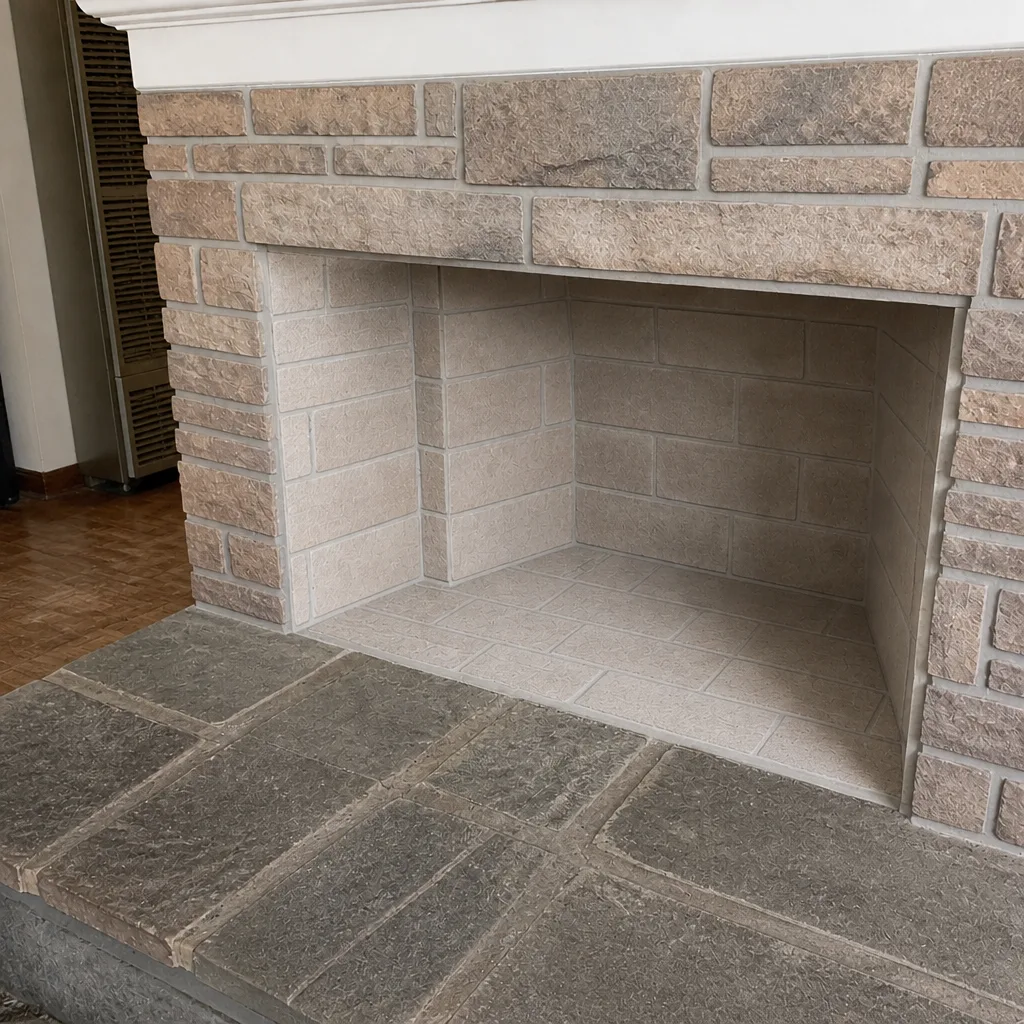
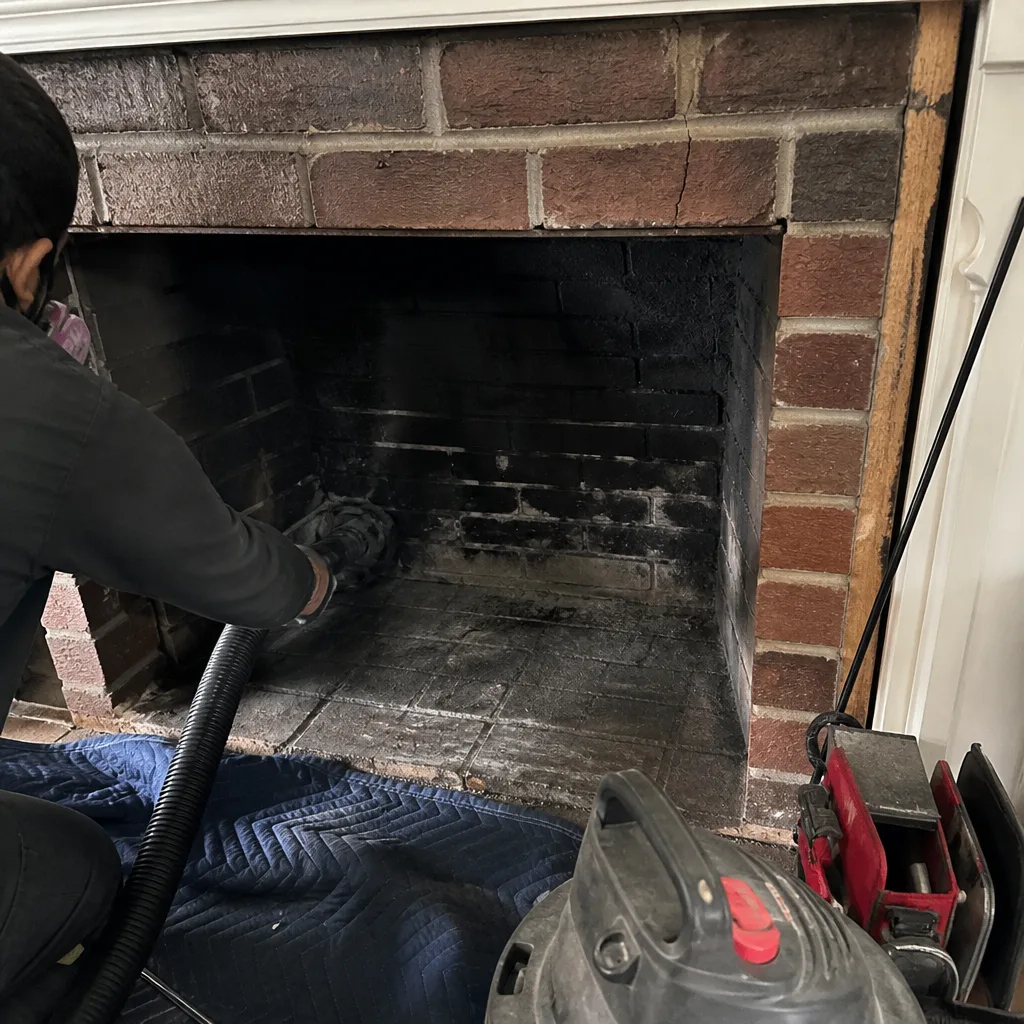
See the difference
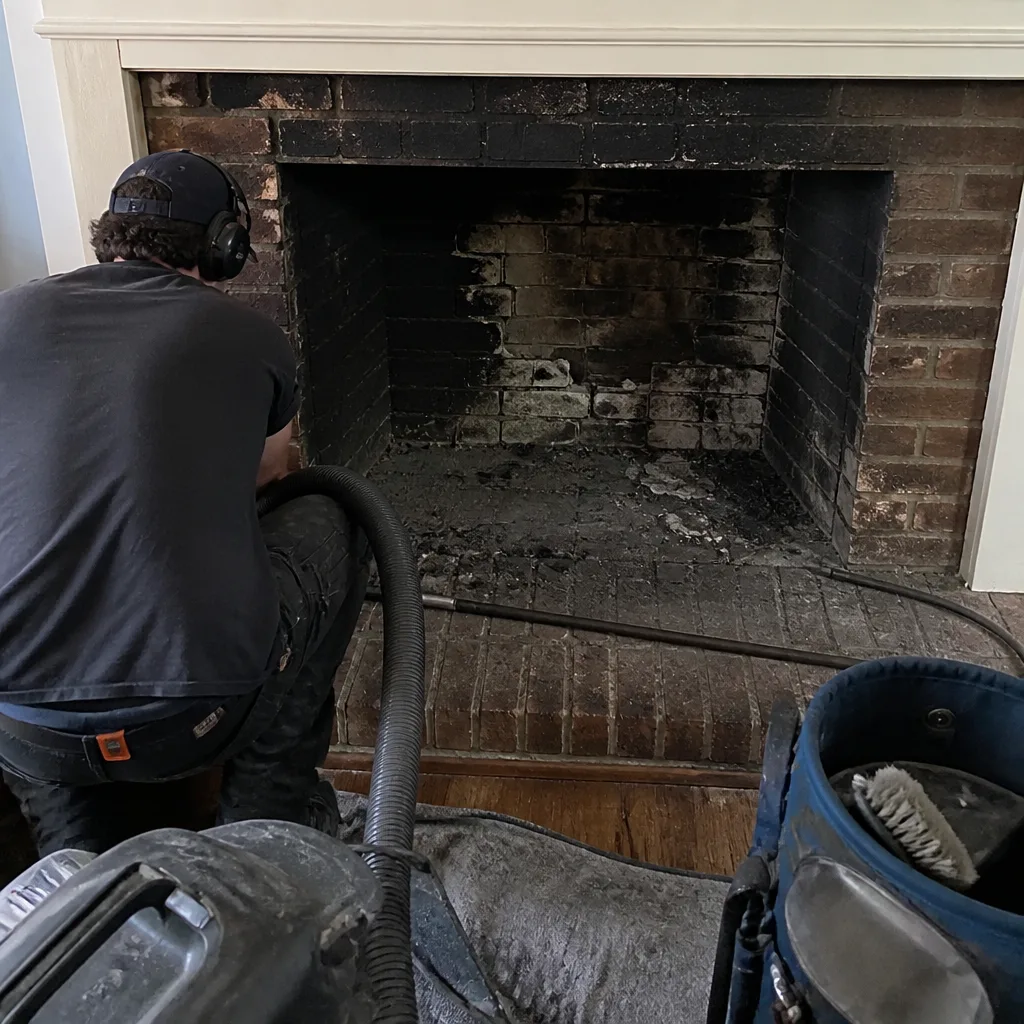 Before
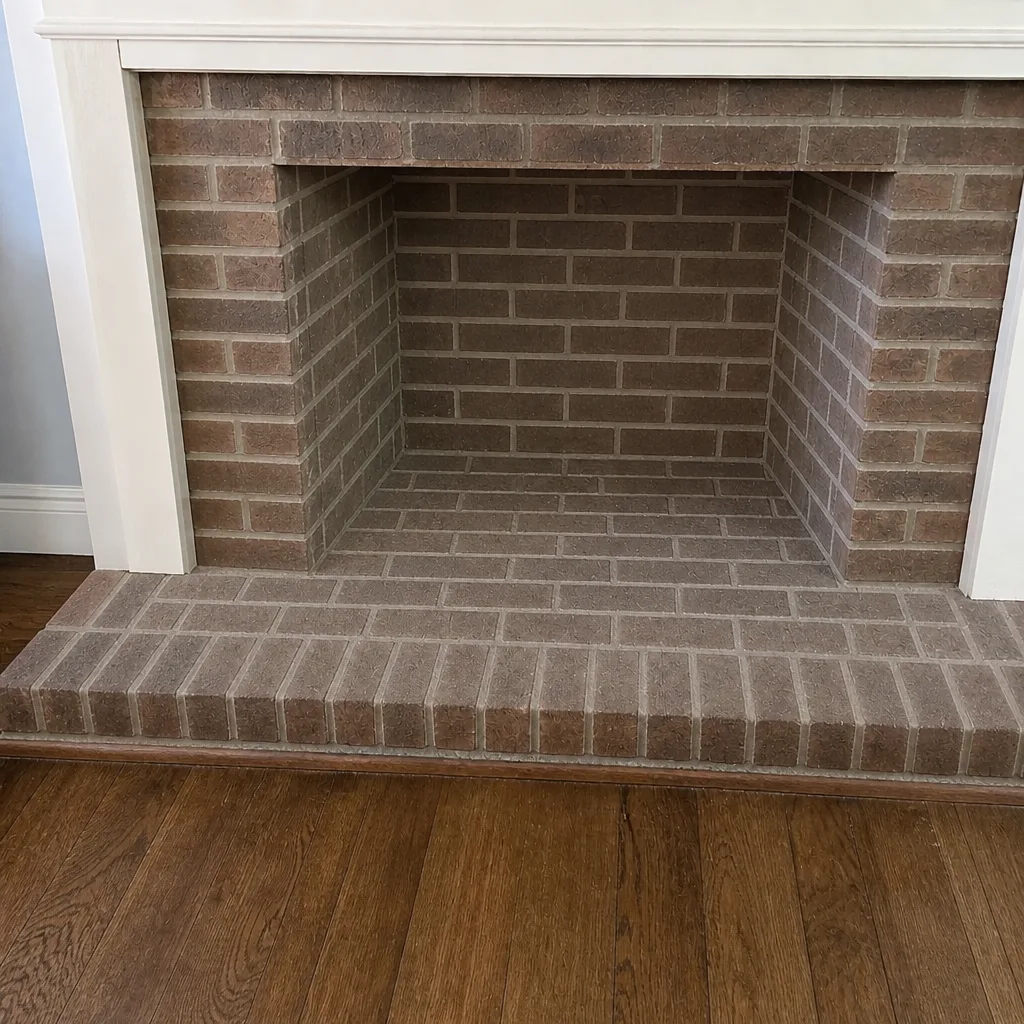 After
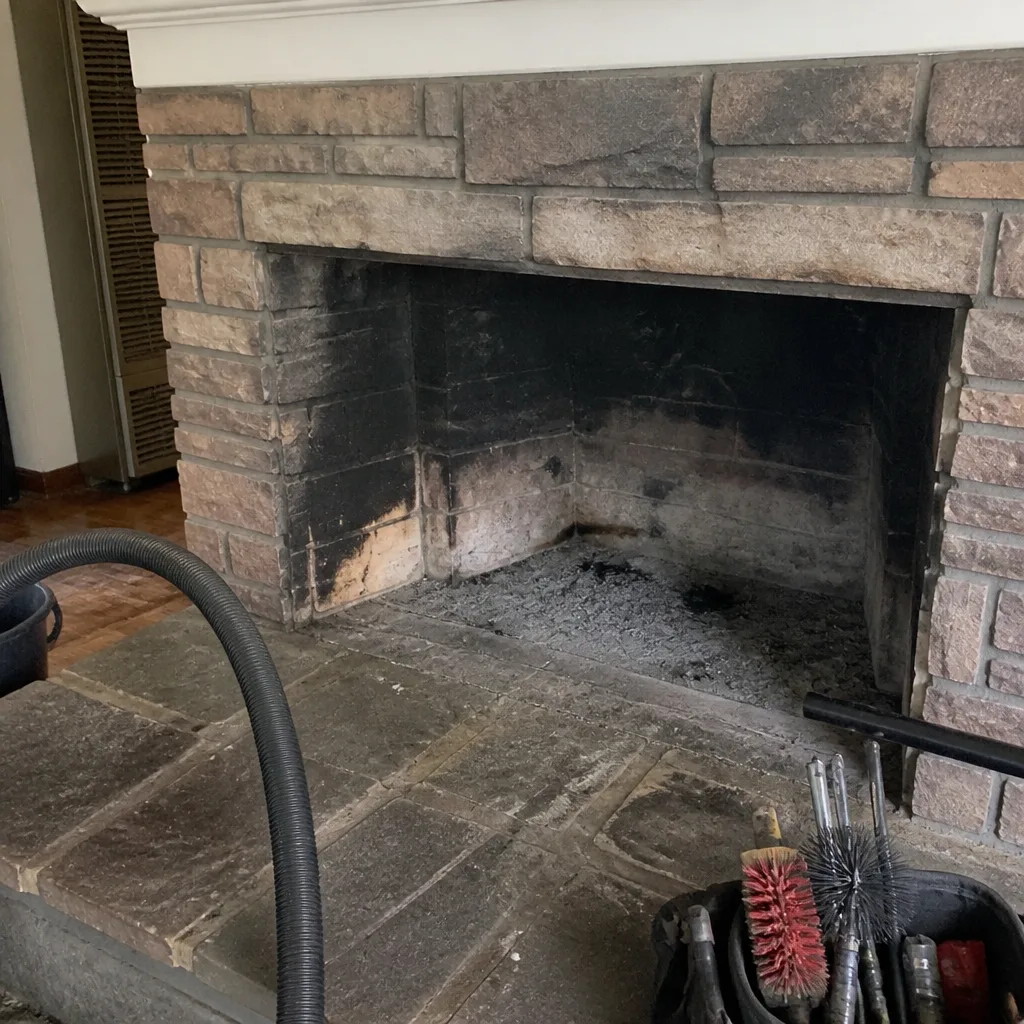 Before
 After
 Before
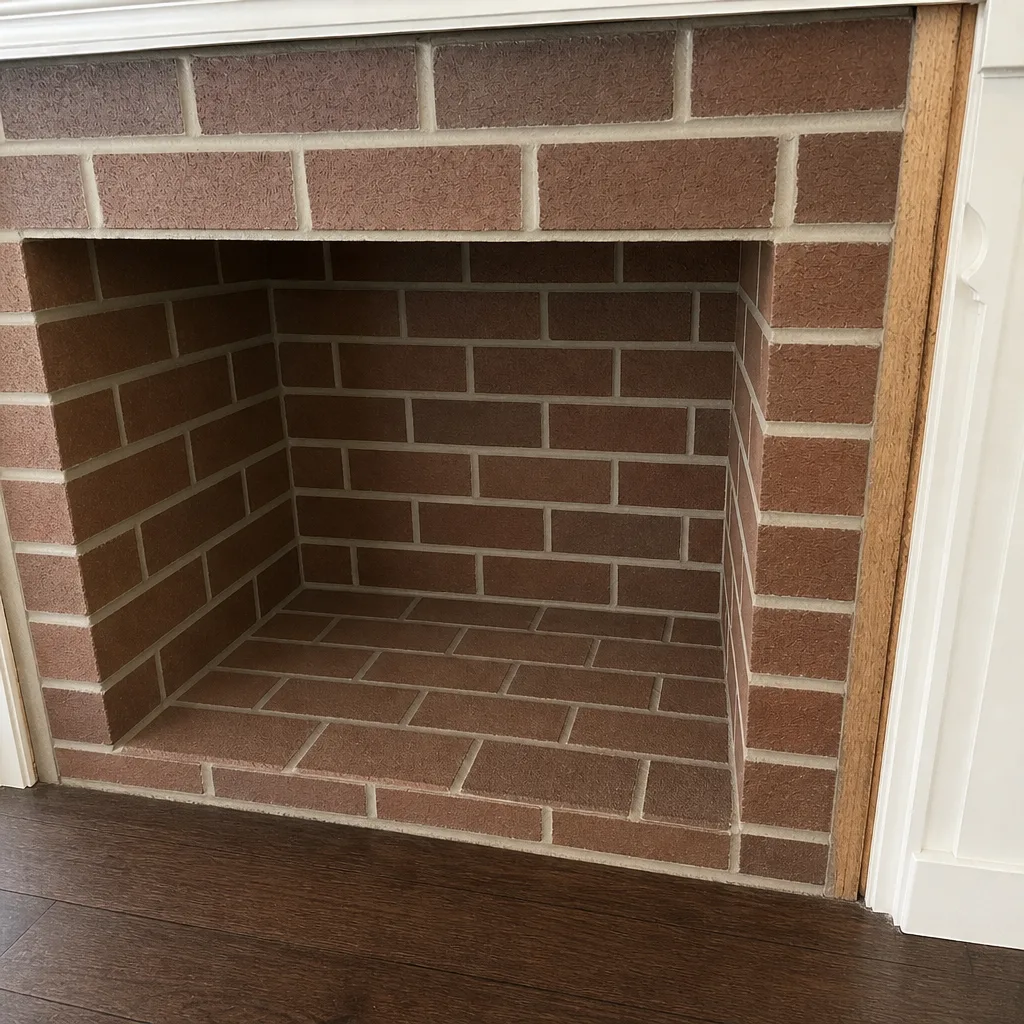 After
When to Call a Professional
Call a professional when you see smoke rolling back into the room, smell smoke with nothing burning, spot cracking in the firebox or flue, or hear animals in the chimney. Call if the exterior brick is spalling, if the crown is visibly cracked, or if the damper won’t open. Call if your dryer is taking longer, running hot, or smelling musty. And call for a baseline inspection on a newly purchased home if you don’t have a recent professional record of the fireplace and vent. Durham Chimney Sweep offers free estimates in Durham. Call (866) 389-3509. We answer 24/7. Fast dispatch from 7am to 7pm, Sunday through Friday. As a full-service fireplace and venting company, we handle cleaning, repair, and dryer vent cleaning in one relationship, so nothing gets referred out.
Frequently Asked Questions
The clearest signs are a smoky smell when the fireplace is cold, soot around the firebox, smoke rolling back into the room, and visible exterior staining. A professional camera inspection confirms whether the flue needs a sweep or repair. Call (866) 389-3509 for a free estimate.
No. A smoky smell with nothing burning means deposits or moisture are active enough to off-gas into your living space. Stop burning, get the flue inspected, and only use the fireplace again once it’s been cleared. Call (866) 389-3509 for a free estimate.
It can be. Black staining near the top of the chimney often means poor venting or a failing crown, and it’s a sign worth having inspected. Light surface staining that hasn’t changed in a long time is usually cosmetic. The difference usually comes down to whether it spreads. Call (866) 389-3509 for a free estimate.
It changes the creosote rather than the amount. Pine and other softwoods leave a softer, flakier creosote that builds quickly; oak leaves harder deposits that narrow the flue. Wet or unseasoned wood is worse than either, so make sure wood is seasoned before you burn it. Call (866) 389-3509 for a free estimate.
Say where the sign is, when it happens, and what you’ve been burning. “Smoke comes out of the firebox on every fire, oak only, and it just started this month” is far more useful than “my chimney seems off.” That level of detail lets the technician arrive with the right equipment ready. Call (866) 389-3509 for a free estimate.
They share one job with your chimney: safely moving heat and byproducts out of the home. A slow dryer, a hot appliance, and a musty smell from the vent outlet are the dryer-side version of the warning list. A professional Durham Chimney Sweep handles both under one service scope. Call (866) 389-3509 for a free estimate.
The Bottom Line
Warning signs fall into two groups, and knowing which group you’re in is the whole point of this guide. Signs on the surface of the firebox and hearth often wait for a scheduled sweep. Signs inside the flue, in the firebox cracks, or in a smoky smell with nothing burning mean stop, then call. The specific sign matters, too: black exterior staining points at venting and crown failure, spalling brick points at moisture, a stiff damper points at age, and animal sounds point at a blocked flue. Everything you see connects to a concrete next step.
If you’d rather not sort it out alone, we’re here to help. We’ve served Durham since 2015, we work with professional grades of product including DuraFlex liner systems and the HeatShield resurfacing system, and we repair what we find, so you don’t need a second company. We answer 24/7. Fast dispatch from 7am to 7pm, Sunday through Friday.
Written by the team at Durham Chimney Sweep, serving Durham since 2015.