
Last updated November 14, 2026
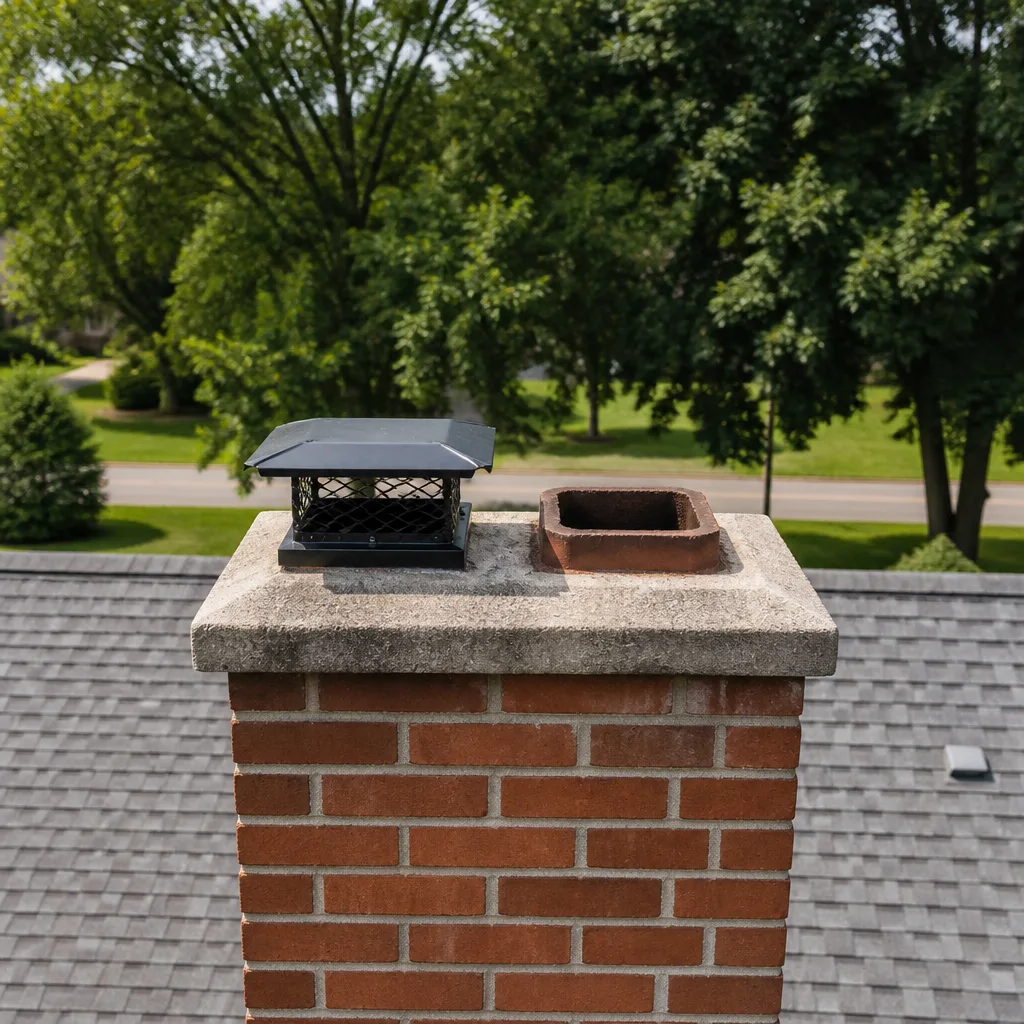 Sweep & inspection
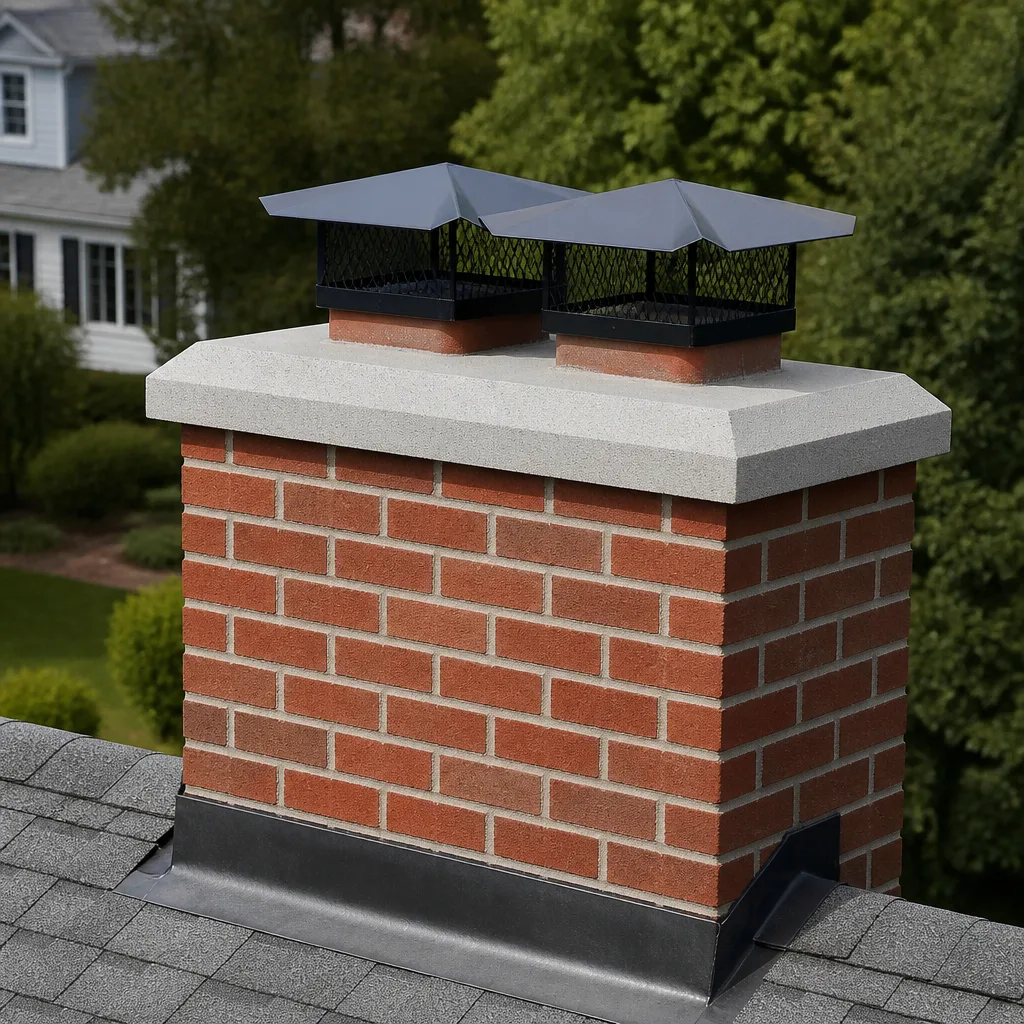 Caps & crowns
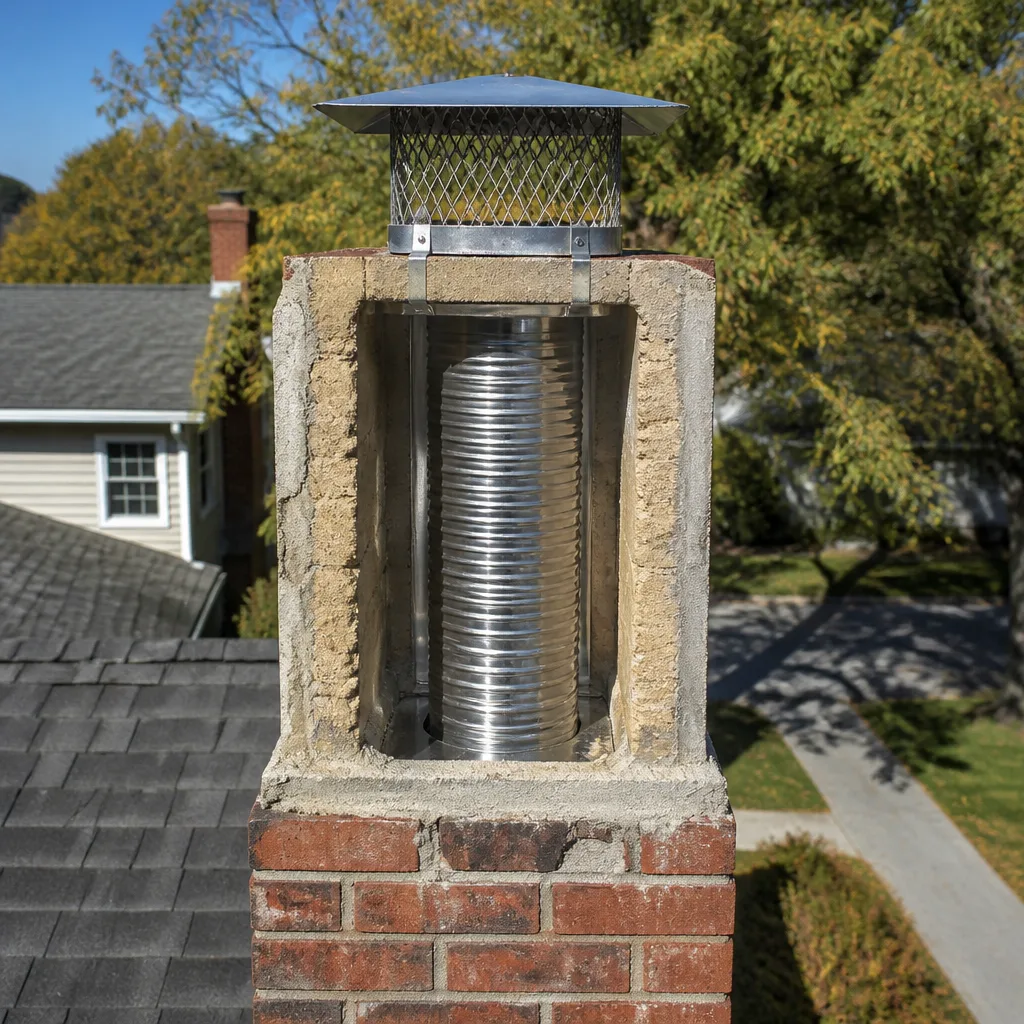 Flue relining
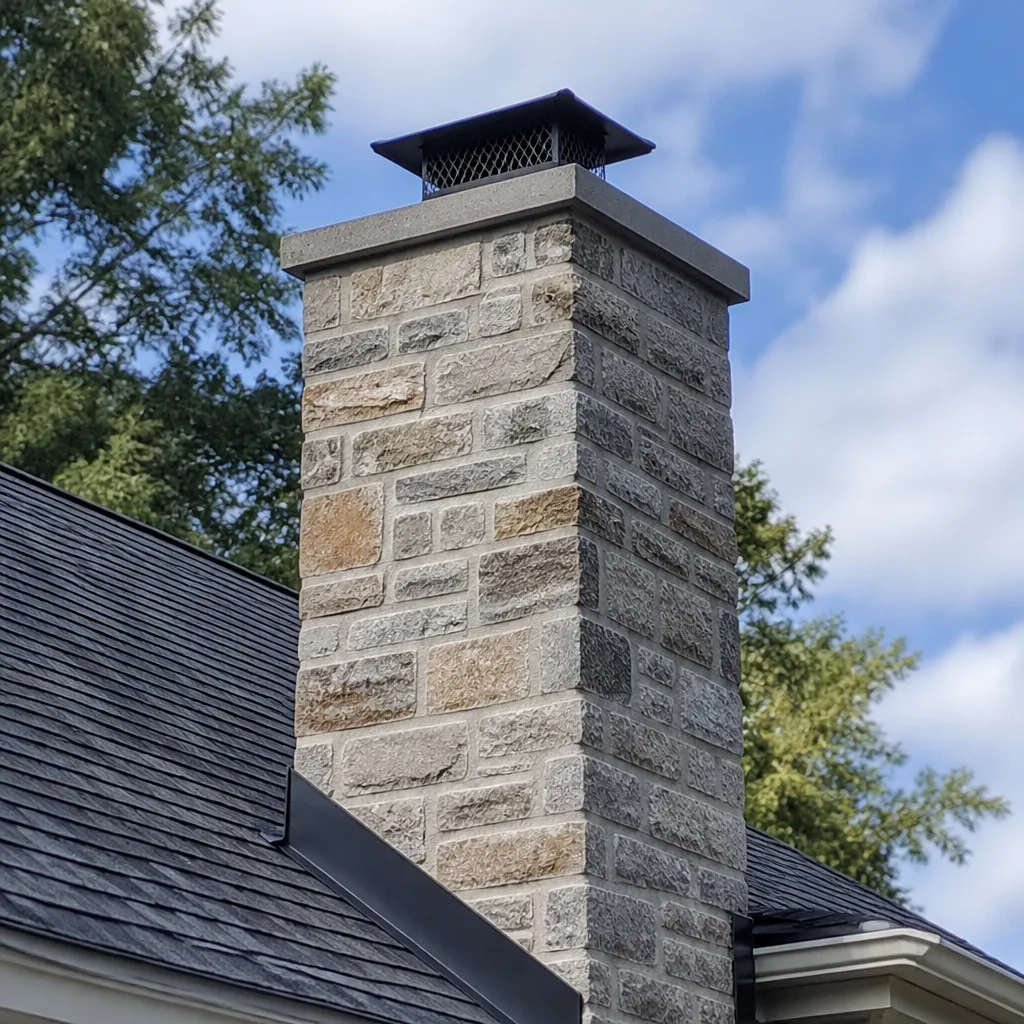 Masonry repair
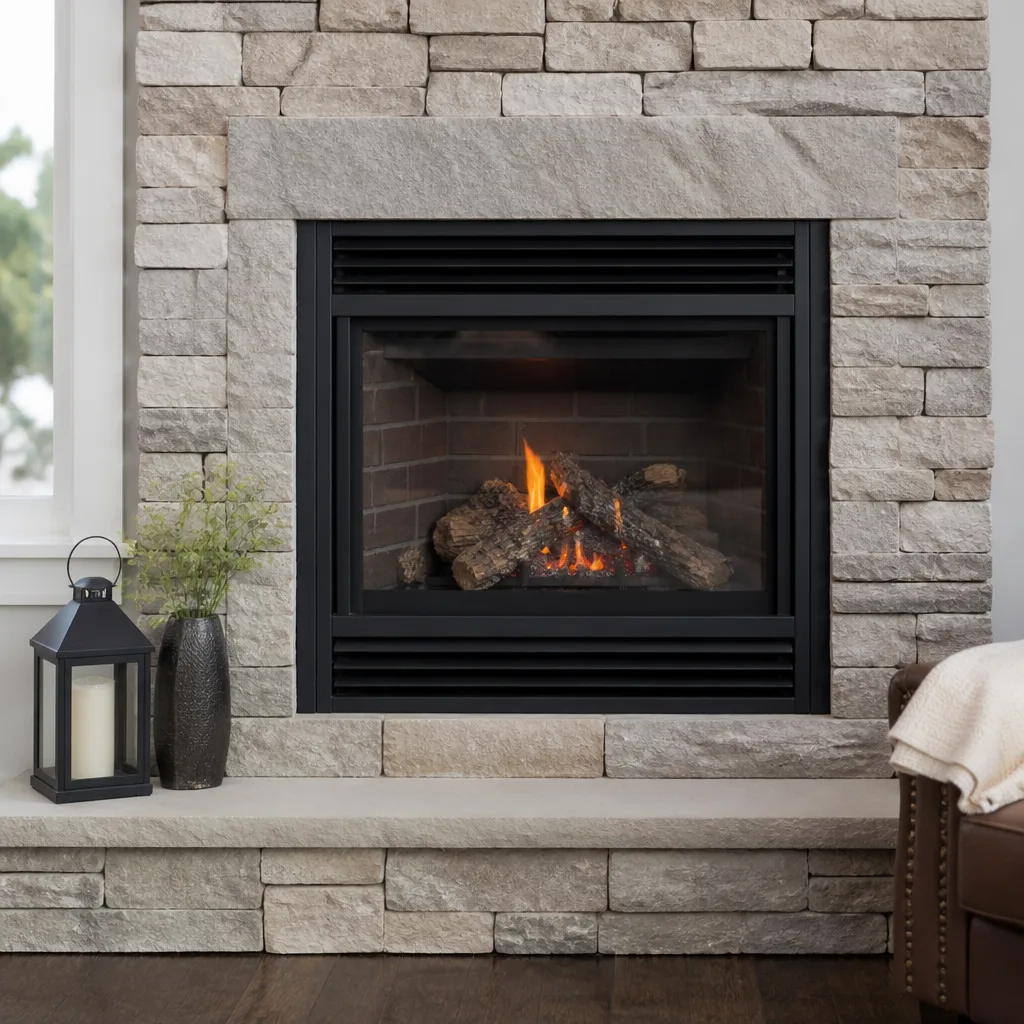 Gas fireplace service
Level 1 sweep and inspection to the NFPA 211 annual standard - flue, crown, cap, and flashing checked and photographed
Chimney sweep logs do not sweep chimneys. They loosen some creosote - which then falls where a brush and vacuum still have to collect it.
How to Hire a Chimney Cleaning Contractor in Durham: A Step-by-Step Guide
A CSIA certification takes 40+ hours of study and a proctored exam. A set of chimney brushes costs about $80 online. Both people will knock on your door and call themselves a chimney sweep, and from the sidewalk you cannot tell them apart. That gap is the whole problem. Durham has plenty of general handymen who will run a brush through a flue, and a smaller number of dedicated chimney companies who diagnose what they find and can actually fix it. This guide gives you a hiring filter you can use before you sign anything: what credentials actually mean, what a specialist’s truck tells you, how to read a quote, and the questions that separate a real chimney professional from someone with a brush kit and a ladder rack.
Quick Answer
Hire a chimney contractor in Durham by verifying three things before work begins: a current CSIA or NFI credential (or a clear explanation of why they hold neither), an active NC business license and liability insurance you can cross-check, and a written scope of work that includes a camera inspection before any repair is recommended. Then ask what happens if the sweep finds a cracked flue mid-job. A dedicated chimney company answers that question in detail. A handyman usually changes the subject.
Styles & brands we work with
- Sweep & inspection
- Caps & crowns
- Flue relining
- Masonry repair
- Gas fireplace service
Table of Contents
- What credentials should a Durham chimney sweep hold?
- Why the truck tells you more than the website
- What a proper inspection includes before anyone quotes a repair
- How to read a chimney quote: red flags and green lights
- How to verify a Durham contractor’s license and insurance
- What happens when the sweep finds a problem mid-job?
- Why a chimney specialist beats a generalist
- How often Durham homes actually need a sweep
What Credentials Should a Durham Chimney Sweep Hold?
Ask for two credentials by name: CSIA (Chimney Safety Institute of America) certification and, if you burn wood or gas, NFI (National Fireplace Institute) certification. Both require study and a proctored exam. Neither is the same as a business license, and neither is a guarantee of good work, but a contractor who holds one has at least proven baseline knowledge of flue science, venting codes, and combustion safety to a third party.
Here is what each one tells you in practical terms:
- CSIA certification covers sweeping practice, inspection standards, and the anatomy of a chimney from firebox to crown. It has to be renewed, which means the holder stays current on code changes.
- NFI certification is specific to hearth appliances: wood stoves, gas inserts, and the venting each requires. If you have a gas insert or a wood stove rather than an open fireplace, this matters more than a general sweep credential.
- Neither credential is a red flag on its own for a small owner-operator. What matters is whether they can explain their training and whether they carry liability insurance. A contractor who holds neither and cannot describe any training is a different risk category entirely.
In our experience across Durham, the credential question is also a useful conversation test. A dedicated chimney company answers it in one sentence and moves on to your flue. Someone who brushes chimneys on the side gets vague, because there is nothing to be specific about. The credential is a proxy for something bigger: whether chimney work is the whole job or a side job.
Why the Truck Tells You More Than the Website
Every chimney company has a clean website. Very few have a truck stocked for real chimney work. When the technician arrives, look at what comes out of the vehicle. A specialist carries a specific kit, and the kit tells you what kind of work they actually do.
What you should see:
- Rods and brushes sized to the flue, not one brush for every chimney. Round, square, and rectangular flues need different heads.
- A HEPA-rated vacuum set up before any sweeping starts. If dust is going to move through your house, the vacuum is the tell.
- A camera for flue inspection. This is the single biggest indicator of a specialist. No camera means no evidence, and no evidence means repairs recommended on a guess.
- Liner materials or product literature from professional brands. Companies trained on DuraFlex flexible liners, HeatShield resurfacing, Gelco, or Copperfield components carry the materials or at least the spec sheets. A handyman will not.
- Drop cloths and a ladder rated for roof access, because crown and cap work happens from above, not from the living room.
What you should not see: a single brush, a shop vac from the garage, and a ladder borrowed from a neighbor. That is a person cleaning a chimney, not a chimney company. The distinction matters most in Durham, where the housing stock runs from pre-war bungalows near downtown to newer builds in the outer neighborhoods. A 1920s masonry chimney and a modern factory-built flue need different tools and different knowledge, and a one-brush operation cannot serve both.
What a Proper Inspection Includes Before Anyone Quotes a Repair
A sweep and an inspection are not the same thing, and a quote for repair work that did not follow a camera inspection is a quote built on a guess. Before you accept any recommendation for relining, crown work, or masonry repair, confirm the technician actually looked inside the flue with a camera and showed you the footage.
Here is how a proper inspection should go, in order:
- Exterior check first. The technician looks at the crown, the cap, the flashing, and the mortar joints from the roof or a ladder before touching anything inside.
- Firebox and damper. Cracks in the firebox masonry, a damper that doesn’t seat, and creosote buildup at the smoke shelf all get noted.
- Flue camera inspection. A camera runs the length of the flue. The technician records what it sees: gaps in the liner, cracked tiles, offset joints, heavy glazed creosote.
- Appliance and venting check. If you have a wood stove or gas insert, the connection to the flue gets checked for proper venting.
- Photo report and written findings. You get the images and a written summary of condition, not a verbal “you need a new liner” delivered from the roof.
That last point is where a lot of Durham homeowners get burned, figuratively. A quote for liner replacement that arrives without photos is a quote you cannot verify. You are being asked to spend real money on a problem you have to take on faith. A chimney company that uses HeatShield resurfacing or a DuraFlex liner system should be able to show you exactly why the existing flue failed and what the fix does. If the evidence isn’t there, ask for it before you sign. For a full explanation of what a standard chimney sweep visit covers, we’ve laid it out step by step.
How to Read a Chimney Quote: Red Flags and Green Lights
The structure of a quote tells you as much as the number. A legitimate chimney quote has a written scope, a camera inspection behind it, and a clear split between what’s needed now and what can wait. A bad one is a flat number with pressure attached.
Red flags to watch for:
- Flat-rate-only bids with no inspection component. If the price is quoted before anyone looked inside the flue, they are guessing, or they are quoting a standard number and planning to find reasons to raise it.
- No written scope of work. “Relining” is not a scope. Which liner, what length, what the crown work includes, and what happens if the flue is worse than expected all belong in writing.
- Same-day decision pressure. “This price is only good today” is a sales tactic, not a safety finding. A real problem in your chimney will still be a real problem tomorrow, and you should have time to compare.
- Recommendations with no photos. Covered above, but worth repeating: no evidence, no obligation.
- A quote that includes work the inspection didn’t find. If the camera never showed a cracked crown and the quote includes crown repair, ask why.
Green lights are quieter. A written estimate with line items. A clear statement of what’s urgent and what can safely wait. A camera report attached. A company that can tell you the difference between a flue that needs resurfacing and a flue that just needs a sweep, and says so plainly even when the second answer is the cheaper one for them. That last behavior is the one to look for. A specialist who can do HeatShield resurfacing work has a financial reason to find liner problems. The honest ones tell you when there aren’t any.
How to Verify a Durham Contractor’s License and Insurance
Verify the business license and liability insurance before any work starts, not after something goes wrong. This takes about ten minutes and protects you from the most expensive outcome in home services: a contractor who damages your home and has no coverage to pay for it.
- Get the exact business name. Not the website name, the legal entity name. It’s on the written estimate.
- Check the NC Secretary of State business registration. Confirm the entity is active and the name matches what’s on your quote.
- Ask for a certificate of insurance. A general liability policy is the one that matters for property damage. Ask them to email a certificate, which is standard practice for any insured contractor.
- Call the insurer listed on the certificate to confirm the policy is current and the coverage is active. Certificates can be outdated; the insurer’s word is the current one.
- Confirm workers’ compensation coverage if they bring a crew. If a helper gets hurt on your roof, the coverage question becomes your problem.
North Carolina does not hand out a state chimney-specific license, which is exactly why this step matters. There is no official state stamp that says “qualified chimney sweep,” so the credentials (CSIA, NFI) plus the business registration plus the insurance certificate are the three checks that together stand in for it. Skip any one and you are trusting a handshake. For more on what our team brings to a job, start with Durham Chimney Sweep.
What Happens When the Sweep Finds a Problem Mid-Job?
This is the question that sorts real chimney companies from the rest, and it’s the one most homeowners forget to ask. A sweep can find a cracked flue tile, a failed crown, or heavy glazed creosote that no one knew about until the camera went in. What happens next should not be a surprise.
A reputable company has a clear answer, and it should sound like this:
- They stop and show you. The camera footage gets reviewed with you before any repair decision. You see the problem yourself, on the screen, in your home.
- They explain what it means for fire safety and carbon monoxide risk. A gap in the flue liner is a pathway for combustion gases into the house. They tell you that plainly, without drama, and they tell you what the fix is.
- They separate urgent from deferrable. Some findings need work before the next fire. Others can wait a season with monitoring. A company that tells you everything is urgent is using your fear as a sales tool.
- They give you a written change order with the new scope and price, and you decide whether to proceed. No verbal “it’ll be about another thousand” from the roof.
- They can do the repair themselves. This is where the specialist positioning pays off. A company that only sweeps will hand you a diagnosis and leave you to find someone else. We repair what we find, so you don’t need a second company and a second opinion on the same problem.
Ask this question on the phone before you book. The answer tells you how the company handles the moment when more money enters the conversation, and that moment is where trust either holds or breaks.
Why a Chimney Specialist Beats a Generalist
A generalist handyman can sweep a chimney. What they cannot easily do is diagnose a flue problem, because diagnosis requires a camera, training on what the camera shows, and the product knowledge to recommend the right fix. Those are three separate investments, and a handyman who sweeps chimneys on the side has not made any of them.
A dedicated chimney company makes all three. The camera is on the truck. The training is current. And the product knowledge runs to specific systems: a DuraFlex flexible liner for a deteriorated masonry flue, HeatShield resurfacing for a flue that can be restored rather than replaced, and components from makers like Gelco and Copperfield for the smaller parts that fail. That roster is not a marketing list. It’s a signal that the company works in the chimney trade rather than dabbling in it.
The same logic applies to the venting side of the house. Dryer vents share one job with chimneys: moving heat and combustion byproducts safely out of the building. A lint-clogged dryer vent is a recognized fire hazard, and one most chimney-only companies never look at. A company that handles both treats the whole exhaust picture in your home as one system. If you’ve never had the dryer vent checked, our dryer vent cleaning service covers the same safety ground as the chimney work.
Durham has no shortage of general contractors willing to take on a chimney job between other projects. The question to ask is not whether they can, but whether chimney work is what they do. The answer is usually visible in the truck, the camera, and the brands they stock.
How Often Do Durham Homes Actually Need a Sweep?
Once a year if you burn wood regularly, and that’s the general standard across the trade. But Durham’s climate shifts the math. Milder winters mean many households burn less than a full cord a season, and a lightly used fireplace may not need annual sweeping in the same way a wood stove running all winter does. The honest answer depends on how much you burn and what the camera finds.
Here is a practical way to think about it:
- Regular wood burning, most of the season: annual sweep and inspection. Creosote accumulates with every fire, and a quarter-inch of it is enough to be a problem.
- Occasional fires, a few a month in winter: an inspection every year, with a sweep when the buildup justifies it. The camera settles the question.
- Gas insert or gas log set: annual inspection, because gas appliances can produce carbon monoxide if venting fails. This is a safety check, not a creosote sweep.
- New to you home: inspect before your first fire, no matter what the seller said. You need a baseline on a flue you didn’t watch get used.
- A dryer vent: check at least once a year, more often in a busy household, because lint accumulates faster than creosote.
One more Durham note: the older homes in established neighborhoods often have original masonry chimneys that have never been relined. If yours is one of them, the first inspection matters more than the sweep. You want to know what’s behind the firebox wall before you light the first fire of the season.
Common Mistakes to Avoid
- Hiring on price alone. The cheapest sweep in Durham is usually the one with no camera and no insurance. You are paying for a brush through a flue, not a diagnosis, and the difference shows up when something is wrong that nobody caught.
- Accepting a repair quote without seeing the footage. Liner replacement is real money. You should see the cracked tile yourself before you approve it. No photos, no signature.
- Skipping the dryer vent because the chimney got all the attention. It’s the same safety category and the same exhaust system. A clogged vent is a fire hazard that a chimney-only company will never mention because it’s not on their list.
- Assuming the seller’s word covers the flue. A home inspection usually does not include a camera inspection of the flue. If you bought a Durham home with a fireplace, get your own baseline before the first fire.
- Letting a same-day price deadline decide for you. A genuine chimney problem does not expire at 5pm. If a contractor pressures you to sign before you’ve compared, that’s the reason to walk.
- Not asking what happens if the sweep finds a problem. The mid-job answer is where the real company shows itself. Ask before you book.
- Confusing a business license with a credential. A registered business is not a qualified sweep. You need the license, the insurance, and the training, and they’re three separate checks.
See the difference
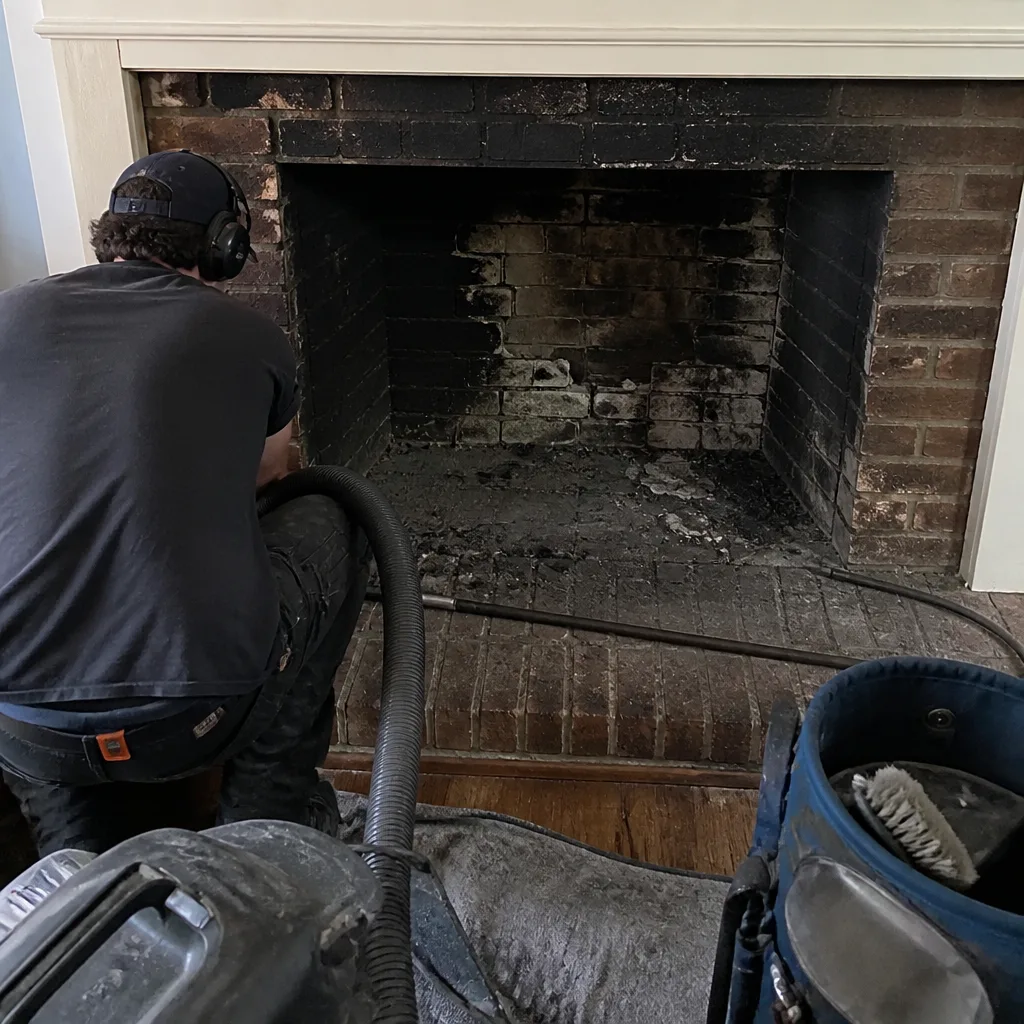 Before
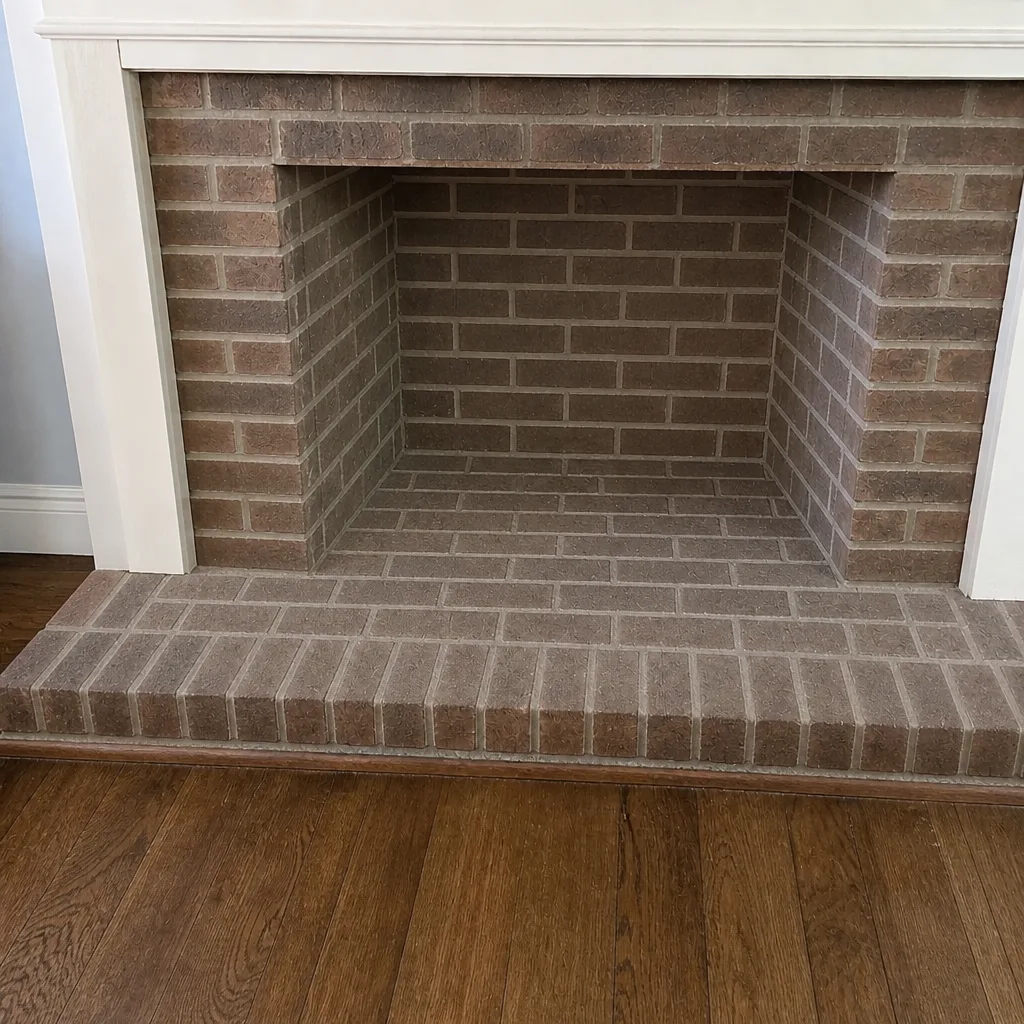 After
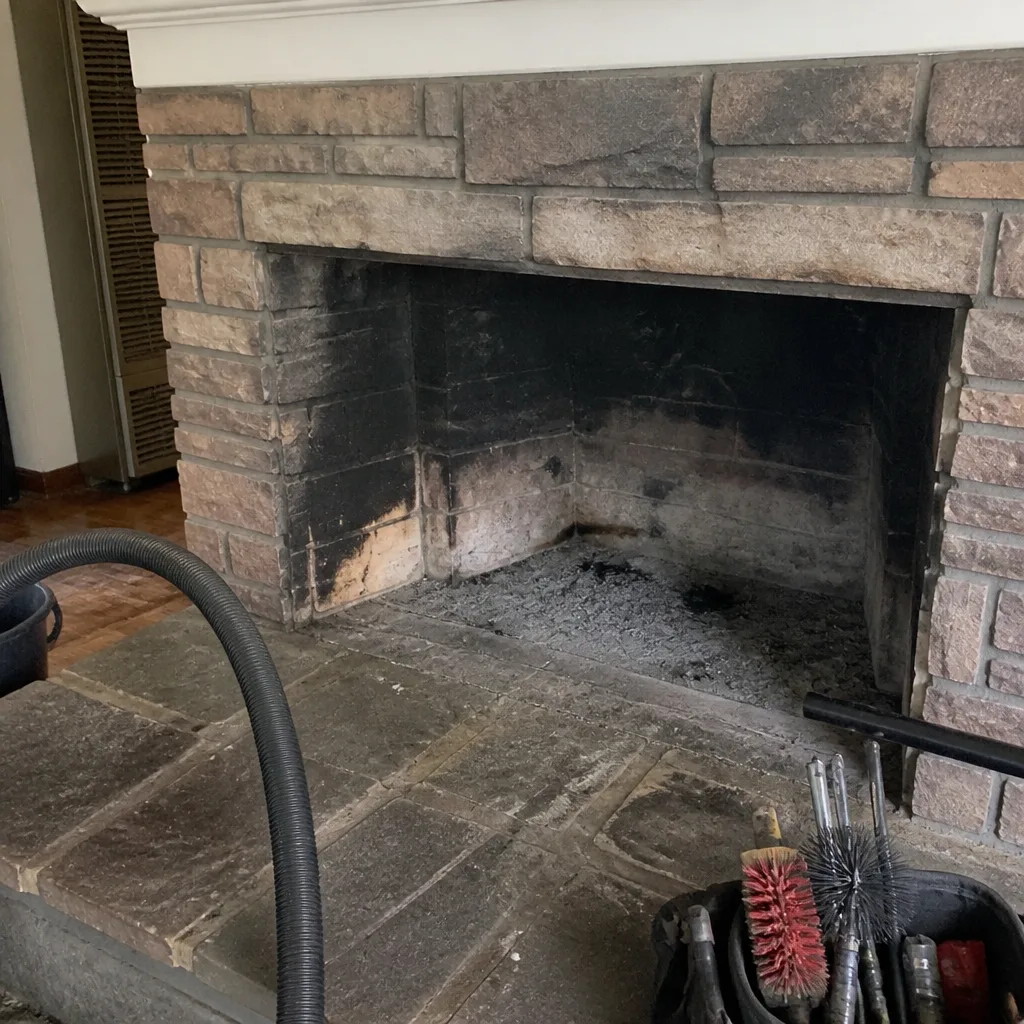 Before
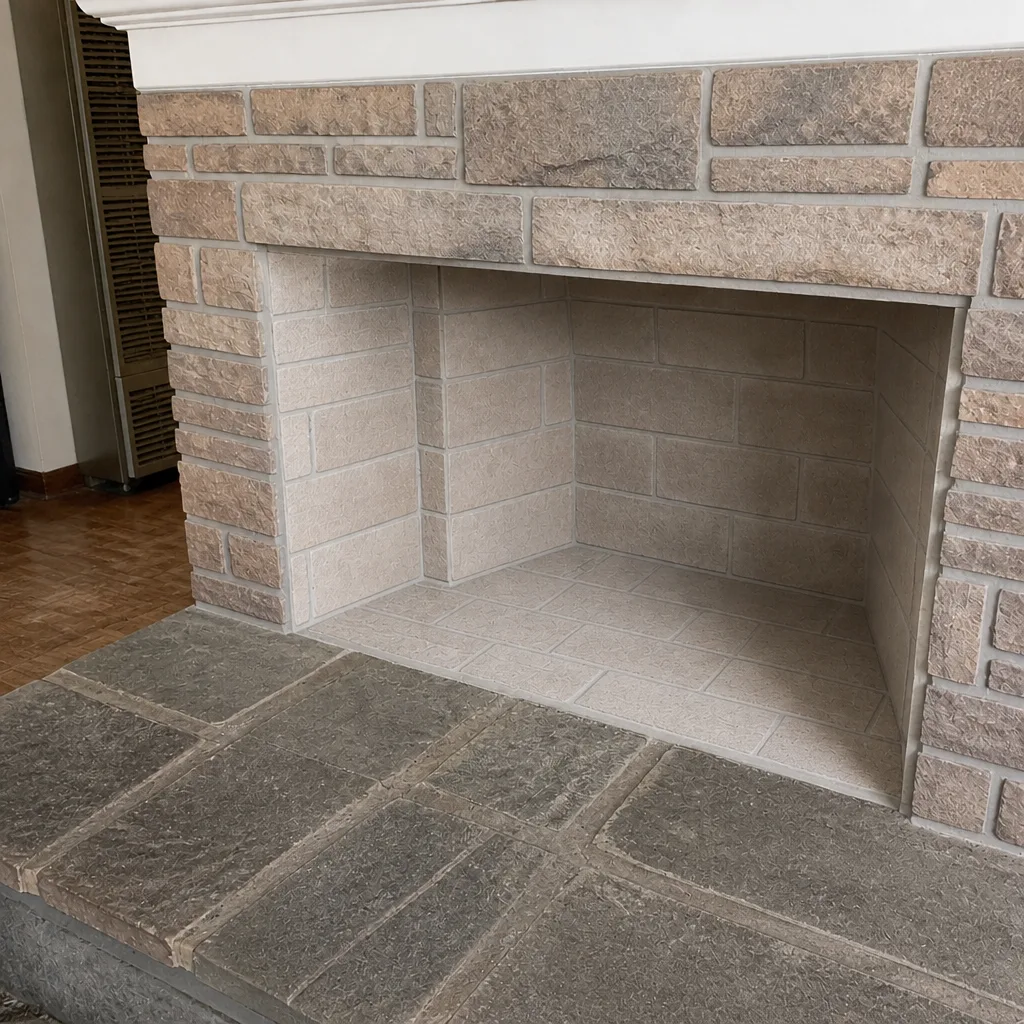 After
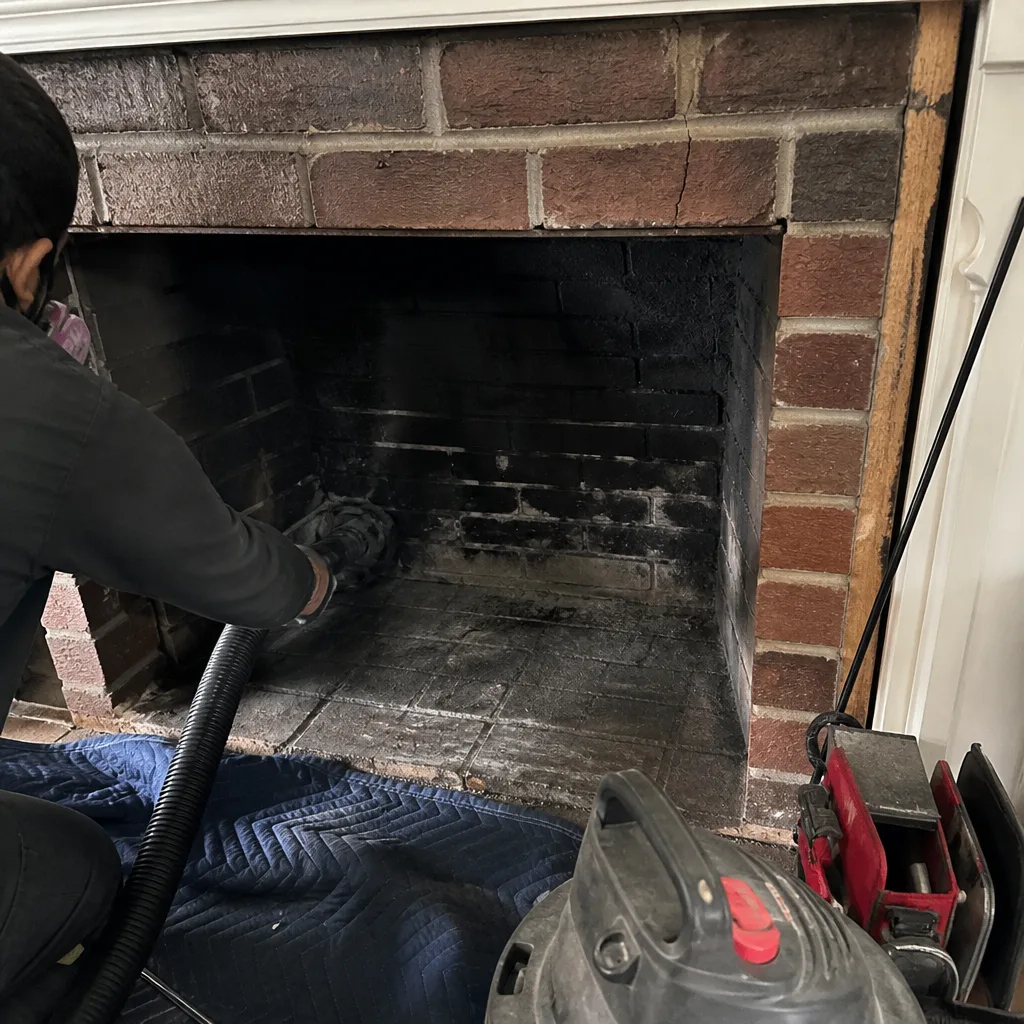 Before
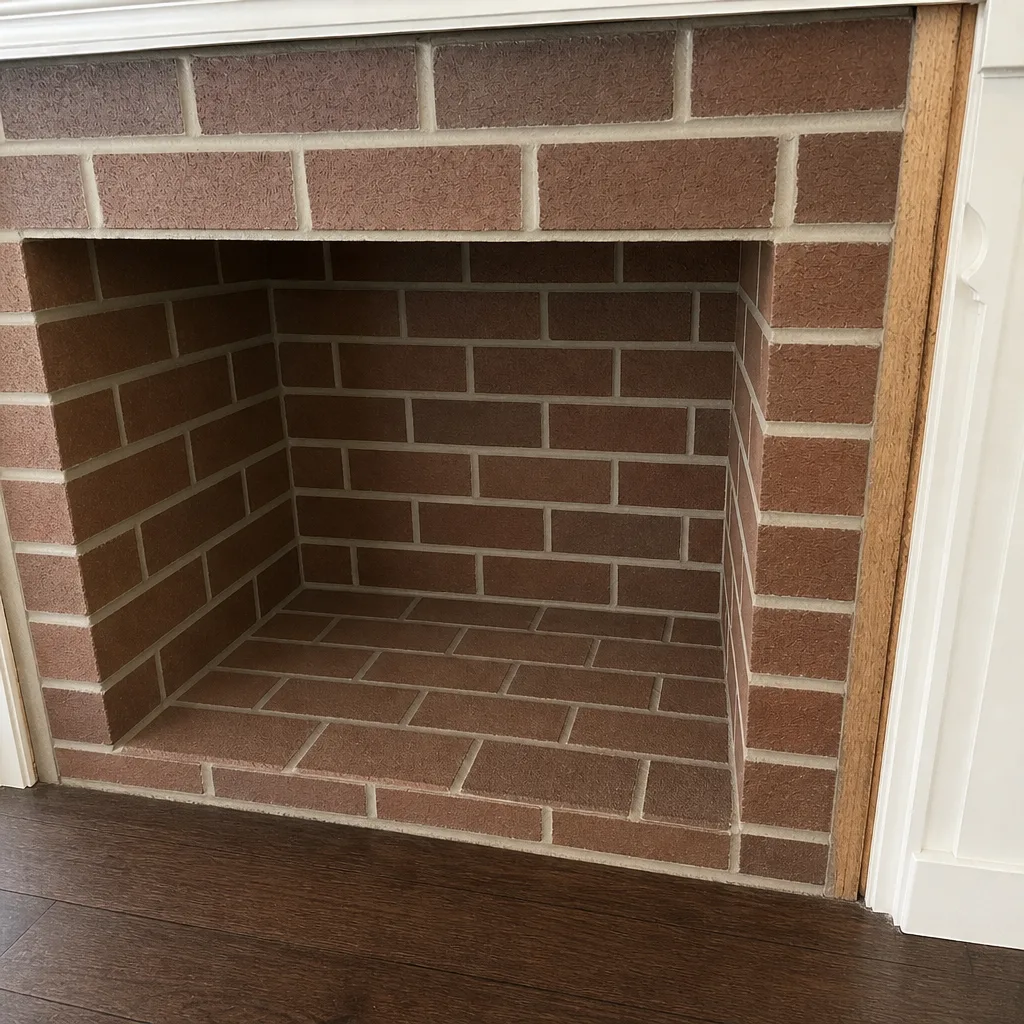 After
When to Call a Professional
Call a professional if you smell smoke in the house when the fireplace is running, if the fire burns poorly or the draft reverses, if you see creosote flaking off the flue walls, or if it’s been more than a year since the last inspection and you burn wood regularly. Call if you just bought a Durham home with a fireplace and have no record of the last sweep. Call if your dryer takes two cycles to dry a load, which usually means the vent is clogged. And call before you light the first fire of the season if you’ve never had the flue looked at, because a chimney is the one system in your home that, if neglected, can burn it down. Durham Chimney Sweep offers free estimates in Durham. Call (866) 389-3509. We answer 24/7. Fast dispatch from 7am to 7pm, Sunday through Friday.
Frequently Asked Questions
A standard sweep and inspection in Durham typically runs in the low-to-mid hundreds, with repair work quoted separately after the camera inspection. The written estimate sets the final price, and you see the scope before any work starts. Call (866) 389-3509 for an exact quote. Estimates are free.
CSIA certification is the strongest single credential to look for, because it requires study and a proctored exam and has to be renewed. A contractor without it isn’t automatically disqualified, but they should be able to explain their training and carry liability insurance. If they hold neither credential and can’t describe their background, that’s the line.
Sometimes, but not always. A small gap may be resurfaced with HeatShield on a follow-up visit, while a fully deteriorated masonry flue usually needs a DuraFlex liner system installed, which is scheduled separately. We tell you what’s urgent, what can wait, and what the written estimate covers before we schedule anything.
Only if the camera shows the existing liner has failed. A flue with cracked tiles, gaps at the joints, or heavy glazed creosote is a pathway for combustion gases, and a liner is the fix. A flue that’s intact does not need one, and we say so when that’s the case. Ask to see the footage before you decide.
Once a year if you burn wood regularly, because creosote accumulates with every fire. If you burn only occasionally, an annual inspection with a sweep when buildup justifies it is reasonable. Gas inserts need an annual inspection for carbon monoxide safety even though there’s no creosote to sweep.
Creosote builds up in the flue, and at a certain thickness it can ignite, which is a chimney fire. A failed liner also lets carbon monoxide into the house instead of up the flue. Neither is guaranteed, but both are the reason the annual check exists. Call (866) 389-3509 to book an inspection and get a straight answer on your flue. Estimates are free.
The Bottom Line
Hiring a chimney contractor in Durham comes down to a filter you can apply in about twenty minutes. Verify the training (CSIA or NFI, or a clear explanation of why neither). Verify the business license and the liability insurance by calling the insurer. Ask what happens if the sweep finds a problem, and listen for a company that shows you the camera footage and lets you decide. Look at the truck when it arrives, because the rods, the vacuum, and the liner materials tell you what kind of company showed up. A specialist who can diagnose and repair what they find, from the firebox to the crown, is worth more than a handyman with a brush. Call (866) 389-3509 for a free estimate. We answer 24/7. Fast dispatch from 7am to 7pm, Sunday through Friday.
Written by the team at Durham Chimney Sweep, serving Durham since 2015.