
Last updated November 14, 2026
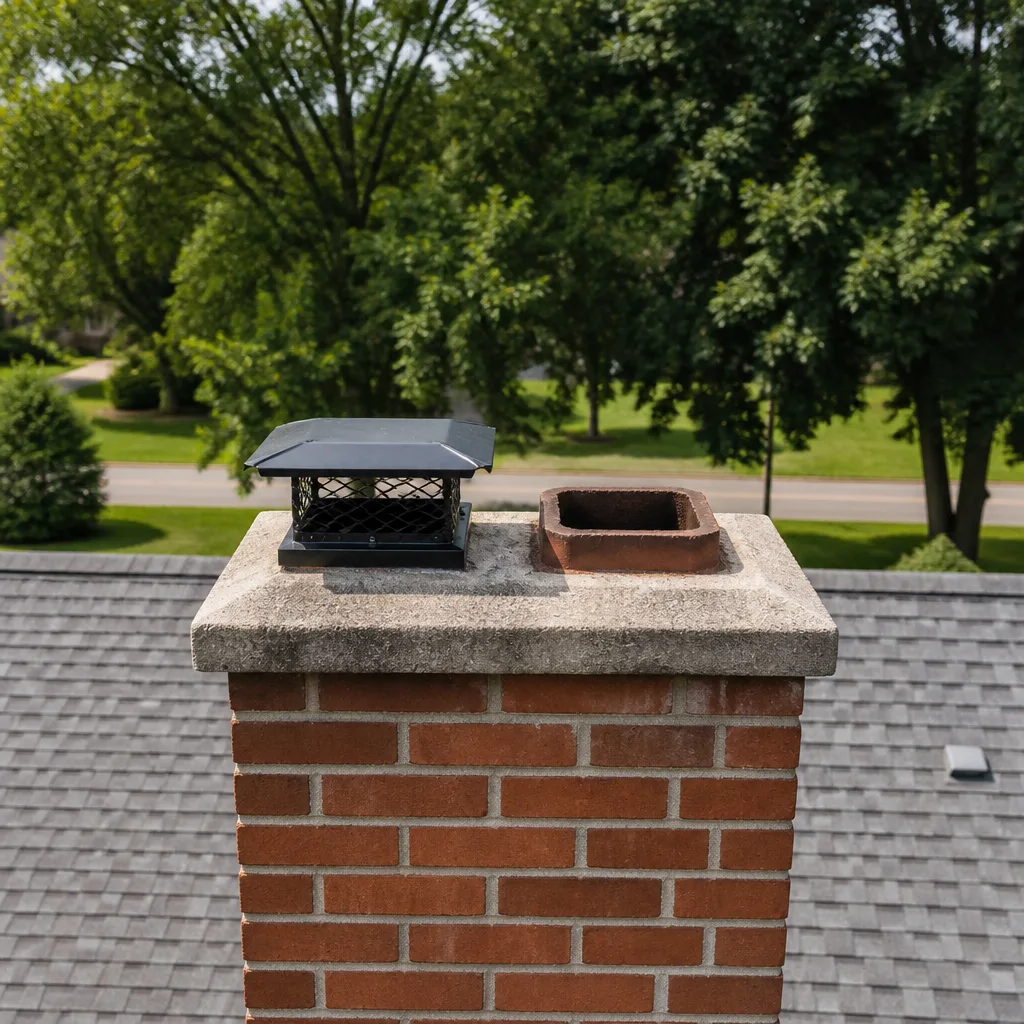 Sweep & inspection
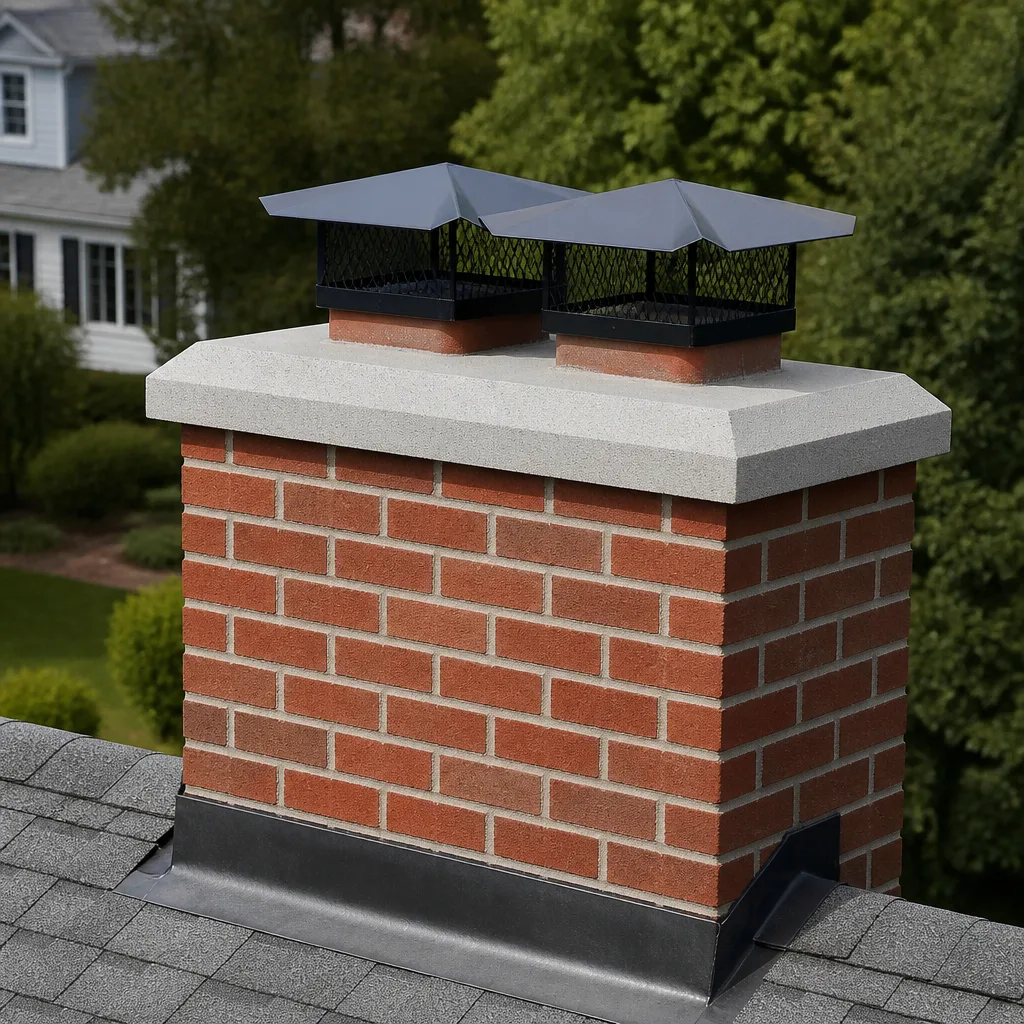 Caps & crowns
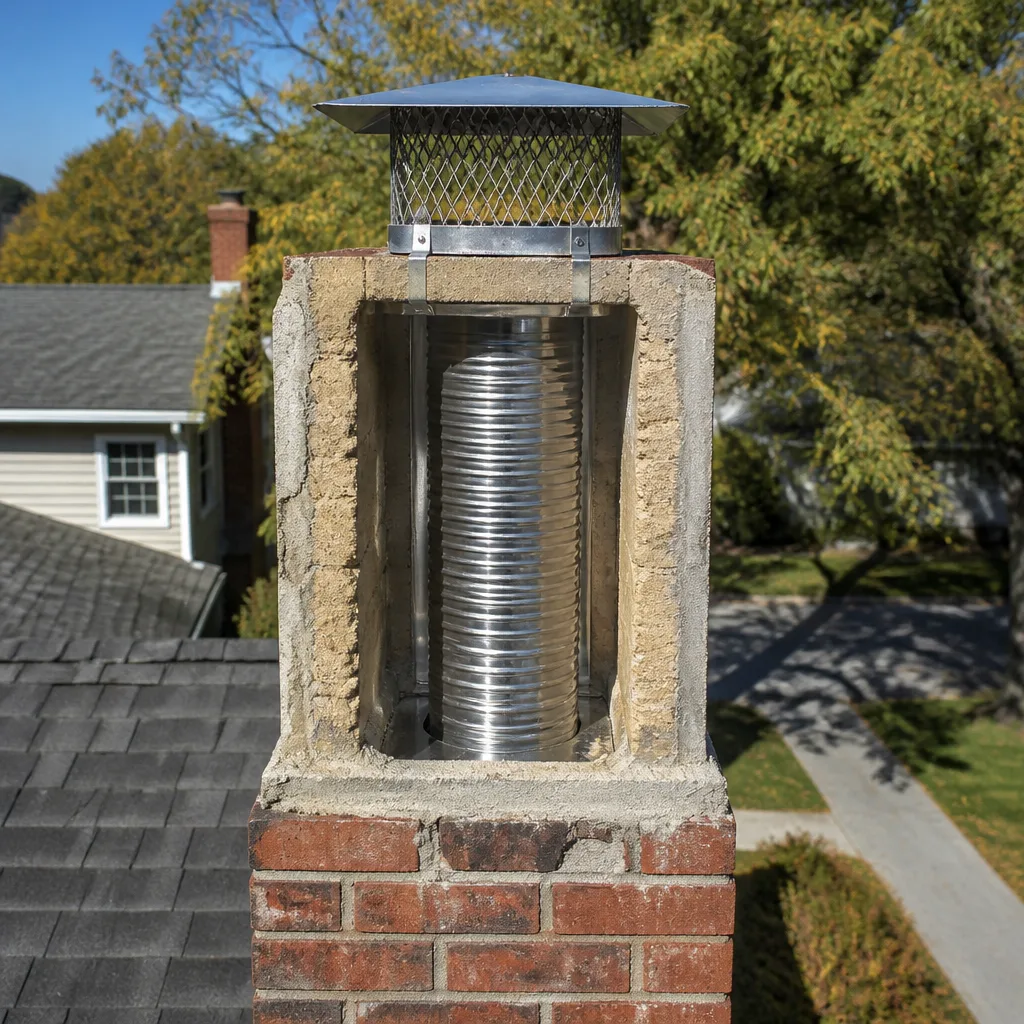 Flue relining
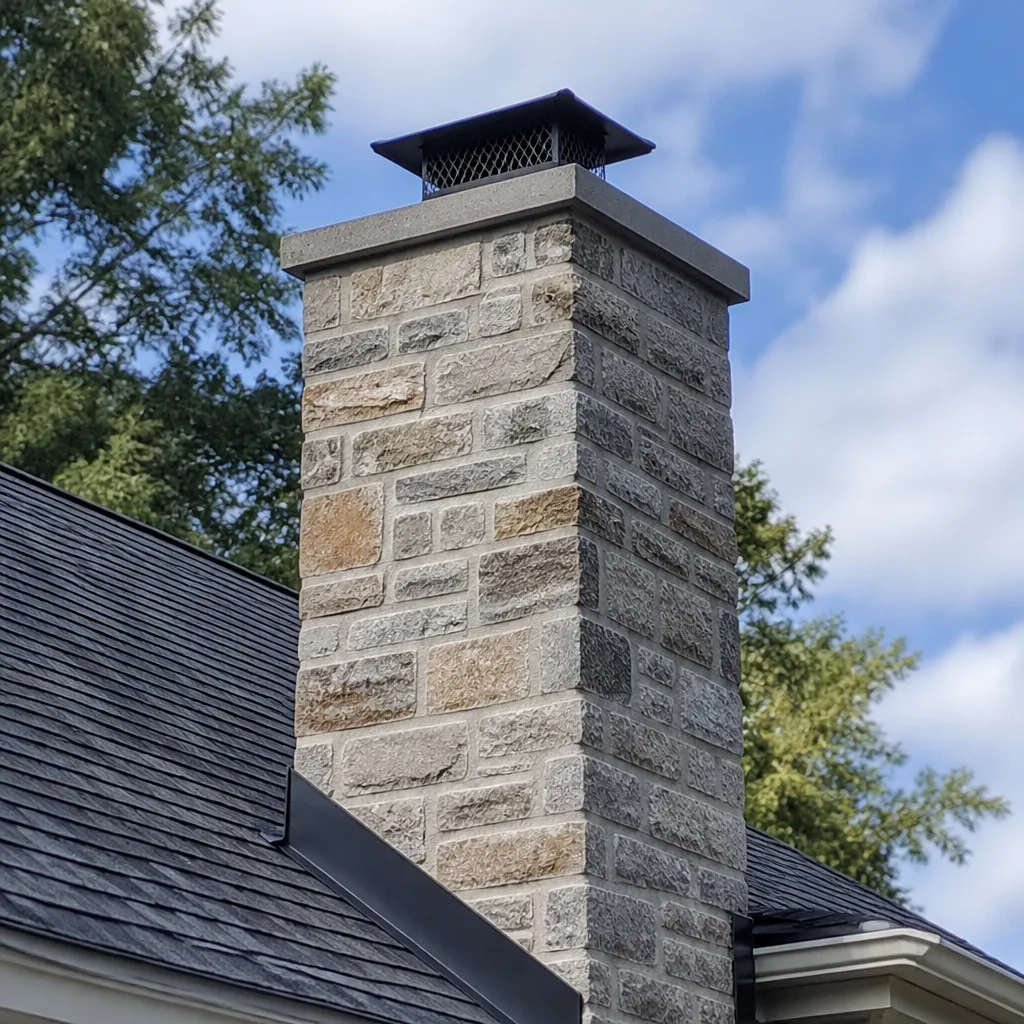 Masonry repair
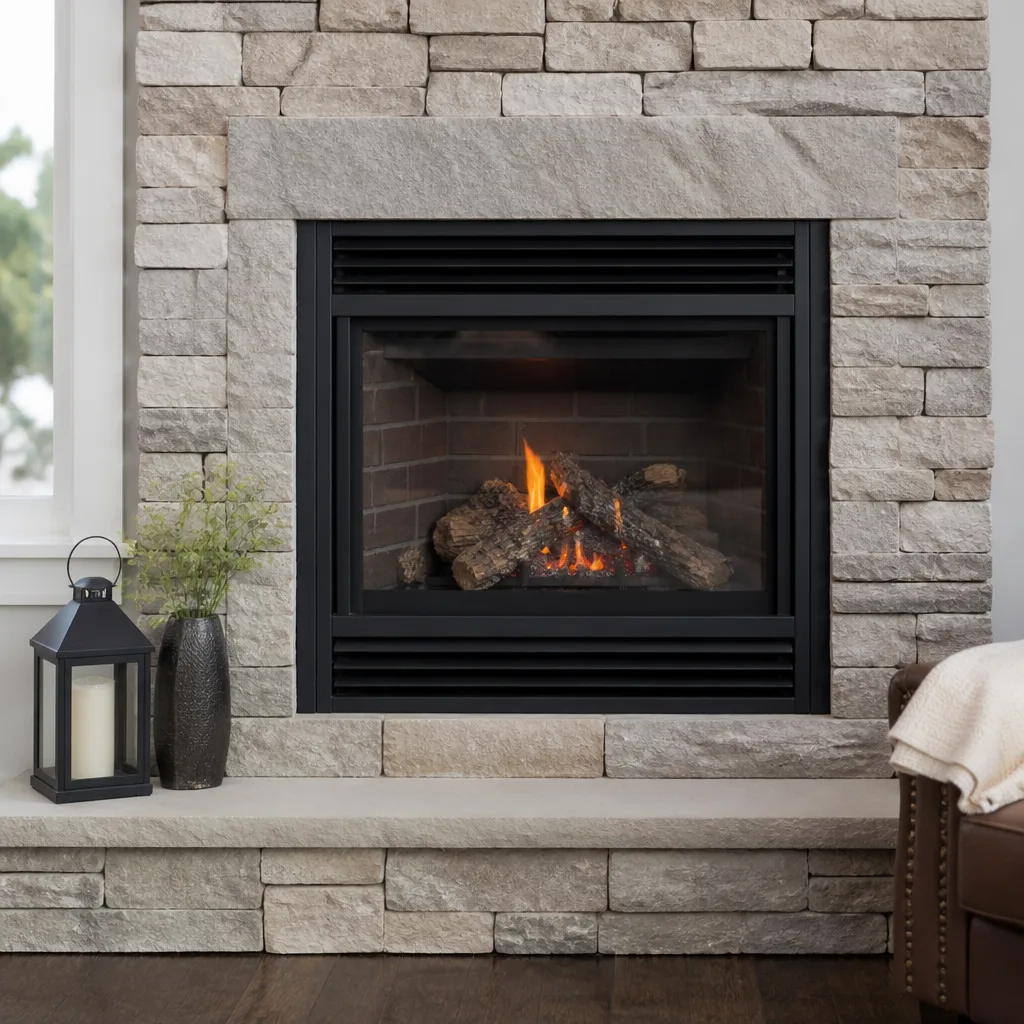 Gas fireplace service
Level 1 sweep and inspection to the NFPA 211 annual standard - flue, crown, cap, and flashing checked and photographed
Chimney sweep logs do not sweep chimneys. They loosen some creosote - which then falls where a brush and vacuum still have to collect it.
Seasonal Chimney Cleaning Care for Durham: Year-Round Homeowner’s Guide
Most homeowners treat the chimney like a smoke alarm: they think about it once, then forget it exists until something goes wrong. That’s backwards. A chimney in Durham doesn’t experience one maintenance moment a year; it experiences four, and each season pushes on a different part of the system. Summer humidity works on the masonry, fall burning season tests the flue, winter freezes and thaws the crown, and spring rain finds every crack the cold left behind. Miss the seasonal windows and a small, cheap fix becomes an expensive rebuild. This guide walks you through the calendar, season by season, so you know what to check, when to book a chimney sweep, and when work can safely wait.
Quick Answer
Seasonal chimney care in Durham follows a simple rhythm: get a professional sweeping and inspection in late September or October before burning season starts, watch for draft and odor changes through the winter, schedule repairs in spring once the freeze risk passes, and check the crown and flashing from the ground through the humid summer months. One cleaning a year is the anchor, but the inspections between cleanings are what catch trouble early.
Styles & brands we work with
- Sweep & inspection
- Caps & crowns
- Flue relining
- Masonry repair
- Gas fireplace service
Table of Contents
- Why Durham’s Four Seasons Stress a Chimney Differently
- Fall: The Critical Cleaning Window Before Burning Season
- Winter: What to Monitor While the Fire Is Burning
- Spring: Inspections, Moisture, and Booking Repairs
- Summer: What Heat and Humidity Do to Crowns and Flashing
- Building a Maintenance Log That Actually Helps
- The Other Vent: Dryer Ducts and Seasonal Fire Risk
- Common Mistakes to Avoid
Why Durham’s Four Seasons Stress a Chimney Differently
A chimney in Phoenix and a chimney in Durham are built the same way and fail in completely different ways. The difference is the swing. Durham gets hot, humid summers that push moisture into porous masonry, followed by winters cold enough for repeated freezes and thaws. Water gets in during one season and expands during another. That cycle is what cracks crowns, loosens flashing, and slowly works apart mortar joints in older chimneys around neighborhoods like Watts-Hillandale and Trinity Park, where the housing stock is a century old or close to it.
This is why a single annual sweep, while necessary, isn’t the whole picture. The sweep removes creosote and confirms the flue is clear. The seasonal checks around it catch the structural stuff: the cracked crown, the rusted cap, the spalling brick that a sweep alone won’t fix. Think of sweeping as the cleanup and the seasons as the checkpoints.
We’re specialists, not generalists. Every tool we carry and every product we stock exists for chimney and venting systems, including professional-grade materials from brands like Olympia Chimney and DuraFlex. That focus comes from Durham Chimney Sweep, where we’ve worked on these systems since 2015. When the diagnosis is a damaged liner or a failing crown, we repair what we find rather than sending you to a second company.
Fireplaces aren’t the only thing that needs seasonal attention either. The vent behind your clothes dryer carries lint and heat out of the house all year, and its risk climbs through the warmer, heavier-laundry months. We’ll get to that further down.
Fall: The Critical Cleaning Window Before Burning Season
Late September through October is the window that matters most in Durham. It’s the last stretch before you start lighting fires, and it closes the gap left by a humid summer. Book the sweep before the first cold snap, not after. By November, everyone who forgot has remembered, and calendars fill.
Here’s what a fall sweep is actually looking for, beyond the obvious creosote removal:
- Creosote condition. It builds in layers, and glaze stage is far harder to remove than the soft, flaky kind. A humid summer can help moisture mix with soot and turn buildup tacky.
- Draft readiness. A flue that pulls poorly in October will pull worse in January. We check for blockages, nesting material, and the flue’s basic geometry.
- The cap. This is the front line against rain, animals, and debris. A missing or damaged cap lets water and wildlife straight into the flue.
- The firebox and damper. Cracks in firebox masonry and a damper that won’t seat are both worth knowing before the first fire.
- The crown and flashing. Caught in fall, a hairline crown crack is a cheap repair. Caught in spring after a hard winter, it may be masonry work.
The check itself follows a clear sequence:
- Inspect the firebox, damper, and smoke chamber from inside.
- Check the flue for creosote level, blockages, and liner integrity.
- Look at the crown, cap, and flashing from the roof.
- Sweep the flue with the appropriate brush for the liner material.
- Confirm the flue is clear with a camera or a final visual pass.
If you’ve just moved into a home with a fireplace you’ve never used, autumn is the right time for a baseline inspection before your first fire. You want to know what you’ve inherited, not discover it mid-season. If you’re unsure whether the job is urgent, our guide to what a chimney sweep involves will help you weigh it. When in doubt, call and ask.
Winter: What to Monitor While the Fire Is Burning
Once the burning season is underway, your job shifts from scheduling to observing. Most mid-season problems announce themselves long before they become dangerous, and the signs are the kind of thing you’d notice if you knew to look. Winter is not the time to open up the flue and start tinkering. It’s the time to track what the chimney is telling you and call if it changes.
Watch for these signals during active use:
- Smoke rollback. Smoke curling back into the room instead of up the flue points to a draft problem, a partial blockage, or a closed damper. Stop burning and get it checked.
- Draft changes. A fire that used to pull well and now struggles is a change worth noting in your log, not ignoring.
- Odor shifts. New or stronger smoky creosote smells, especially when the fire isn’t lit, suggest buildup or a moisture issue.
- Creosote smell during warm spells. When it warms up outside and the flue is idle, creosote smell intensifies. That’s normal to a degree, but it’s worth tracking how strong it’s getting.
- Visible soot or staining. Soot streaks around the firebox or damper, or staining where the ceiling meets the chimney, are not cosmetic.
- Liner warning signs. Any heat, cracking, or crumbling visible inside the flue means stop and get a professional out.
One safety note that matters above all others: carbon monoxide is invisible and odorless. A properly functioning chimney vents it safely, but a blocked or damaged flue can let it back into your home. Working smoke and CO alarms are not optional. If an alarm sounds and you suspect a chimney or venting problem, get out and call for help. Never try to fix a flue problem yourself during the season. A trained professional has the tools and the eye for it.
When something is off mid-season, we answer 24/7. Fast dispatch runs from 7am to 7pm, Sunday through Friday.
Spring: Inspections, Moisture, and Booking Repairs
Spring is when you find out what winter did. Once the last freeze risk has passed in Durham, the chimney can be assessed honestly and repaired without weather interrupting the work. This is the right time for a post-season inspection and the right time to schedule masonry repairs before summer heat and summer humidity settle in.
The spring inspection prioritizes:
- Moisture intrusion. Look for water staining inside the firebox, damp masonry, or efflorescence (the white powdery deposits on brick that signal water moving through).
- Crown condition. Winter freeze-thaw is the harshest test of a crown. Cracks that widened over the winter need fixing before summer rain gets in.
- Flashing and seals. Failed flashing around the roof penetration is one of the most common hidden leak sources.
- Liner integrity. A full inspection from top to bottom confirms whether the flue has held up through the winter.
Why book repairs in spring rather than waiting? Because the work should be done before the next burning season, and because the weather window is better. Masonry repairs and relining don’t want to be rushed in November. This is also when restoration work makes sense. If your flue liner is deteriorated and you’ve been putting it off, spring gives a repair the whole off-season to settle. We use HeatShield for liner resurfacing, a restoration method that rebuilds a deteriorating flue from the inside rather than replacing it outright, and Famco products where they fit the job. If the existing liner is beyond resurfacing, a flexible liner system from a brand like DuraFlex can bring the flue back into proper service.
Spring is also a good time for anyone new to the area to understand what a Durham fireplace needs going into a new season. If you’re learning the lay of the land, our page on Durham covers the local scene.
Summer: What Heat and Humidity Do to Crowns and Flashing
Summer is the season most homeowners skip entirely because the fireplace is out of sight. That’s a mistake. Durham’s heat and humidity put real pressure on the parts of your chimney that live outdoors, and many of the problems they cause are visible from the ground if you know where to look.
Here’s what summer actually does. High humidity travels into porous masonry and mortar joints. Brick that’s been wet then dries and shrinks, which is a slower version of a freeze-thaw cycle, but it still works cracks open over time. The crown, the concrete top that sheds water off the chimney, takes the worst of it. A hairline crack in the crown lets water pool at the top of the flue, and that’s where the trouble starts.
From ground level, you can spot some of this yourself:
- The crown. Look for visible cracks, crumbling, or a crown that slopes the wrong way, favoring water toward the flue rather than away.
- Flashing. Check the metal flashing where the roof meets the chimney. Lifted edges, missing sealant, or rust are all visible from the ground with binoculars.
- Spalling brick. Brick faces flaking or popping off are a sign moisture has gotten in.
- Efflorescence. White staining on the outside of the chimney means water is moving through the masonry.
- The cap. A cracked or missing cap lets water and debris straight in.
Summer is also the best time to book if spring repairs got pushed. Scheduling now means the work is done before fall. And because summer storms sometimes bring wind-driven rain and the occasional impact from a falling limb, it’s worth a look at the cap and crown after any storm too.
Second callout: What you can’t see from the ground is inside. Ground-level spotting helps you decide when to call, but only a professional inspection confirms what’s actually going on in the flue.
Building a Maintenance Log That Actually Helps
The single most useful thing you can hand a sweep is a record of what your chimney has done over the past few seasons. A log turns a one-time assessment into a trend. When we see that a draft problem showed up in December, got worse in January, and eased in March, we’re working with history rather than a snapshot.
Build your log with these fields, and keep it simple:
- Date and service. When the sweep happened and what was done.
- Findings. Anything the sweep flagged, even if it wasn’t fixed that day. “Crown crack – monitor” belongs in the log.
- Your observations. Note draft quality, smoke rollback, smell strength, and anything unusual during the burning season. A short line each week is plenty.
- Weather context. A draft problem that shows up during cold snaps or storms is a clue.
- Repairs and dates. Every fix, when it was done, and by whom.
- Photos. A photo of the crown and cap each season builds a visual history. It’s easy to spot a change year over year.
Keep the log somewhere you’ll find it: a note on your phone, a folder, or an index card taped inside a kitchen cabinet. It doesn’t need to be elaborate. It needs to exist. When you’re deciding whether a repair is really necessary, or whether work can safely wait, your log helps you – and it helps us answer honestly. We only recommend work we can show you evidence for, and the camera inspection and photo report we hand over are yours to keep.
The Other Vent: Dryer Ducts and Seasonal Fire Risk
One thing that sets a chimney specialist apart is that we think about venting as a whole, not just the flue above the fireplace. Your clothes dryer’s exhaust duct does the same job the chimney does: it moves heat and moisture out of the house, safely. That’s why dryer vent cleaning sits alongside chimney work here.
Lint is the fuel, and the duct is the chimney. A clogged dryer vent restricts airflow, which raises temperatures in the duct and can lead to duct fires. It’s a recognized fire hazard, which is why cleaning the duct on a schedule matters just as much as sweeping the flue. The seasonal connection is real: heavier laundry volume, plus warmer weather that stresses the duct, makes spring and early summer a reasonable time to think about it.
Watch for these signs a dryer vent needs attention:
- Clothes taking longer than usual to dry.
- The dryer itself feeling hot to the touch.
- A burning or musty smell in the laundry area.
- Water condensing on windows or walls near the dryer.
- Visible lint around the vent’s exterior outlet.
If you’ve never had the duct checked and you bought the house used, it’s worth doing before you rely on it. Both systems share one purpose: safely moving heat and combustion byproducts out of your home.
Common Mistakes to Avoid
- Skipping the sweep because “we only have a few fires a year.” Creosote builds whether you light once a week or once a month. A light season still leaves residue that needs removing before the next one.
- Burning green or unseasoned wood. Wet wood creates more creosote and less heat. It’s the single biggest cause of fast buildup, and it’s entirely preventable.
- Ignoring a draft problem because “it’s always been like that.” A poorly drafting chimney in an older Durham home might be a design issue or a blockage. Either way, it’s worth knowing.
- Treating the cap as optional. A missing cap lets rain, birds, and debris into the flue. It’s one of the cheapest parts of the system to fix and one of the most protective.
- Putting off spring repairs until fall. Masonry work wants good weather. Waiting means working against the clock in autumn, or worse, against the freeze in winter.
- Letting the dryer vent go unchecked. It gets forgotten because it’s out of sight. Lint buildup is a real fire hazard, and a professional cleaning catches it.
- Assuming a general handyman can do the work. Chimney and venting systems are not general repair. Specialists carry the right tools and know the right brands for the job.
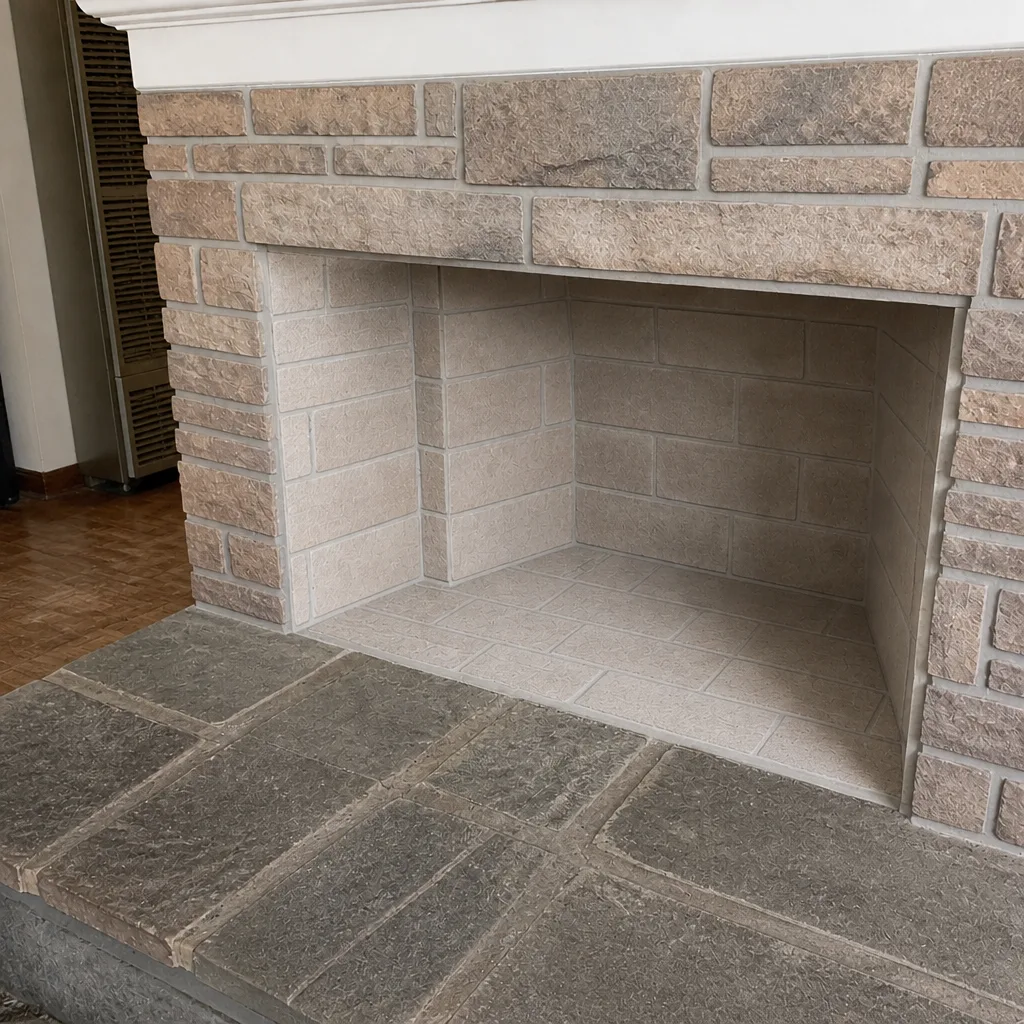
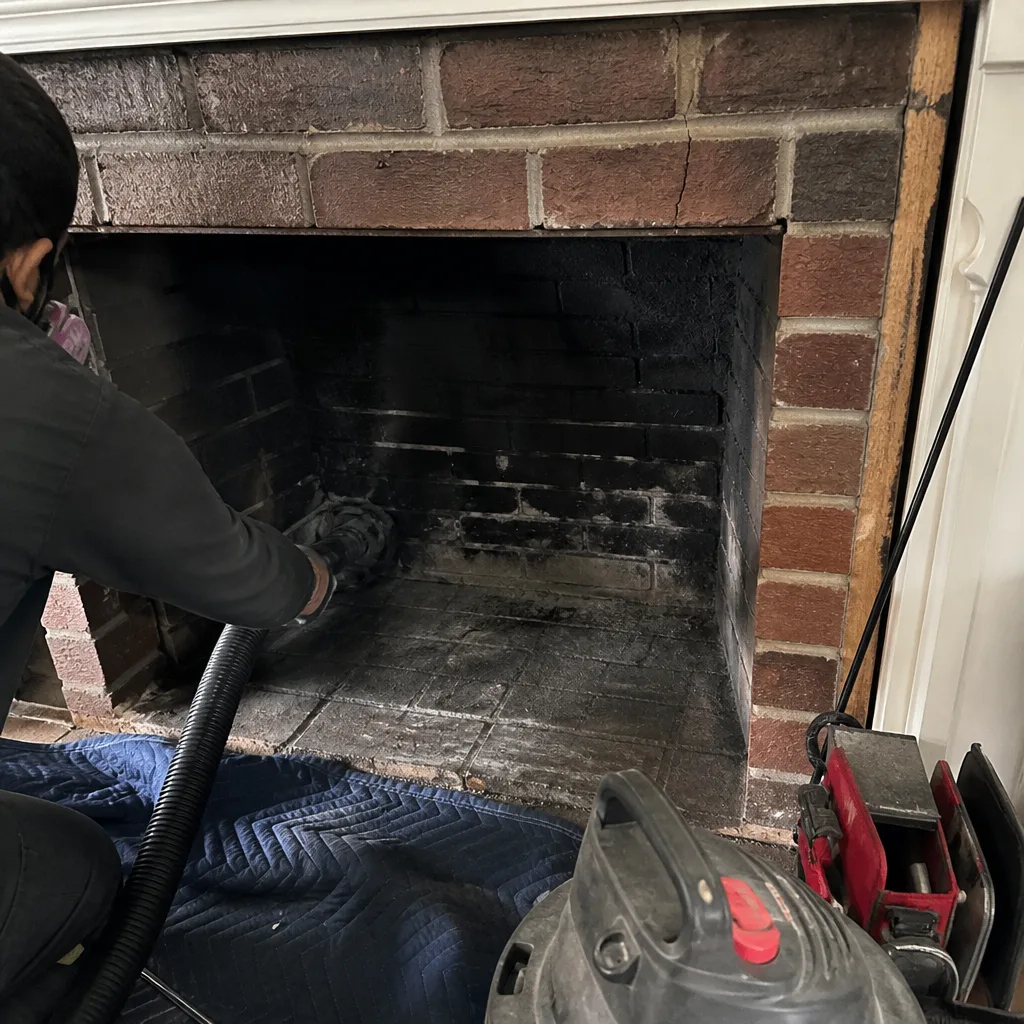
See the difference
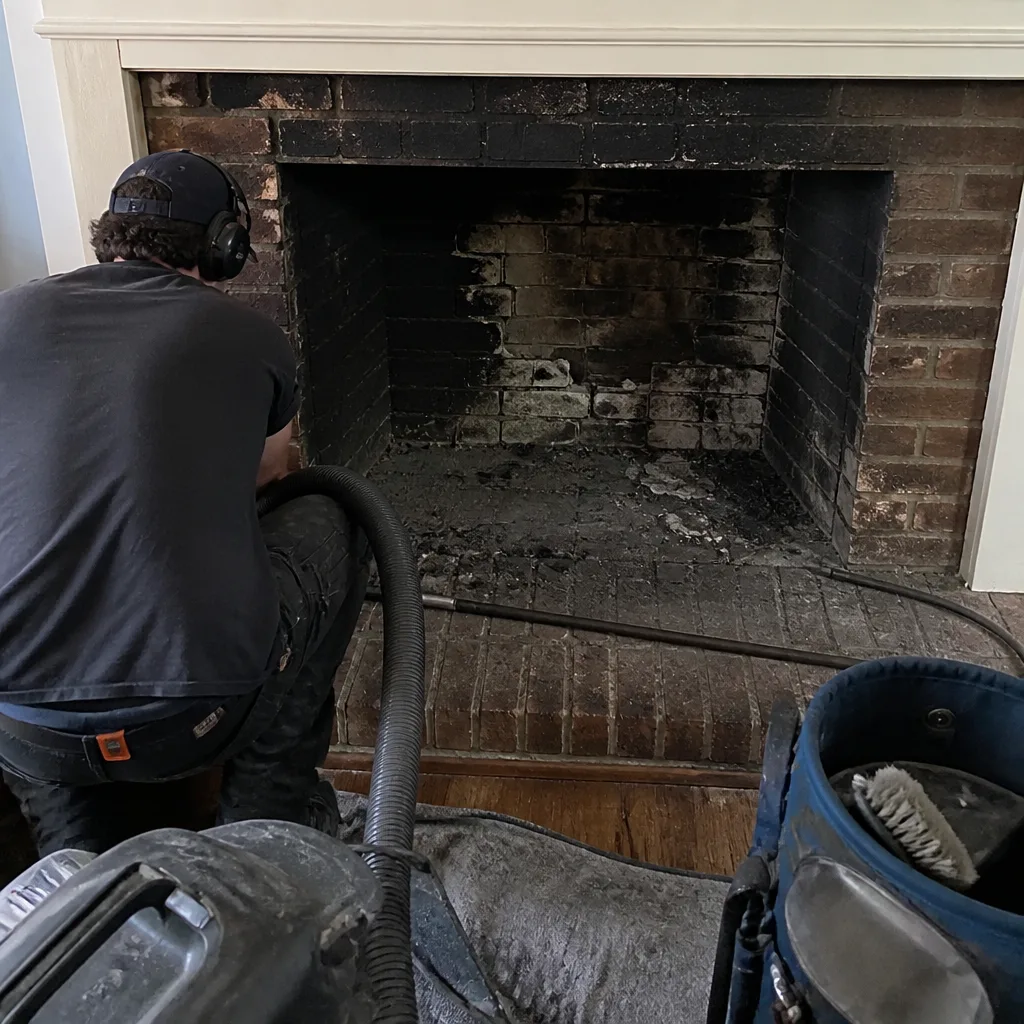 Before
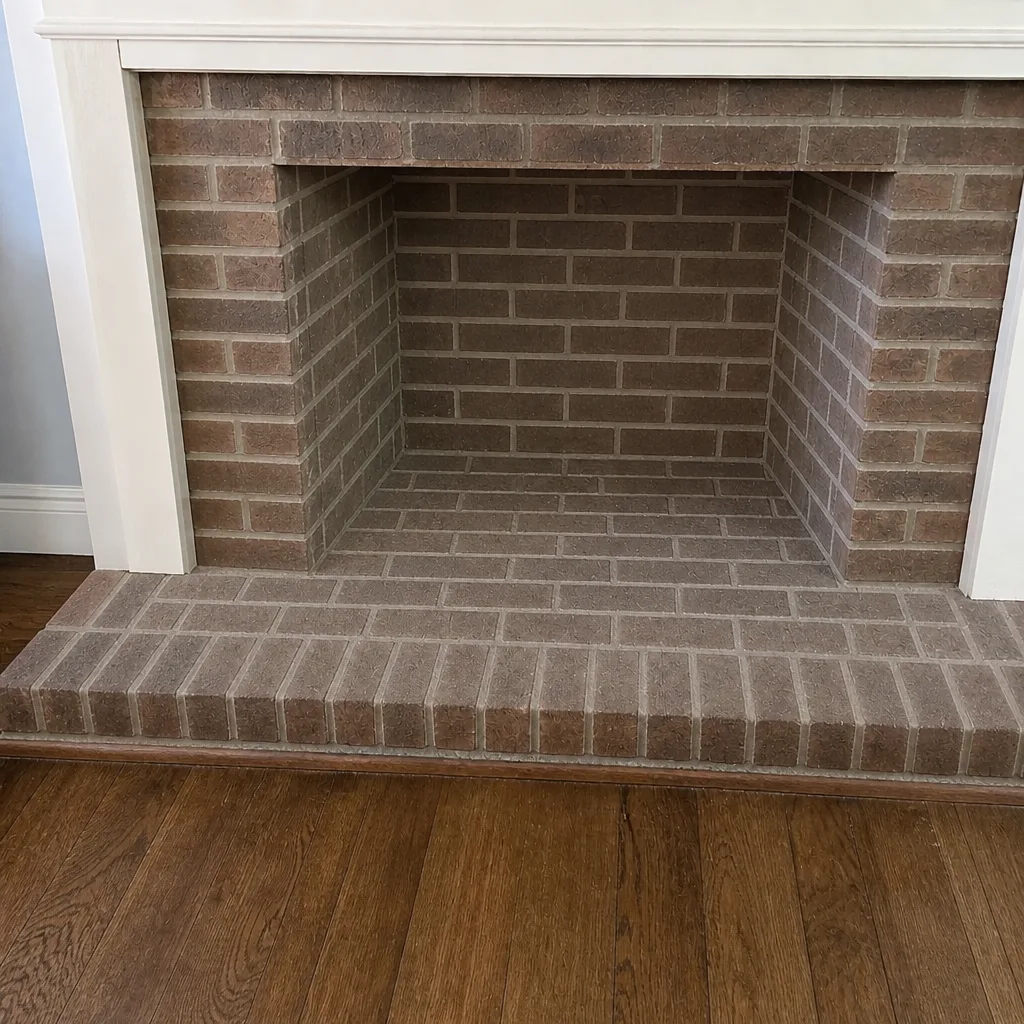 After
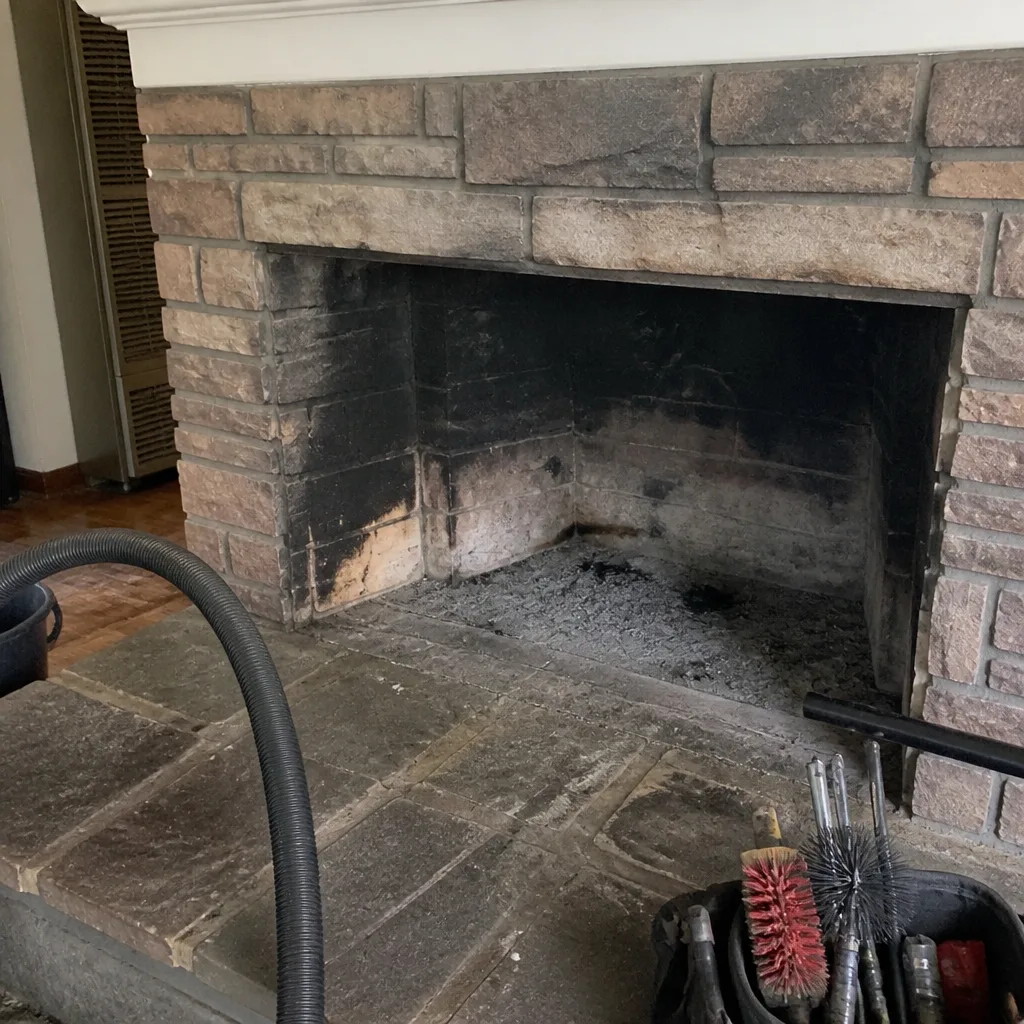 Before
 After
 Before
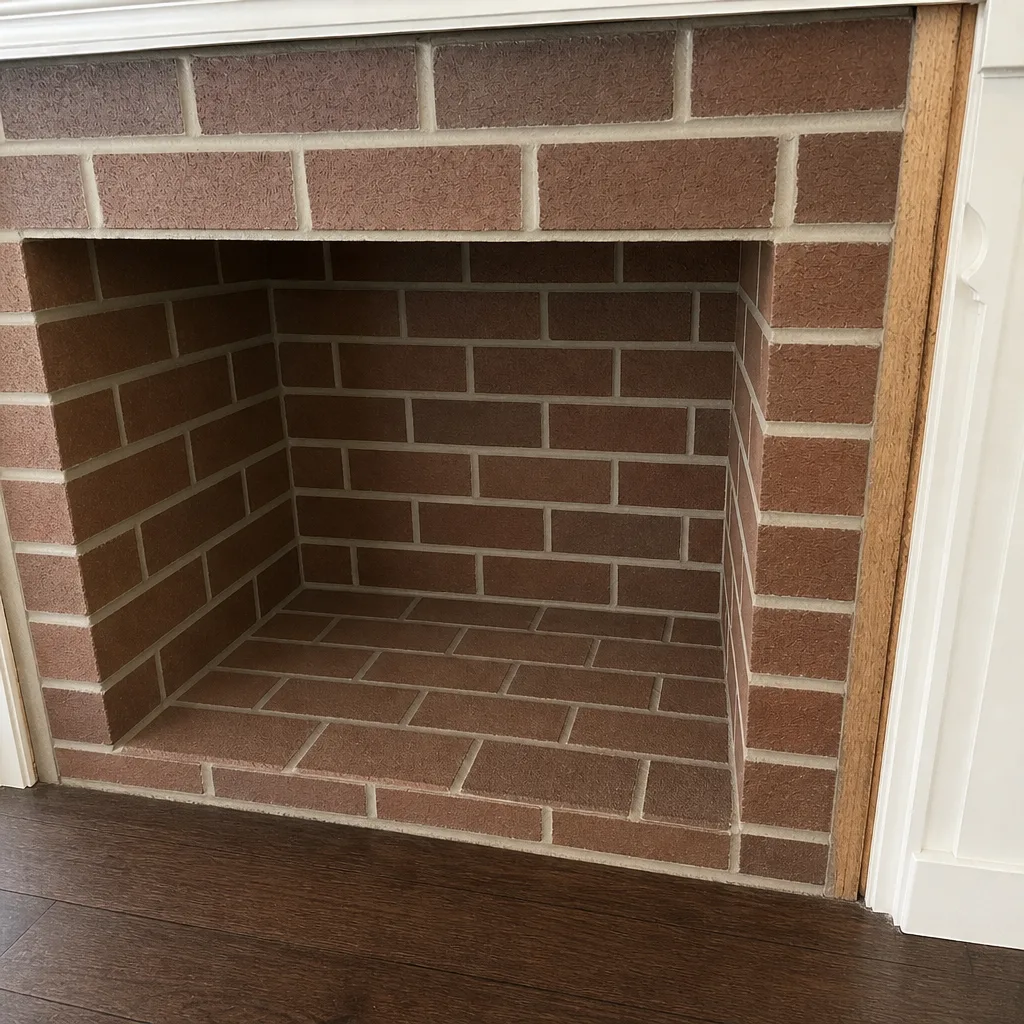 After
When to Call a Professional
Some things you can monitor yourself. Others need a trained eye. Call a professional if you notice any of the following: smoke rolling back into the room, a strong creosote smell when the fireplace isn’t lit, visible cracks in the crown or damaged flashing, efflorescence or spalling brick on the chimney’s exterior, a draft that has gotten noticeably worse, or a CO alarm that has sounded. Call before lighting a fire after moving into a home with a fireplace you’ve never used. Call if it’s been more than a year since the last sweep. And call if you’re not sure – that’s what the inspection is for.
Durham Chimney Sweep offers free estimates in Durham. Call (866) 389-3509 to schedule. We’re licensed, insured, and we’ll show you the camera evidence behind any recommendation before you commit. If a problem can safely wait, we’ll tell you that too.
Frequently Asked Questions
Once a year is the baseline for most homes that use a fireplace or wood stove regularly. Homes that burn heavily, burn unseasoned wood, or have older masonry systems may need more frequent attention. The important part is doing it before burning season, not after. Call (866) 389-3509 for an exact quote – estimates are free.
Late September through October, before the burning season starts. It closes the gap left by a humid summer and gives you time to handle any repairs before the first fire. Booking early beats the November rush.
Creosote level and condition, draft readiness, the cap, the firebox and damper, and the condition of the crown and flashing. A full inspection covers the flue from top to bottom, including the liner. We hand over a camera inspection and photo report so you can see what we found.
You can spot a lot from the ground: crown cracks, damaged flashing, spalling brick, a missing cap. Use those observations to decide when to call, but don’t rely on them as a substitute for a professional inspection. What you can’t see is the inside of the flue, and that’s where carbon monoxide and fire risk live. Give us a call at (866) 389-3509 and we’ll take a proper look.
Spring is better when the schedule allows. Winter freeze-thaw is the toughest test on a crown and masonry, and completing repairs before summer means the work is done well ahead of the next burning season. Fall works too, but the window is tighter.
Smoke rolling back into the room, a fire that suddenly won’t draft, a new or stronger creosote smell, or a CO alarm. Any of those means stop burning and get it checked. We answer 24/7, with fast dispatch from 7am to 7pm, Sunday through Friday, so a call outside those hours is booked into the next opening.
The Bottom Line
Chimney care in Durham isn’t one appointment a year; it’s a rhythm. Sweep in late September or October before burning season. Watch draft, smoke, and smell through the winter and stop burning if something changes. Inspect and repair in spring, while the weather works with you. Check the crown, cap, and flashing from the ground through the summer. Keep a simple log so every visit builds on the last. Add the dryer vent to the same schedule. Do those five things and you’ll catch the small problems while they’re still small, which is the whole point. Summer humidity and winter freeze-thaw each take a swing at your chimney, and the seasonal checkpoints are how you stay ahead of both.
Call Durham Chimney Sweep at (866) 389-3509 for a free estimate. We answer 24/7. Fast dispatch from 7am to 7pm, Sunday through Friday. We’re closed Saturday.
Written by the team at Durham Chimney Sweep, serving Durham since 2015.