
Last updated November 14, 2026
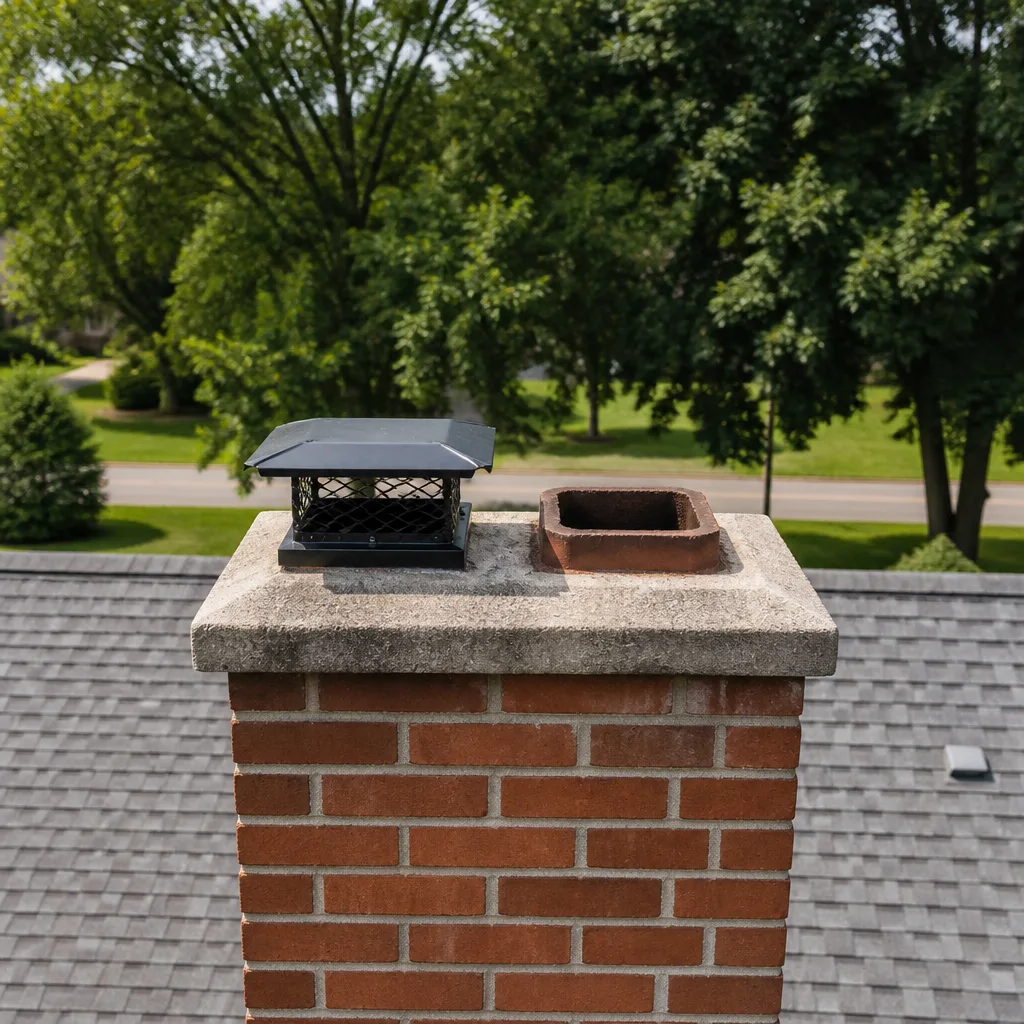 Sweep & inspection
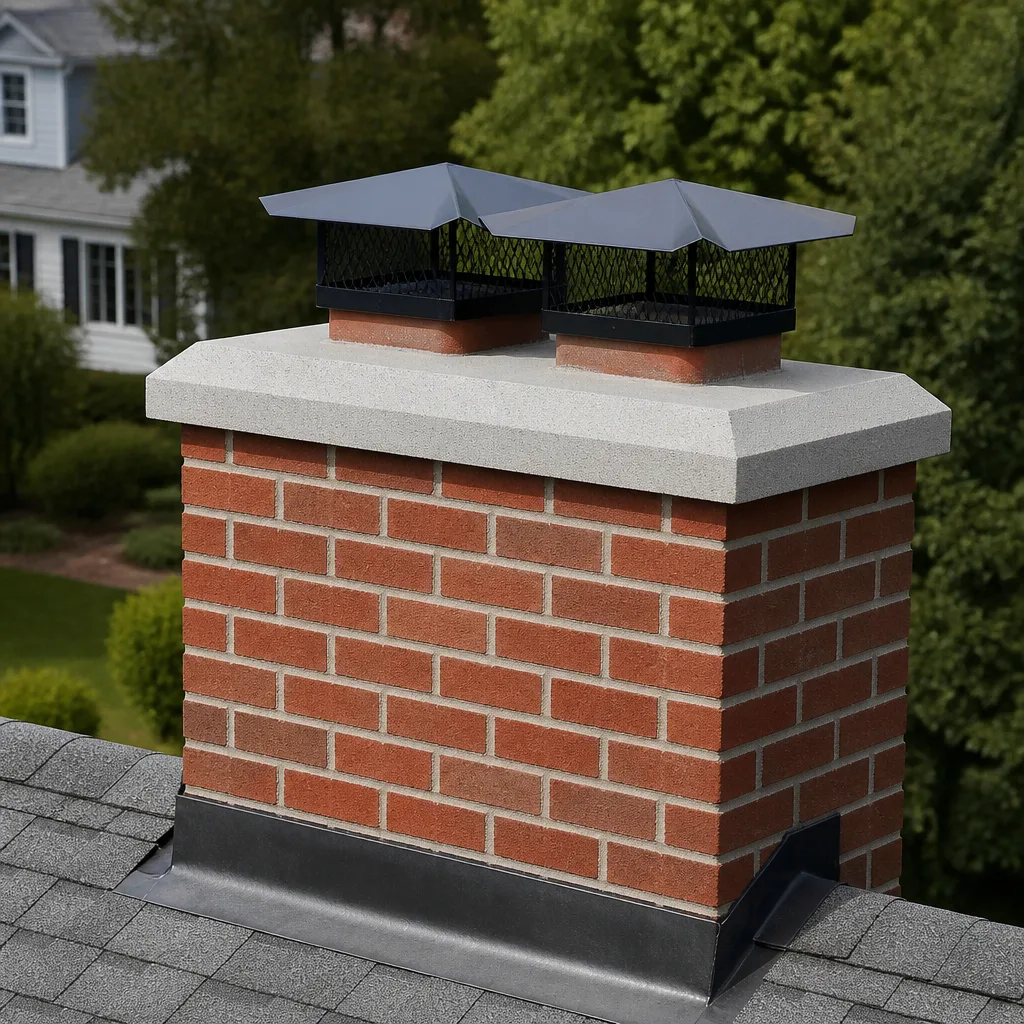 Caps & crowns
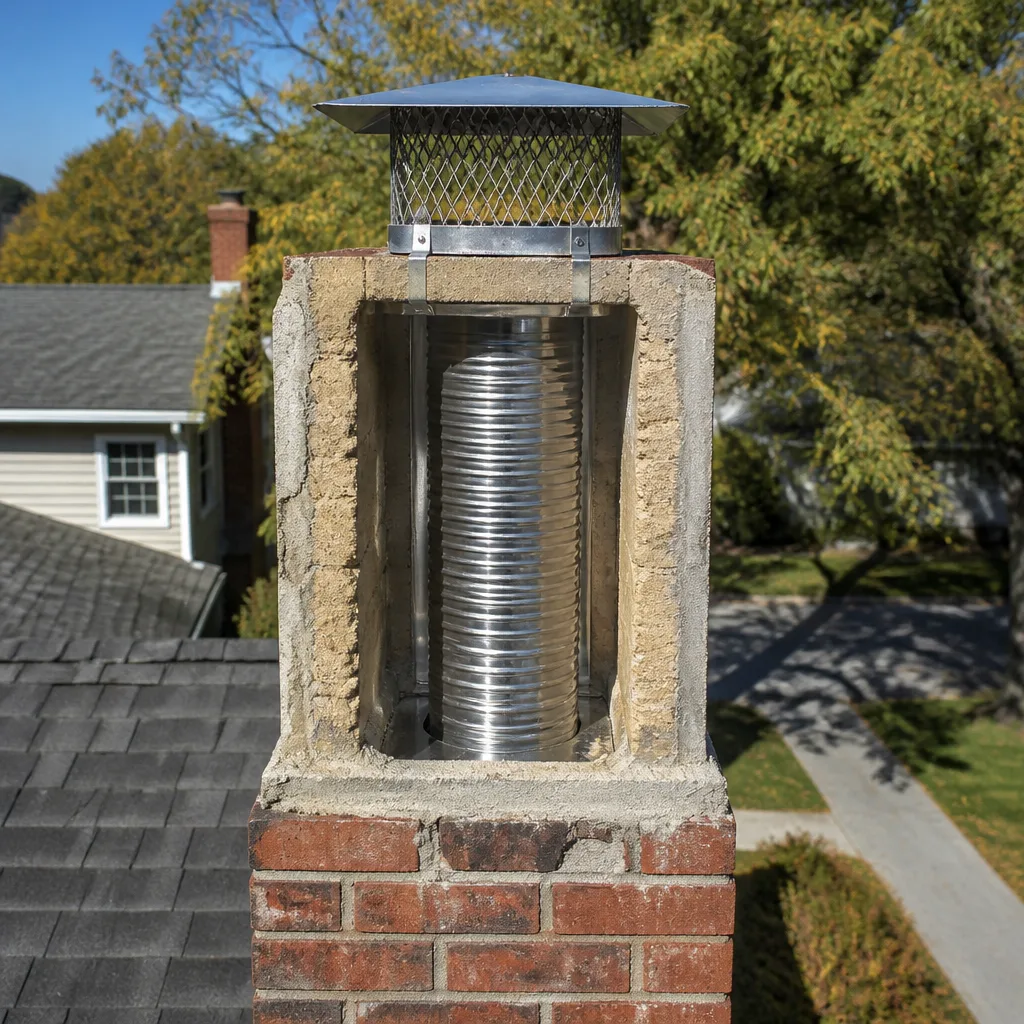 Flue relining
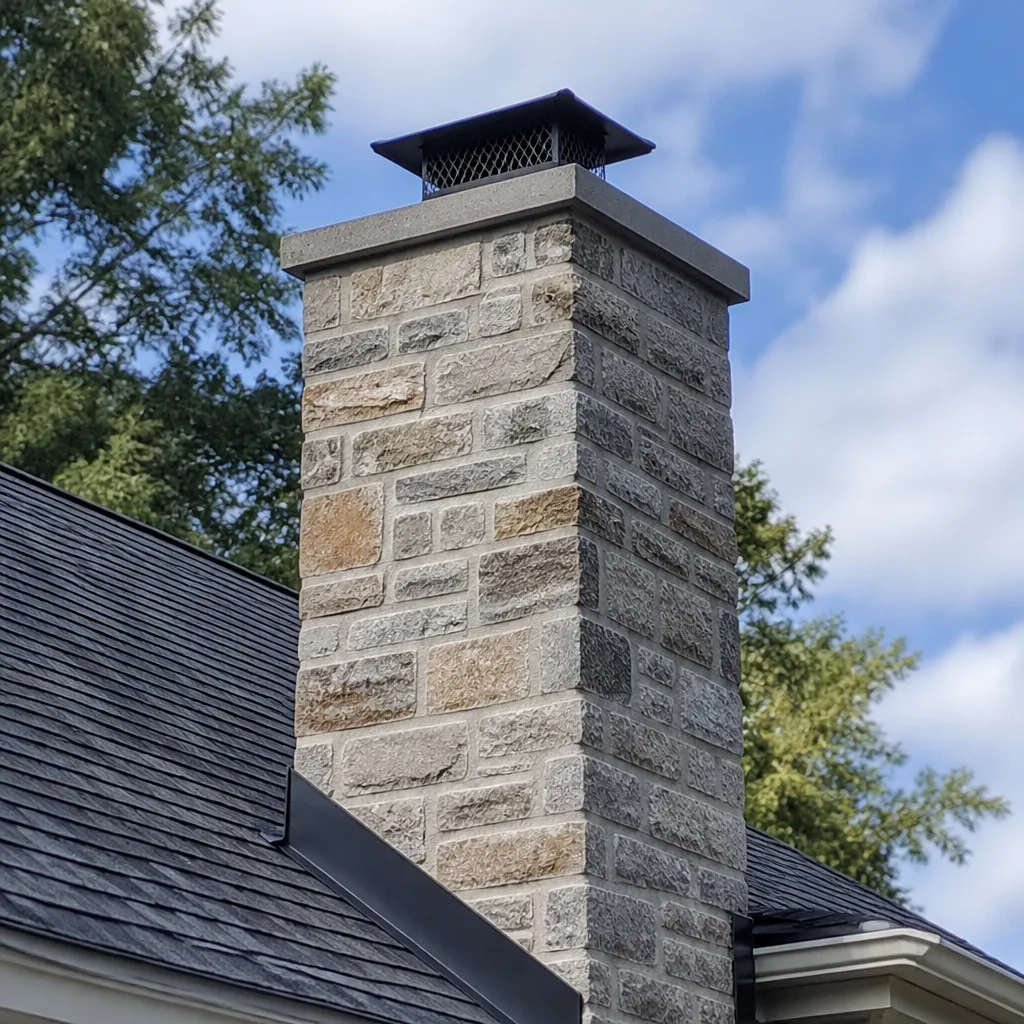 Masonry repair
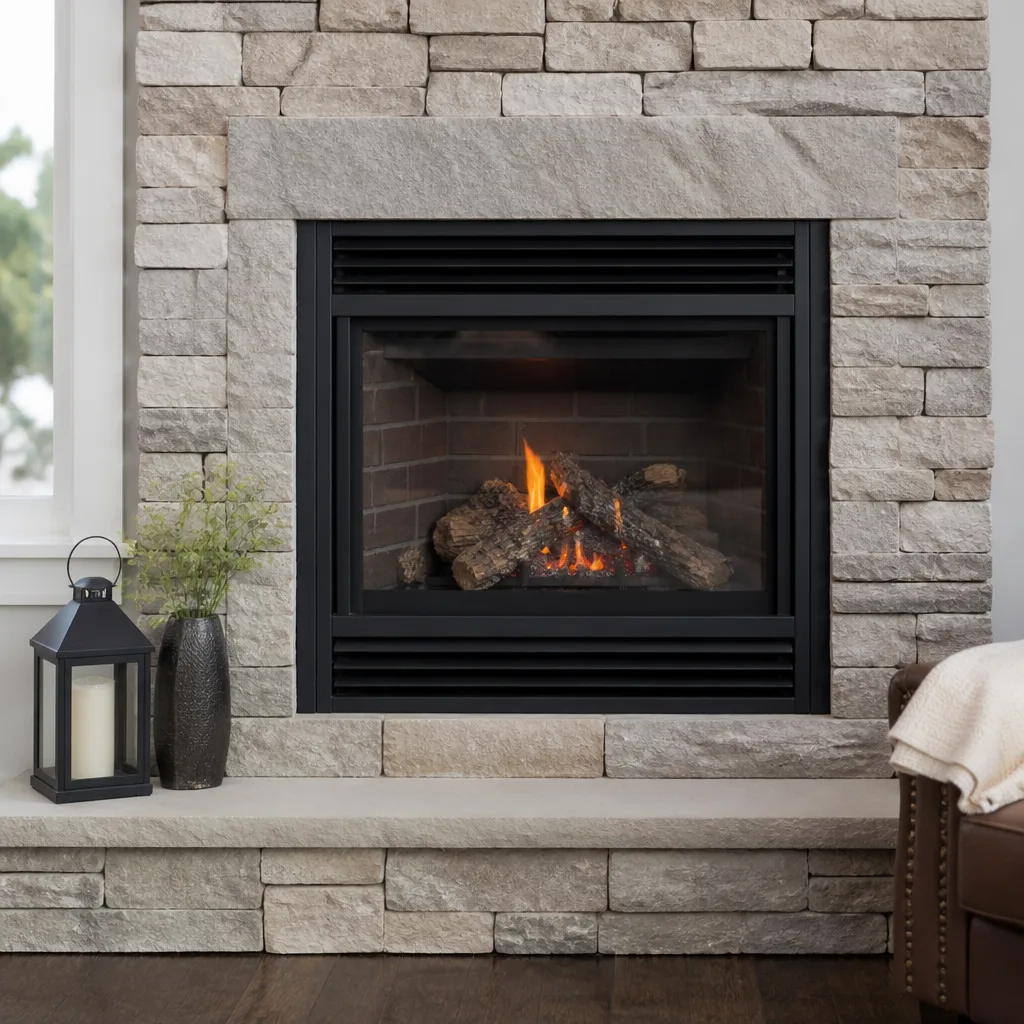 Gas fireplace service
Level 1 sweep and inspection to the NFPA 211 annual standard - flue, crown, cap, and flashing checked and photographed
Chimney sweep logs do not sweep chimneys. They loosen some creosote - which then falls where a brush and vacuum still have to collect it.
DIY vs Professional Chimney Cleaning: The Durham Homeowner’s Decision Guide
You can buy a chimney cleaning kit for under $50 and spend a Saturday making your flue look cleaner. What you cannot do with that kit is see the Stage 2 creosote glazed to the tile liner two feet above the smoke shelf, or the cracked terra cotta tile behind your first damper. That gap between appearances and reality is the whole difference between doing it yourself and hiring someone who brings a camera into the flue. This guide is not an argument that DIY chimney cleaning is always wrong. It’s a framework for understanding exactly what you can and cannot know without eyes inside the chimney, and what that blind spot can cost you down the line. If you heat with wood in Durham, the decision is more specific than most guides admit.
Quick Answer
For most Durham homeowners, professional cleaning is the right call because a proper sweep includes a camera inspection that reveals hidden fire hazards no brush can find. DIY brush sweeping is reasonable in a narrow set of cases: a flue that was professionally serviced recently, has no known defects, uses a firebox with a clear cleanout, and burns only well-seasoned wood. The moment your home has an older masonry chimney, a prefab insert, a wood stove, or any question about creosote buildup, professional inspection becomes the safer and, over time, cheaper choice.
Styles & brands we work with
- Sweep & inspection
- Caps & crowns
- Flue relining
- Masonry repair
- Gas fireplace service
Table of Contents
- What DIY chimney cleaning actually involves
- When DIY chimney cleaning is genuinely reasonable
- What a professional camera inspection reveals that you can’t see
- Creosote degrees and why the difference matters for fire risk
- How Durham’s housing stock changes the DIY risk calculation
- The liability math: chimney fire damage vs annual sweep cost
- What a professional sweep includes, step by step
- The dryer vent parallel most homeowners miss
What DIY Chimney Cleaning Actually Involves
A chimney cleaning kit typically includes a polypropylene brush sized to your flue, a set of flexible fiberglass rods, and sometimes a plastic sheet or tarp for containment. That’s the equipment. Here’s what using it looks like:
- Prep the room. You lay drop cloths over furniture and floor, seal the fireplace opening with plastic, and tape off the surround. In a Durham home with original hardwood floors or wool rugs, this step matters more than most guides admit.
- Get on the roof. For a top-down sweep, you carry the brush and rods up a ladder, then lower them down the flue. Roof pitch, height, weather, and your own comfort with heights all factor in. Many older Durham homes have steep pitches and slate or metal roofing that makes footing uncertain.
- Or work from the bottom. A bottom-up sweep requires a cleanout door at the base of the chimney. Older Durham homes often have them, newer prefab units usually don’t.
- Brush the full run. You push and pull the brush through the entire flue, from firebox to cap. Sections that are glazed, offset, or partially blocked resist the brush and may not clear at all.
- Vacuum and clean up. A shop vac rated for fine ash is not the same as a HEPA vacuum with a closed system. Creosote dust settles into everything, and the smell lingers for days.
- Dispose of what you pulled down. Soot and creosote are messy and can be hazardous to handle.
Expect two to four hours for the sweep itself, plus setup and cleanup. In our experience, the mess is what surprises most first-time DIYers. Even with good containment, fine ash gets into the room. A professional sweep uses a closed vacuum system and containment that keeps the room clean, and disposes of the creosote and soot on site.
When DIY Chimney Cleaning Is Genuinely Reasonable
DIY is reasonable in a narrow, specific set of conditions. If all of the following are true for your home, a basic maintenance sweep is something you can do yourself between professional inspections:
- Your flue was professionally cleaned and inspected within the past year with no defects found.
- You burn only well-seasoned hardwood and never burn trash, cardboard, or resinous softwood.
- Your firebox has an accessible, intact cleanout door.
- You have a safe way to access the roof, or a bottom-up route that doesn’t require it.
- Your chimney has no known offsets, liner liners in poor condition, or visible structural problems.
- You own or can borrow the right size brush for your flue (get the size wrong and you’ll either scratch a liner or leave creosote behind).
None of those conditions apply to the majority of Durham homes we work in. The city’s older neighborhoods, including Trinity Park, Watts-Hillandale, and Forest Hills, have masonry chimneys built decades ago that have seen multiple owners, appliance changes, and deferred maintenance. A brush run through an older clay-tile flue gives you the illusion of cleanliness. The condition of the tile itself, the mortar joints, the smoke chamber, and the crown is another story, and none of it is visible to you without a camera.
What a Professional Camera Inspection Reveals That You Can’t See
A closed-circuit camera fed down the flue shows a technician things no brush, flashlight, or mirror will. This is not a marketing point. It’s the physical difference between looking at a chimney and inspecting one. When we inspect a Durham flue, the camera shows us:
- Stage 2 and Stage 3 creosote. Stage 2 is glazed and puffy, and it will not come off with a standard brush. Stage 3 is a hardened, tar-like glaze that requires chemical treatment or liner replacement. Both are serious fire risks and both are largely invisible from the firebox.
- Cracked or spalled terra cotta tiles. A cracked tile behind the first damper can let heat or embers reach the wood framing of the house.
- Offset flues. Many older Durham chimneys bend as they rise. A brush can pass through an offset and leave a shelf of creosote below it.
- Missing mortar joints. Gaps between tiles can allow combustion gases to seep into the chimney cavity.
- Deteriorated liners and disconnected flue sections. In prefab units, sections can separate, and the camera finds it.
- Crown and cap condition. Water intrusion through a failed crown is the number one cause of long-term chimney damage, and the damage starts inside.
Those findings change the decision. A Stage 2 creosote finding moves you from cleaning to treatment or relining. A cracked tile moves you from “sweep it next year” to “let’s fix this before you light another fire.” HeatShield resurfacing is one example of a repair we can plan for when the camera shows a deteriorating flue that doesn’t yet require full relining, and DuraFlex flexible liners handle flues that do. Without the camera, none of this can be scoped correctly.
Creosote Degrees and Why the Difference Matters for Fire Risk
Creosote is the residue of incomplete combustion, and it builds up in three recognizable forms. The distinction matters because each form requires a different response, and only one of them comes off with a standard brush.
- Stage 1: soot and light flaky residue. Brushable. This is what a routine sweep removes, and it’s the normal condition of a chimney that burns hot and dry wood.
- Stage 2: puffy, glazed creosote. It forms when flue temperatures stay low, which happens with damp wood, a cold flue, or a smoldering fire. It resists standard brushing and is the leading fuel source for chimney fires.
- Stage 3: hardened, tar-like glaze. This is what we mean by “glazed to the tile liner.” It requires chemical treatment or replacement of the liner. A brush alone cannot touch it.
Durham’s climate contributes here. Winters bring cold overnight temperatures and short days, and many homeowners feel the fire in the evening and let it burn low. A slow, cool fire combined with the popular practice of burning freshly cut wood produces exactly the conditions where Stage 2 creosote forms quickly. You can’t tell from the warmth of the room whether the flue has glazed. That’s the fundamental limit of a DIY inspection: a warm firebox tells you nothing about the inside of the flue above the damper.
How Durham’s Housing Stock Changes the DIY Risk Calculation
Durham’s mixture of old and new construction means the DIY question has different answers depending on where your home is. In neighborhoods like Trinity Park, Watts-Hillandale, Old West Durham, and Forest Hills, you’ll find original masonry chimneys built decades ago. These systems have more failure modes than modern fireplaces. Every year they operate, clay tile cracks, mortar erodes, crowns worsen, and previous owners may have added appliances or made amateur repairs that are long forgotten.
In newer Durham neighborhoods on the south and west sides, prefab fireplaces and gas inserts are common. Prefab systems have their own risks: flue sections that separate, liners that deteriorate faster than masonry, and manufacturer requirements about which brush and cleaning method is acceptable. A brush sized for a masonry flue can damage a thin prefab liner. A homeowner may not recognize the difference between the two systems when buying a kit. Gas inserts add a different consideration entirely: an inspection is still needed to confirm venting, but the creosote risk is much lower and the immediate fire hazard is more about carbon monoxide than chimney fire.
The risk calculation also changes with the change of seasons. Summer is the right time to have a chimney swept so the work is done before the first cold snap, and it’s also the time a failed crown or a water-intrusion issue is easiest to fix. If you’re weighing a DIY sweep, the decision depends on which chimney you actually have, not on a generic rule about doing it yourself. That’s why we ask what kind of flue a caller has before we recommend anything, and it’s why we offer a chimney sweep with a camera inspection built into the visit.
The Liability Math: Chimney Fire Damage vs Annual Sweep Cost
This is the part most comparisons skip. A chimney fire is not a small event. It’s a structural event that can breach the flue, spread to framing, and compromise the roof. Damage from even a contained chimney fire can run into the tens of thousands of dollars once you add fire department response, structural repair, and the disruption of living elsewhere during the work. A professional annual sweep costs a modest amount by comparison, and that’s the point: the cost of prevention is not of the same magnitude as the cost of one failure.
Insurance behavior adds a factor. Homeowners’ insurers ask about documented professional service history when a chimney fire claim comes in. A file of annual sweeps with inspection reports, photos, and any repairs recommended and completed is a very different submission from no records at all. We can’t promise what any insurer decides, but we can say plainly that documentation is what an adjuster works from. Maintaining a service history with a company that provides it is a practical benefit of professional work that a DIY homeowner simply doesn’t have.
The cost of a sweep is set per job by a written estimate, so you know the number before you book. And if the camera shows that the hazard is real, having a repair team already familiar with your chimney is faster than starting over with a new provider. We work with brands chimney specialists use for exactly this reason: HeatShield for liner resurfacing and DuraFlex for flexible relining when the flue is past restoration. We repair what we find, so you don’t need a second company.
What a Professional Sweep Includes, Step by Step
Here’s what a professional chimney sweep in Durham actually looks like when you call us:
- Ask before we arrive. We confirm what kind of system you have (masonry, prefab, wood stove, gas insert) so the right tools and brushes come with us.
- Inspect before we sweep. A camera inspection and a visual review of the firebox, damper, smoke chamber, and cap establish what’s there before any brush touches the flue.
- Contain the work area. We use drop cloths and a closed vacuum system so the room stays as clean as we found it.
- Sweep the full flue. The flue is brushed from top to bottom or bottom to top, depending on access, with the right brush for the material.
- Re-inspect. After the sweep, the camera runs again to confirm what’s gone and what’s left. Stage 2 or Stage 3 creosote that survived the brush becomes a repair conversation, not a guess.
- Report and estimate. You get the findings in plain language. If a repair is needed, you get a written estimate for that specific job. The price is set by that estimate, not a call-out number.
- Clear the site. We remove soot, creosote, and debris. You see what we found and what we recommend.
The distinction to take away from this process is the double inspection: one before and one after. A DIY sweep has neither. You can’t compare before and after, and you can’t verify that the brush did what you hoped it did. If the decision comes down to whether you can see what’s actually happening, the camera inspection is the deciding factor in almost every case, and it’s why we recommend a professional sweep each year rather than cleaning only when you remember.
The Dryer Vent Parallel Most Homeowners Miss
Dryer vents and chimneys share one job: safely moving heat and combustion byproducts out of your home. That’s why we treat them as part of the same safety picture. A lint-clogged dryer vent is a recognized fire hazard and one of the most common hidden ones in a house, because lint builds up where you can’t see it, exactly like creosote. A dryer vent cleaning often finds a duct that was never properly routed, is crushed behind the dryer, or has a screen at the exterior wall that traps lint instead of letting it escape.
The parallel is useful for the DIY decision. A homeowner can pull the dryer vent hose off and reach their arm into the first few feet. They can’t reach the whole run, especially behind a wall or under a floor. The same logic applies to the chimney: you can reach the part you can see, and the part that matters is the part you can’t. When we book a sweep, we can also check the dryer vent, an important fire safety service that general contractors and handymen don’t focus on.
Common Mistakes to Avoid
- Assuming the firebox looks clean means the chimney is clean. The visible part of your chimney is the least informative part. The dome of soot and creosote you see from your living room says nothing about what’s on the flue above the damper.
- Burning wet or unseasoned wood. This is the single largest driver of Stage 2 creosote. Wood that hisses and steams in the fire has too much moisture, and the heat from burning it is going up the chimney with heavy creosote deposits behind.
- Using the wrong sized brush on a prefab liner. Prefab and masonry flues take different brushes. A brush that’s too big can scrape and damage a lining, and a brush that’s too small leaves the residue that matters most.
- Skipping the camera inspection because the chimney “seems fine.” A flue can have cracked tiles and gaps and burn without obvious signs until the night it doesn’t. This is especially true in older Durham masonry chimneys.
- Ignoring the crown and the cap. Water is the slow destroyer of Durham chimneys. A failed crown lets water into the chimney structure and starts freeze-thaw damage through the winter.
- DIY after a chimney fire. If you’ve had even a small flue fire, the liner may be cracked and the flue may need a professional inspection before any fire is lit again. A brush is not going to tell you that.
- Trying to fix a glazed flue with a standard sweep. Stage 2 and Stage 3 creosote require treatment, relining, or resurfacing products like those from Olympia Chimney or Gelco. A brush will skip across the glaze and leave the hazard behind.
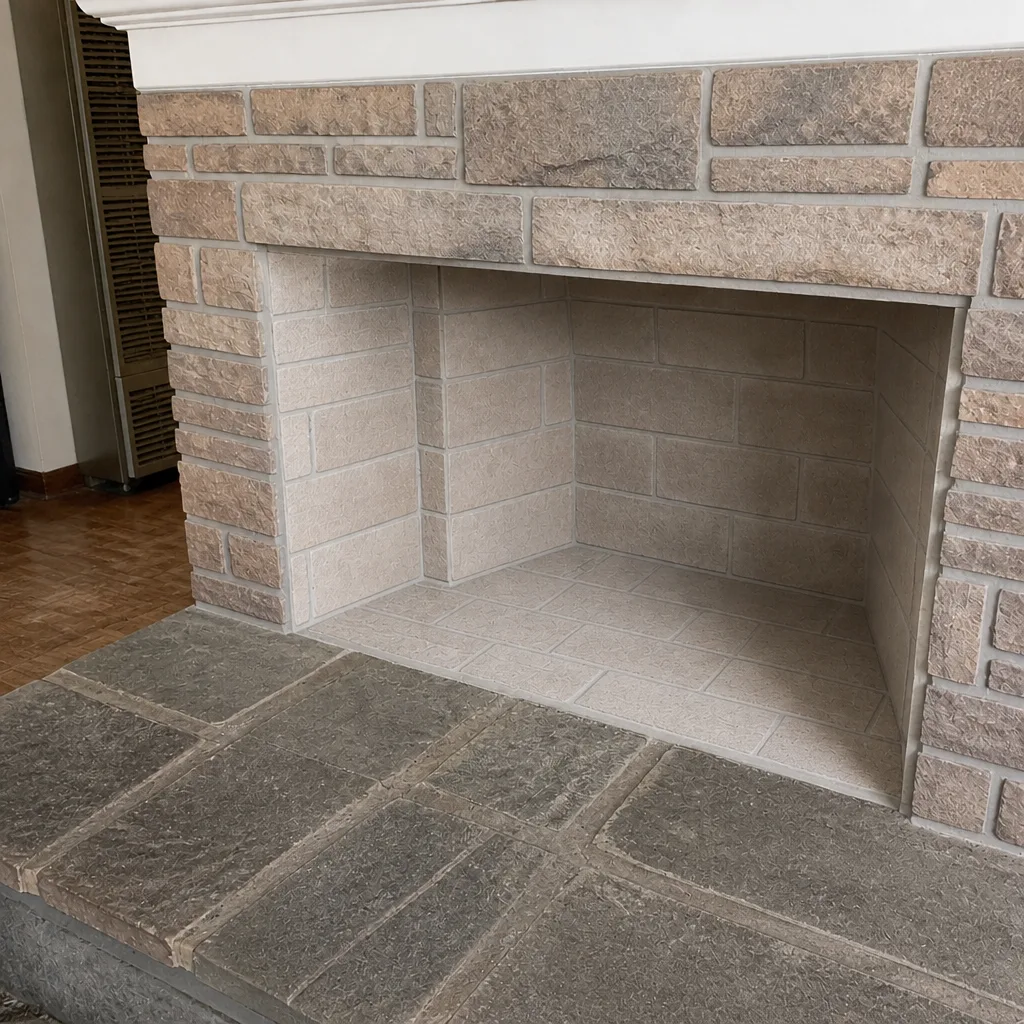
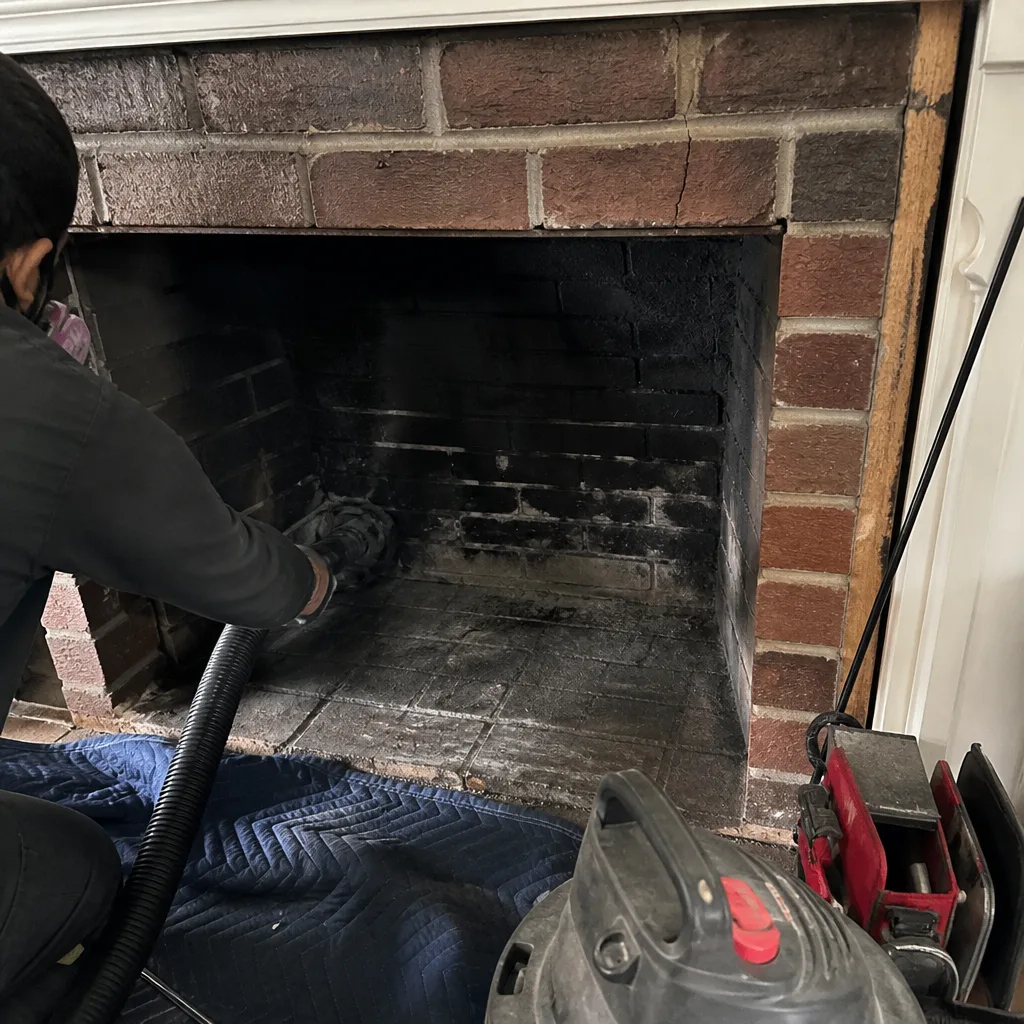
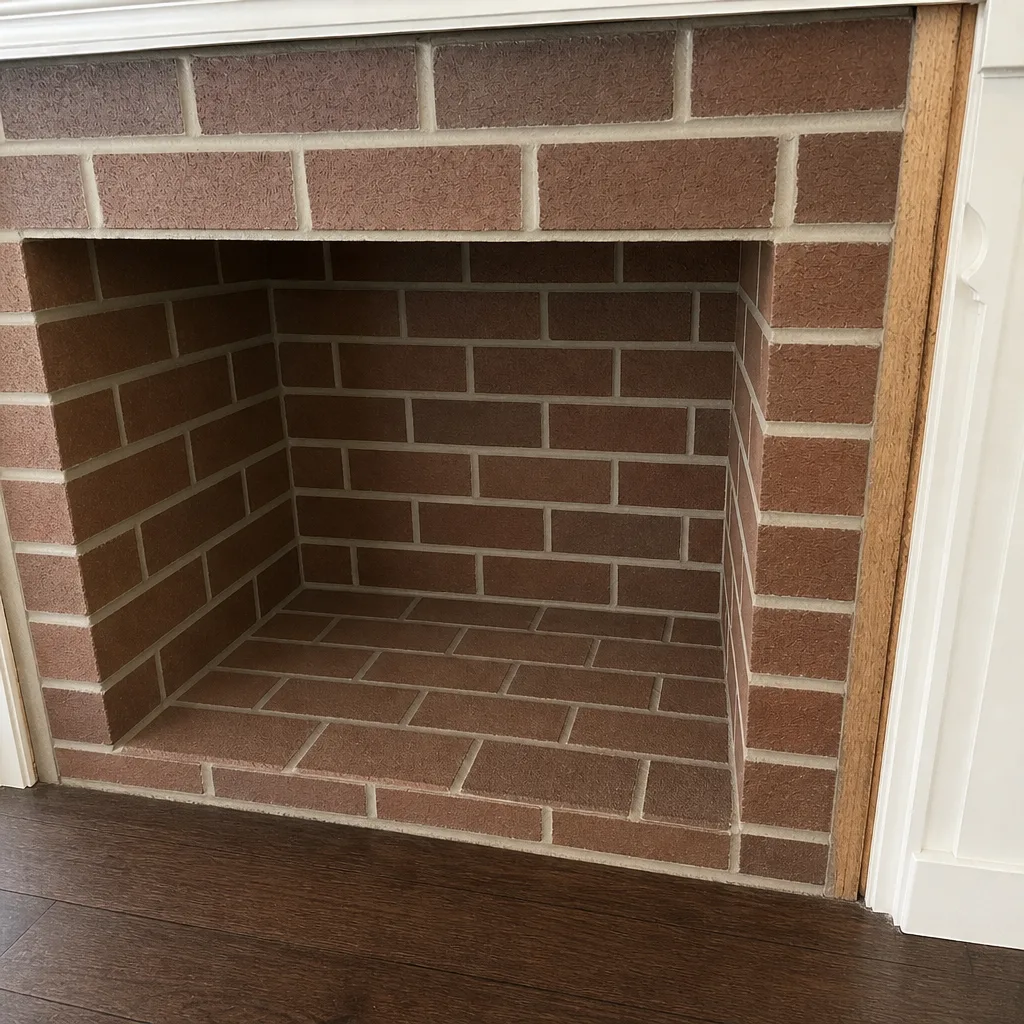
See the difference
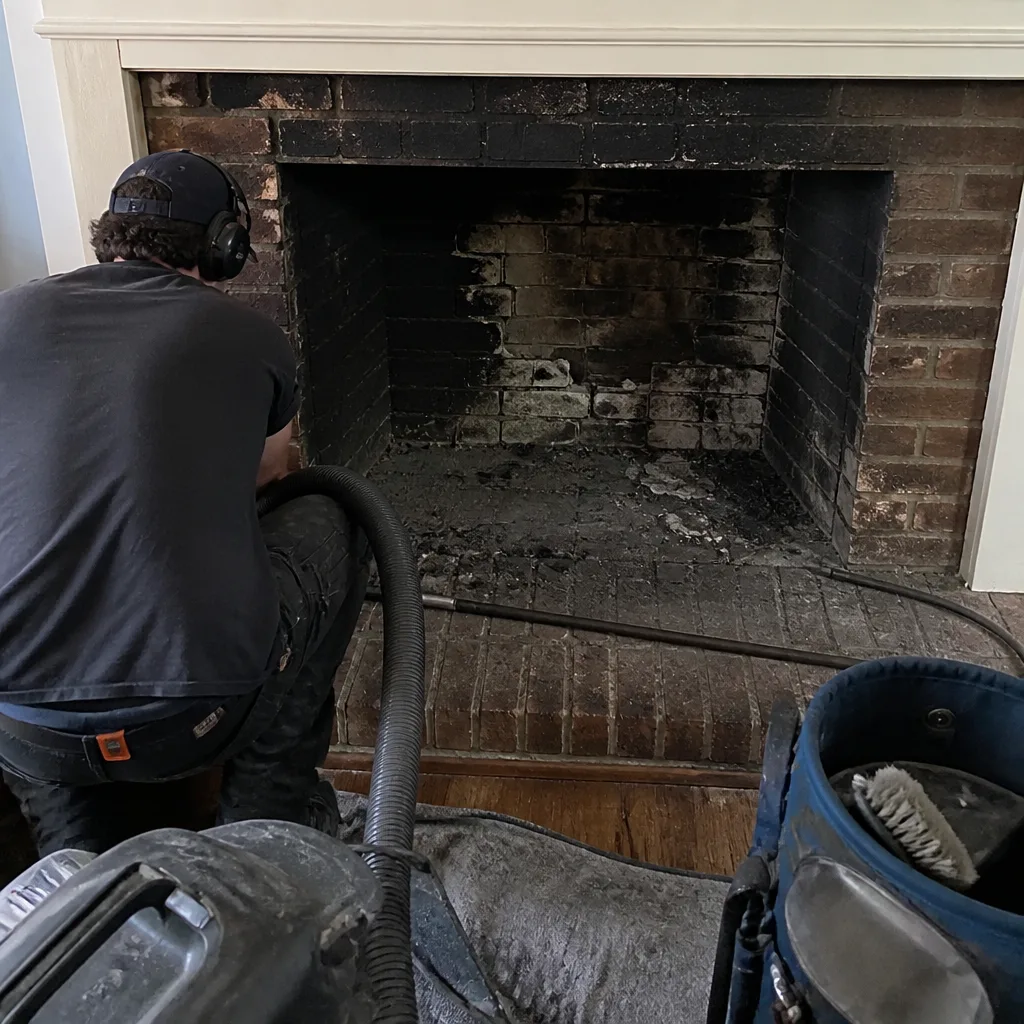 Before
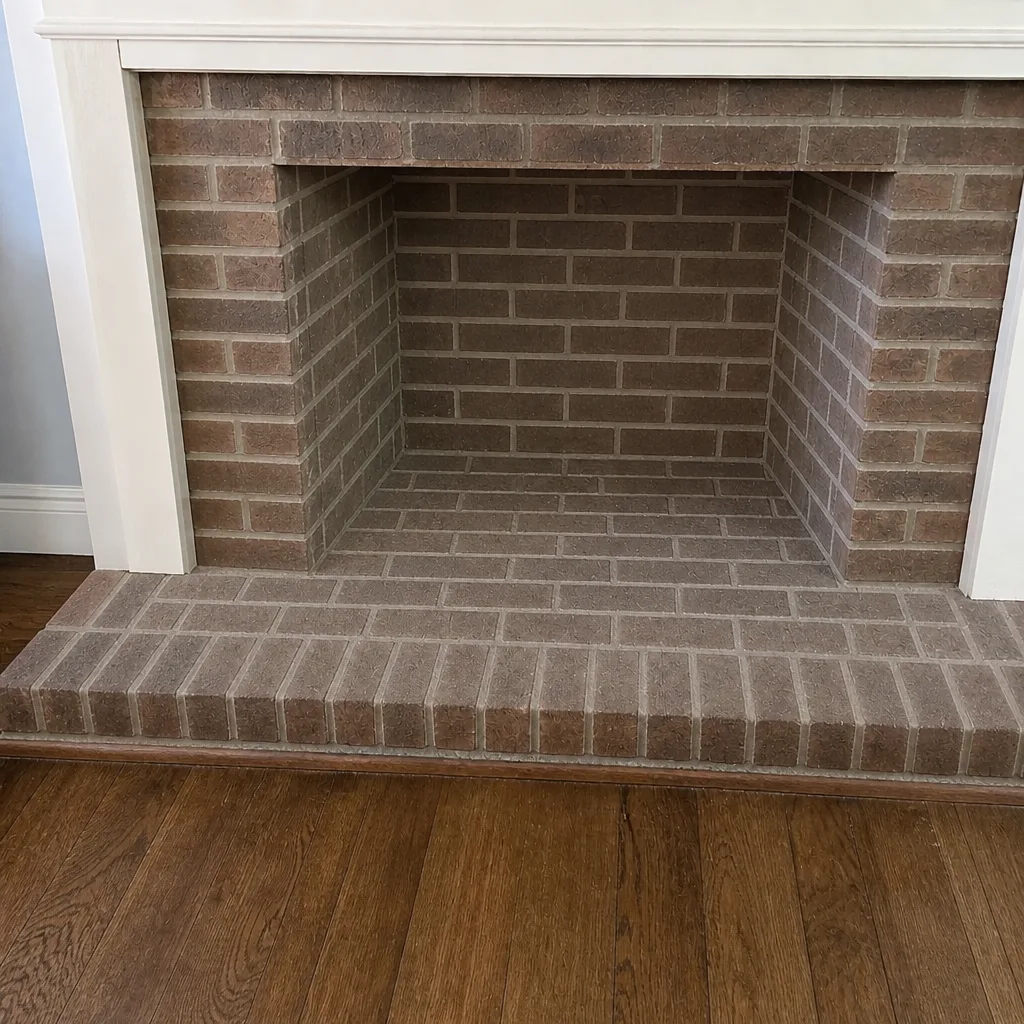 After
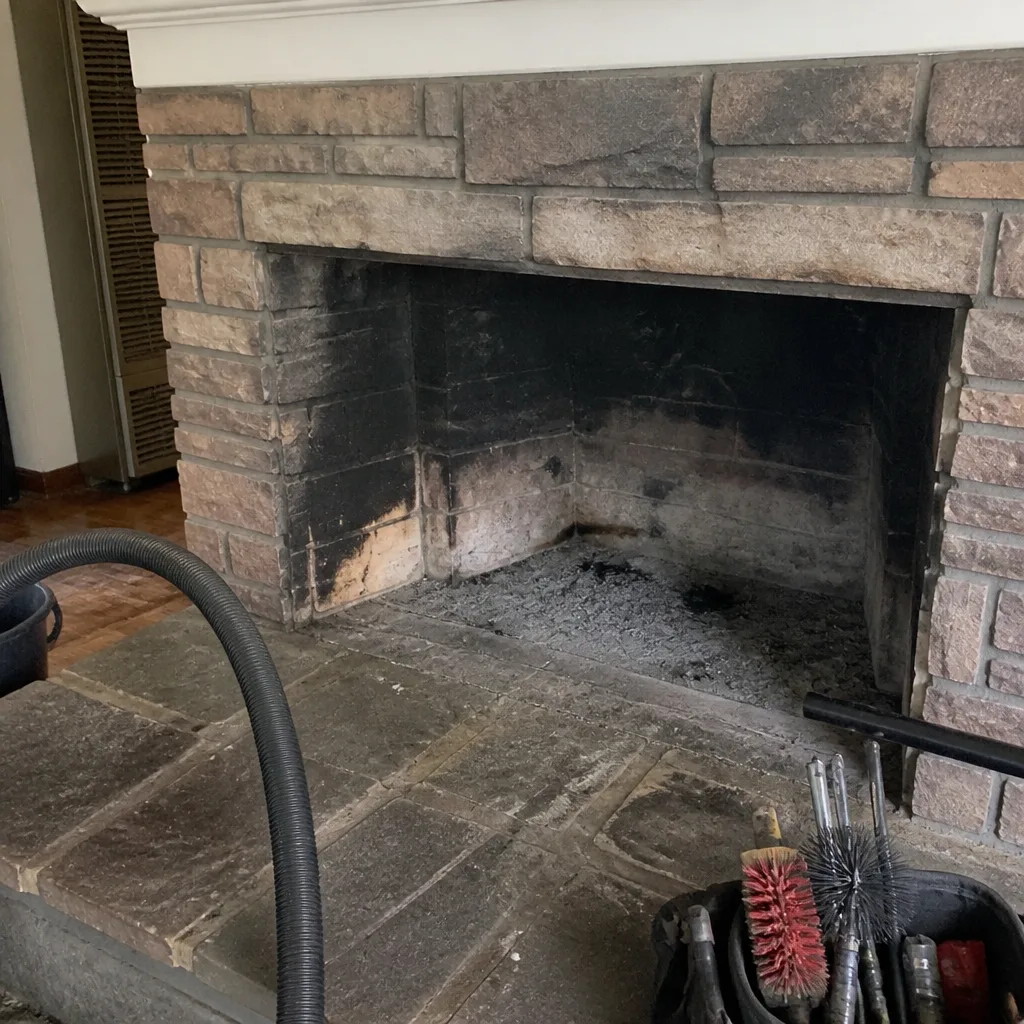 Before
 After
 Before
 After
When to Call a Professional
Call a professional in these situations: you’ve never had the chimney inspected and just bought a home in Durham with an existing fireplace; you burn wood frequently or use a wood stove; you see or smell smoke in the room when the fire is going; you notice creosote flaking on the damper or firebox; you’ve had a chimney fire, however small; you’re switching fuels or adding a gas insert; or the last cleaning was more than a year ago. In any of those cases, the sweep isn’t routine, it’s diagnostic. Durham Chimney Sweep offers free estimates in Durham, and we can work with your insurer when repair documentation is needed. Call (866) 389-3509. We answer 24/7. Fast dispatch from 7am to 7pm, Sunday through Friday. You can also learn more about the full range of work we do on our home page at Durham Chimney Sweep.
Frequently Asked Questions
You can clean your own chimney if it was professionally inspected within the last year with no defects found, has an accessible cleanout, and burns only well-seasoned wood. For most Durham homes, especially older masonry chimneys in neighborhoods like Forest Hills or Watts-Hillandale, professional cleaning is the safer choice because it includes a camera inspection that reveals hazards a brush can’t. Call (866) 389-3509 for a free estimate.
The cost is set per job by a written estimate, so it depends on your system and what’s found during inspection. The number is confirmed before any work begins, and the estimate itself is free. Call (866) 389-3509 and we’ll quote the job for your chimney.
We inspect with a camera on every sweep because the camera is what tells us the real condition of the flue. It reveals cracked tiles, gaps, Stage 2 creosote, and separated flue sections that no brush or flashlight can find. The inspection is included because a sweep without it is a guess. Call (866) 389-3509 to book one.
Once a year for most homes that burn wood regularly, and more often if you burn a lot of fires or use an older masonry chimney. If you burn unseasoned wood or notice smoke in the room, don’t wait for the annual mark, call sooner. Call (866) 389-3509 for an exact quote and a free estimate.
Creosote accumulates on the flue walls, and when it builds to Stage 2 or Stage 3, the next hot fire can ignite it. That’s a chimney fire, and it can breach the flue and reach the framing of your house. The sweep is the low-cost part of this equation. Call (866) 389-3509 to schedule one.
It does, because both handle the same job: moving heat and combustion byproducts out of your home safely. A clogged dryer vent is a recognized fire hazard, and it’s checked with the same mindset as a flue. We handle dryer vent cleaning as part of our service, and you can book it alongside a chimney sweep. Call (866) 389-3509 for a free estimate.
The Bottom Line
DIY chimney cleaning isn’t wrong in every case. It’s reasonable for a well-maintained, recently inspected flue with an accessible cleanout and a habit of burning dry wood, and it’s a fair way to save money if you can accept that you’re cleaning without seeing. But “cleaning without seeing” is the core limitation, and the hazards that matter, glazed creosote, cracked tiles, failing liners, and water intrusion, are precisely the ones you can’t see from the living room. For most Durham homeowners, especially those with older masonry chimneys, professional cleaning with a camera inspection is the better decision because of what it finds, not because of the brush. We’re a full-service chimney company, and we can handle the sweep, the dryer vent, and any repair without passing you to someone else. If you’re ready to stop guessing, we can look at the flue and tell you what’s there. Call (866) 389-3509 for a free estimate, and if you’re new to the area, you can learn more about Durham and how we work in it.
Written by the team at Durham Chimney Sweep, serving Durham since 2015.