
Last updated November 14, 2026
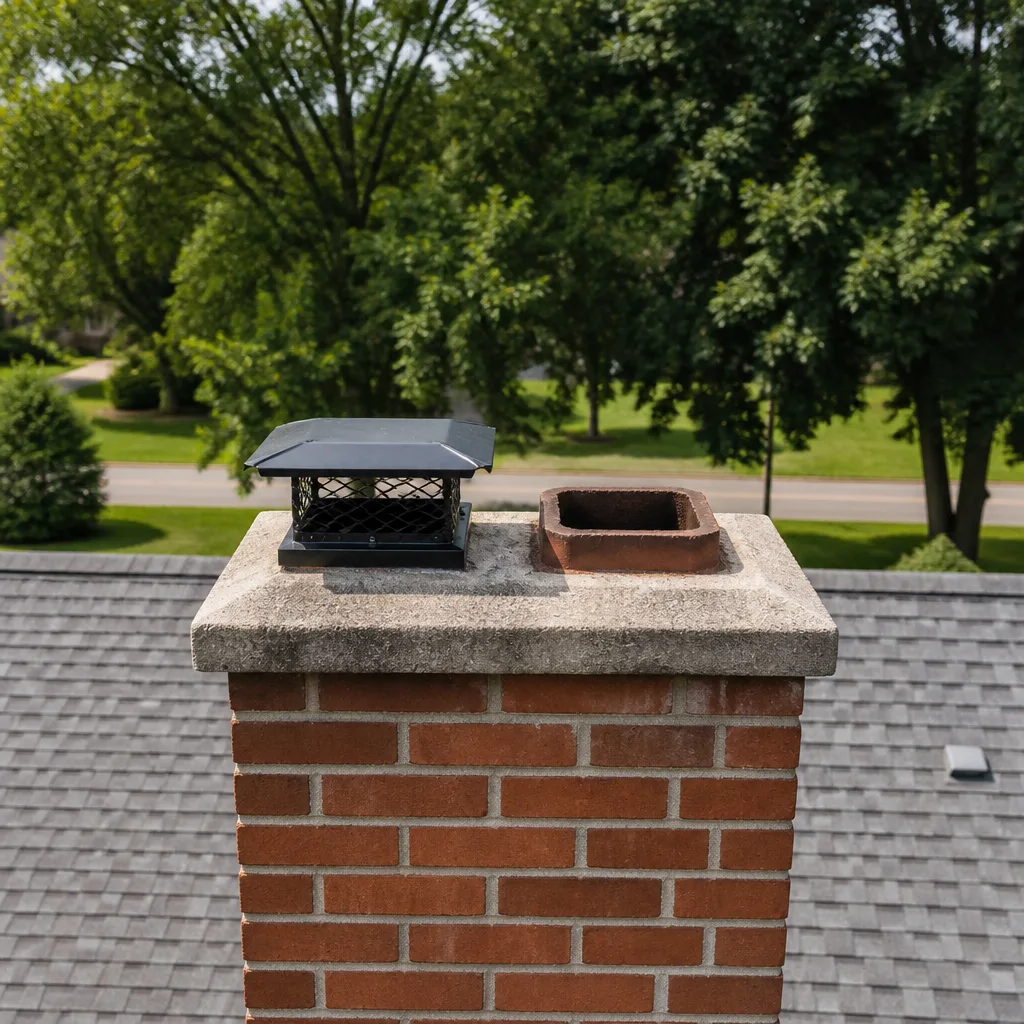 Sweep & inspection
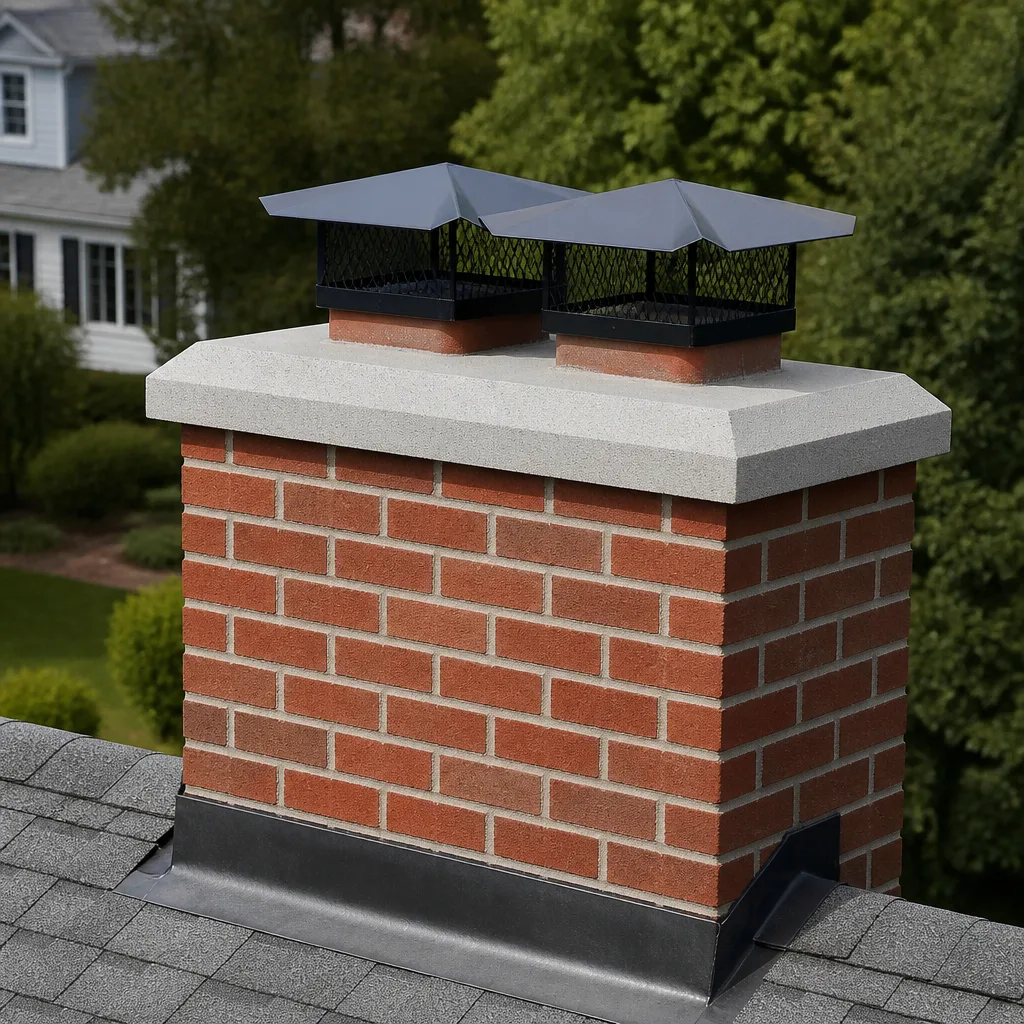 Caps & crowns
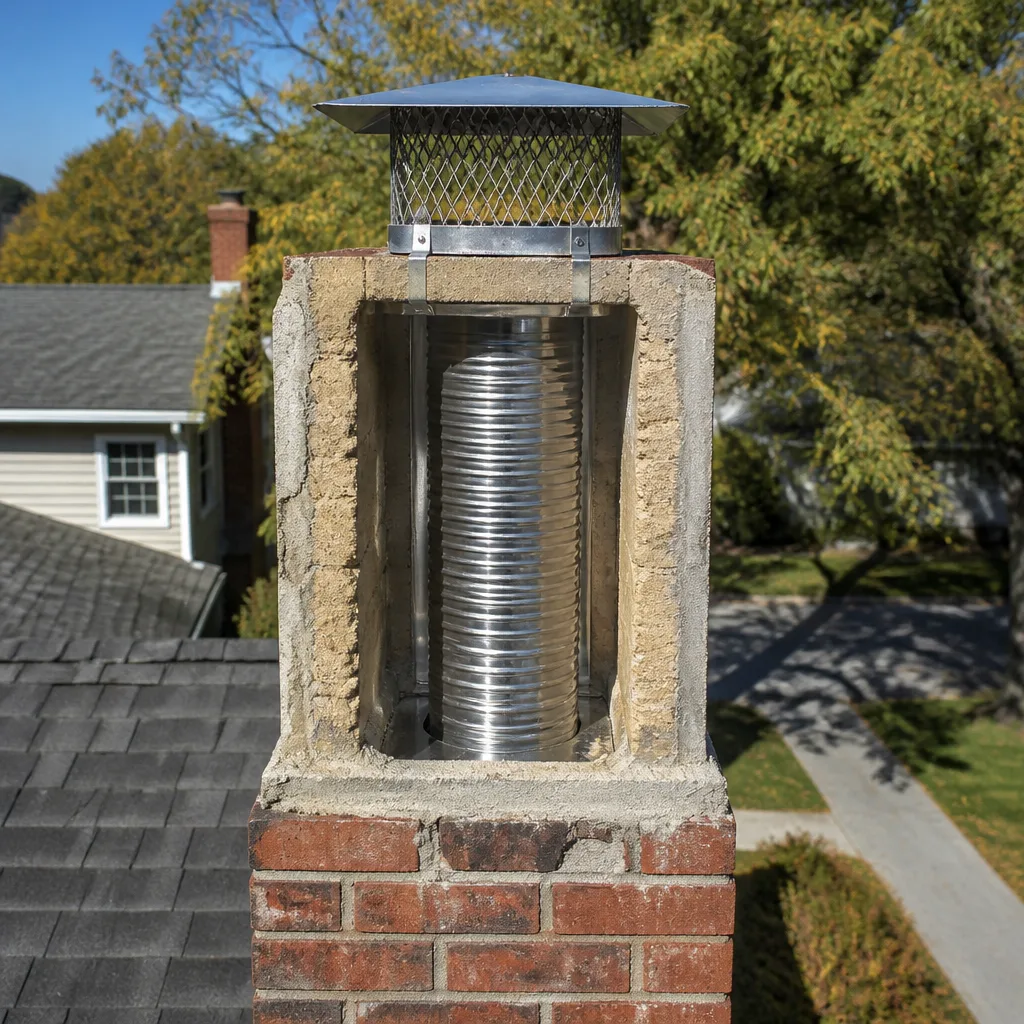 Flue relining
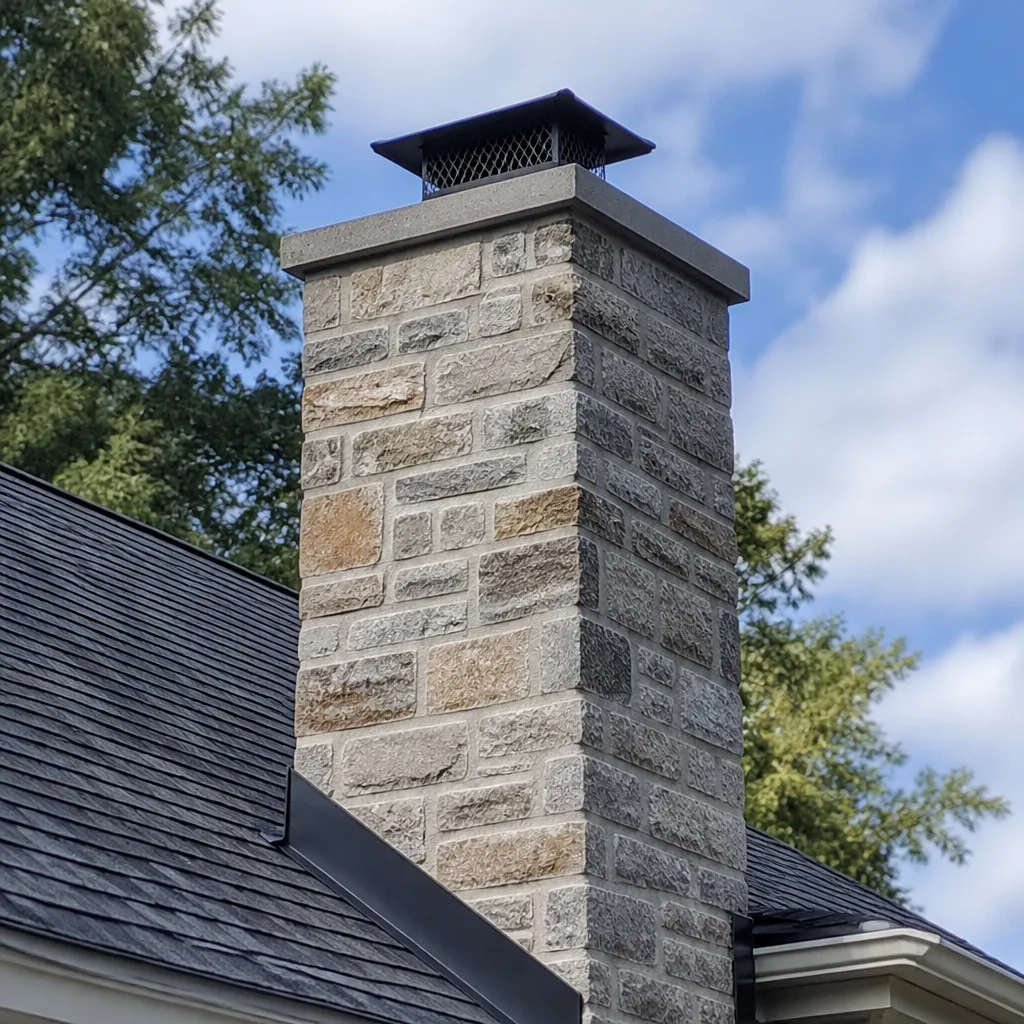 Masonry repair
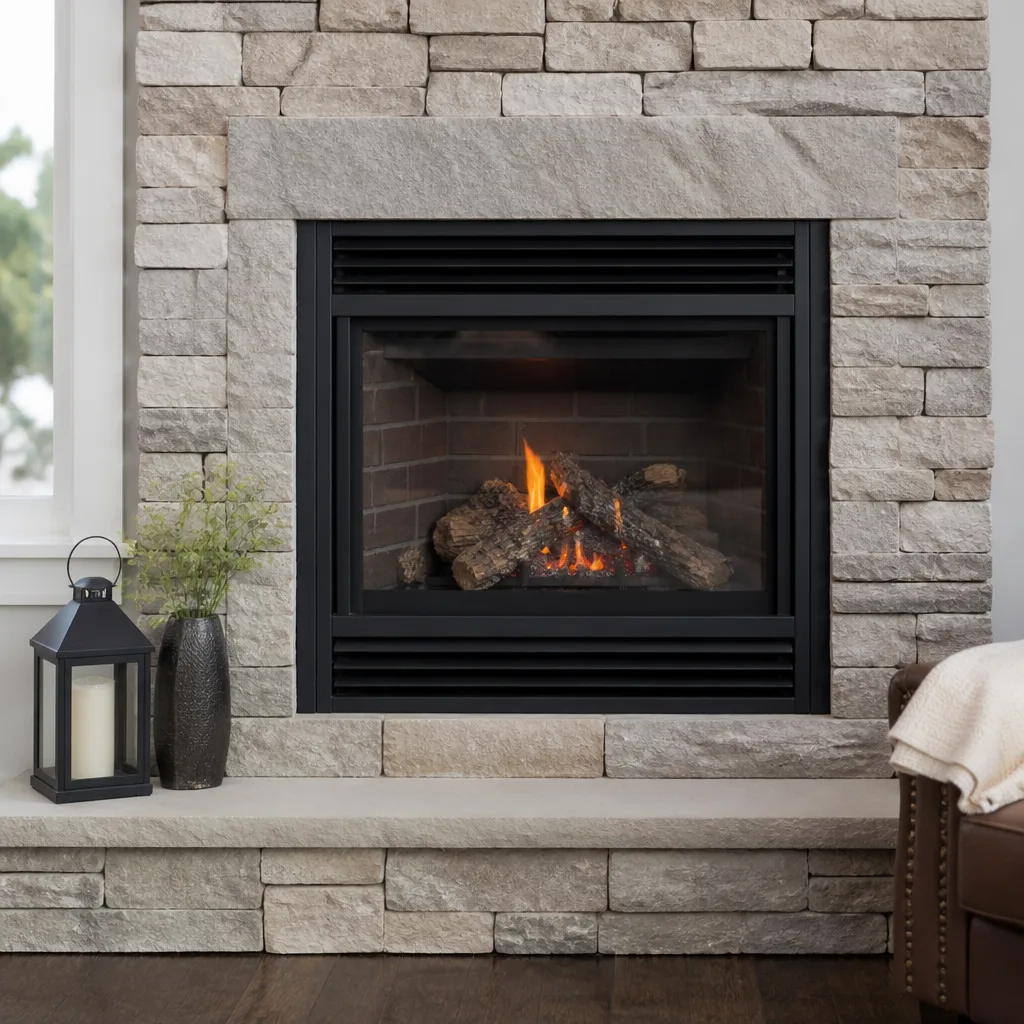 Gas fireplace service
Level 1 sweep and inspection to the NFPA 211 annual standard - flue, crown, cap, and flashing checked and photographed
Chimney sweep logs do not sweep chimneys. They loosen some creosote - which then falls where a brush and vacuum still have to collect it.
Chimney Sweep Troubleshooting in Durham: Common Problems and How to Fix Them
Smoke rolling out of the fireplace when you open the damper is almost never the wood. It’s a pressure or geometry problem inside the flue, and no amount of kindling tricks, cracked-window hacks, or switching to hotter-burning species will fix it. The same is true of the musty smell that shows up in the living room in July, the slow draw that appears on windy days, and the crumbling mortar you notice at the top of the stack from the driveway. Each symptom traces back to a specific, diagnosable defect. In this guide, we walk through the most common chimney problems we see in Durham, how to tell them apart by when and how they show up, and which ones you can address yourself versus which ones need a trained eye and a camera.
Quick Answer
Most chimney symptoms in Durham trace to one of five root causes: a flue that’s too small or too large for the firebox opening, a damaged or missing cap, a cracked crown letting water in, a failing liner behind the masonry, or a venting imbalance tied to how tight the house has become. A trained technician can usually sort out which one you’re dealing with in under an hour. Anything involving a cracked flue, spalling masonry, or a suspected liner failure belongs in the hands of a professional, not a homeowner’s weekend project.
Styles & brands we work with
- Sweep & inspection
- Caps & crowns
- Flue relining
- Masonry repair
- Gas fireplace service
Table of Contents
- Backdraft vs. Poor Draw: How to Tell Them Apart
- Why Durham’s Humidity Accelerates Masonry Failure
- The Cap and Crown: Your First Line of Defense
- Flue Geometry: When the Fix Is Sizing, Not Sweeping
- Musty Odors and What They Actually Mean
- Troubleshooting Visit vs. Level 2 Inspection
- Dryer Vents: The Other Chimney in Your House
- Common Mistakes to Avoid
- When to Call a Professional
- Frequently Asked Questions
Backdraft vs. Poor Draw: How to Tell Them Apart
These two feel similar from the sofa, but they have different causes and different fixes. Backdraft is smoke pushed backward down the flue by pressure differences between your house and the outside air. Poor draw is smoke that starts up the flue correctly, then stalls or spills back because the flue can’t move enough air. The tell is in when and how the smoke enters.
Backdraft typically shows up the moment you open the damper. A puff of cold, smoky air drops into the firebox before the fire has a chance to establish. It’s often worst on cold mornings, during high-wind days, or when a bathroom fan, kitchen exhaust hood, or the dryer is running. Those appliances pull air out of the house, and the chimney is the easiest path for replacement air to come back in. If your house is tight, the negative pressure can be substantial. In Durham, we see this most often in newer builds with spray-foam insulation and in older homes where a renovation sealed the envelope but left the original chimney unchanged.
Poor draw is different. The fire lights, catches, and burns without spilling, then the draft gets lazy. Smoke slows, hangs in the firebox, and drifts out into the room instead of rising. Common causes:
- A flue that’s partially blocked by soot, a bird’s nest, or a fallen liner tile
- A flue that’s physically too short for the firebox it serves
- A chimney that terminates too close to a roofline, tree, or taller neighboring structure
- An open damper on a fire that hasn’t been started yet, letting cold air dump into the house
- A firebox that’s been modified (glass doors added, opening narrowed) in a way that changed the pressure balance
The diagnostic step is simple: does the smoke enter before the fire is established (backdraft) or after (poor draw)? Once you know which side of the line your symptom sits on, the fix narrows considerably. Backdraft is a house-pressure conversation. Poor draw is a flue-shape and flue-condition conversation. If you can’t tell the difference on your own, our chimney sweep technicians sort it out on the first visit. It’s part of why we bring a combustion analyzer and a manometer to every troubleshooting call, not just a brush.
Why Durham’s Humidity Accelerates Masonry Failure
Durham runs humid for most of the year. That matters for masonry. Brick and mortar are porous. When moisture wicks into the chimney stack from rain, from a cracked crown, or from the ground, it carries dissolved salts along with it. As the moisture evaporates out of the brick face, those salts crystallize, and the pressure they exert is strong enough to flake off the brick surface. That white, chalky residue you see on the outside of the chimney is called efflorescence. It’s the visible stage of a problem that started earlier.
Left alone, efflorescence moves into spalling. Spalling is when chunks of brick face flake off or pop free, leaving a rough, pitted surface. By the time spalling starts, the masonry has lost material, and water can get deeper into the stack. In a dry climate, this process can take years. In Durham’s humid summers and wet winters, it can move faster because the brick stays saturated longer between dry spells.
What to look for, in order:
- White powder on the stack. Early efflorescence. Doesn’t necessarily mean the brick is failing yet, but it means moisture is present.
- Chalky residue that doesn’t wash off. The salts have moved out of the brick and are saturating the surface. A sign the moisture source hasn’t been addressed.
- Flaking or pitting on the brick face. Spalling. This is beyond cosmetic. The masonry is losing structural material.
- Crumbling mortar joints. Water has reached the mortar bed. Repointing needed before the stack further deteriorates.
- Liner visible through the brick or mortar. The masonry has failed enough that the firebox-to-flue separation is compromised. Stop using the fireplace until inspected.
When moisture is getting into a masonry chimney and the flue tiles behind it are cracked or mortar-jointed, restoration is often the right call rather than rebuild. That’s where liner systems come in. We work with HeatShield for resurfacing ailing flue interiors and DuraFlex for flexible relining when the original masonry flue can’t be saved. Both are professional-grade options that let you restore the chimney you have instead of tearing into it. If you’ve noticed efflorescence or spalling on your chimney, it’s worth having it looked at before the next wet season, particularly in older neighborhoods off Duke Street and around Trinity Park, where a lot of the housing stock dates back many decades.
The Cap and Crown: Your First Line of Defense
Two small pieces of the chimney do the most work to keep water, animals, and weather out. Most homeowners never think about either. Both fail in predictable ways.
The cap. This is the metal or masonry lid that sits over the top of the flue. A good cap keeps rain out, keeps birds, squirrels, and raccoons out, and (crucially) keeps wind from shooting straight down the flue and causing downdraft. Failure modes:
- Missing mesh. The most common failure. Birds and squirrels nest inside, blocking the flue and creating both a fire risk and a draw problem.
- Rust-through on the housing. Galvanized caps eventually rust through at the seams. Once water can get in, the whole cap is compromised.
- Sized wrong. A cap that doesn’t cover the entire flue opening (or worse, that’s too tight) is a draw problem waiting to happen.
- Attached loosely. Wind can lift or shift a poorly secured cap, and a displaced cap is a downdraft source.
The crown. This is the concrete or mortar slab at the very top of the chimney, sloped to shed water away from the flue. A good crown is slightly overhanging and properly sloped. A failing crown is one of the most consequential defects a chimney can have because it lets water into the masonry from the top down. Failure modes:
- Hairline cracks. Small now; they’ll open with freeze-thaw cycles.
- Wide cracks or separated joints. Water enters freely.
- Loss of slope. A crown that’s flattened or pushed up sends water back toward the flue instead of away from it.
- Debonding from the flue tile. The crown can lift, letting water run down the outside of the flue.
A single visit to check and repair the cap and crown prevents more expensive repairs than almost any other chimney maintenance step. If the cap is missing, that’s a phone call, not a wait-and-see situation. Water intrusion, animal entry, and downdraft all get solved by the same fix. We stock Famco and Copperfield components for exactly this reason: standard caps and crown materials that we can install without waiting on a special order.
Flue Geometry: When the Fix Is Sizing, Not Sweeping
Sometimes the chimney is clean, the cap is intact, the crown is sound, and the fire still smokes. When that’s the case, the problem is likely geometry: the relationship between the firebox opening, the smoke chamber above it, and the flue that carries smoke away.
The basic rule of chimney draft is that the flue’s cross-sectional area should be roughly one-tenth to one-twelfth the area of the firebox opening. If the flue is significantly undersized, it can’t move the volume of smoke the firebox produces, so smoke backs up. If the flue is oversized, the smoke cools before it reaches the top, loses buoyancy, and stalls. Both problems cause smoke in the room. Both are geometry problems, not cleaning problems. No amount of sweeping fixes them.
The other common geometry failure is the smoke chamber. This is the sloped area between the top of the firebox and the bottom of the flue. In older chimneys (and Durham has plenty of them), the smoke chamber was often built with rough, corbelled masonry that creates turbulence. Smoke eddies in the chamber instead of moving smoothly up. The fix is parging or reshaping the chamber to smooth, sloped surfaces, which lets smoke transition from the firebox into the flue without slowing.
Signs you’re dealing with a geometry issue rather than a dirty flue:
- The chimney is clean but still smokes
- Smoke appears only on certain wind directions
- Smoke spills when the fire is burning hot, not when it’s starting
- The fire burns better with a window cracked in the same room
- You’ve noticed the problem since you moved in and have no history of it being fine before
Geometry fixes are specialty work. They require measuring the firebox, calculating the flue area, and (in some cases) parging or resizing. We bring the tools for that on a troubleshooting visit. If the diagnosis lands on geometry, we quote the fix in the written estimate. If it lands on something you can safely do yourself (like adding a top-sealing damper or clearing a debris block from a reachable cap), we tell you that too.
Musty Odors and What They Actually Mean
That smell coming from the fireplace in July or August is real, and it has a cause. It’s not a ghost, and it’s not “just what old chimneys do.” The two most common sources both trace to moisture.
The first is a chimney that’s been taking in water from the crown, cap, or masonry for a while. When organic material (creosote residue, dust, leaf litter, animal nesting material) gets wet inside the flue or smoke chamber, it smells. The smell is strongest in Durham’s summer months because warm, humid air moves through the house and pulls that odor out into the living space. In winter, when the house is drier and the fireplace is running regularly, the smell often disappears because the moisture dries out. That’s why it feels seasonal.
The second common source is a downdraft on the shoulder seasons. When the outside temperature is close to the inside temperature (spring and fall), the chimney has very little natural draft because the temperature difference that drives draft is small. Air that’s sitting in the flue can drift down into the house, bringing whatever smell is inside the flue with it. It’s not a sign of a structural failure, but it can be uncomfortable and it’s often worth a top-sealing damper to close off the flue completely when the fireplace isn’t in use. That’s a specific, fixable defect, not a quirk.
What musty smells do NOT mean, in most cases:
- They don’t mean you have a carbon monoxide leak (though it’s worth checking CO detectors anyway)
- They don’t mean a chimney fire has occurred
- They don’t mean the chimney needs to be replaced (a HeatShield liner resurfacing often solves the underlying moisture issue)
If the smell is accompanied by a persistent headache, dizziness, or a CO detector alarm, leave the house and call the fire department first, then call us. Those are not chimney-maintenance symptoms; they’re a health emergency. But for the funny smell alone, the answer is usually cap, crown, and moisture. A simple troubleshooting visit gets you to the actual cause.
Troubleshooting Visit vs. Level 2 Inspection
Not every chimney problem needs the same level of investigation. Knowing which one to ask for saves time and gets you to the right answer faster.
A troubleshooting visit is what you book when you have a specific symptom. Smoke in the room, musty smell, poor draw, an animal sound, water stains. The technician comes out, diagnoses the symptom, and either fixes the cause on the spot (if it’s simple) or quotes the repair. It’s an hour of diagnostic work. In our experience, the majority of Durham chimney complaints get resolved on a troubleshooting visit.
A Level 2 inspection is a more thorough evaluation, typically required when a property changes hands, after a chimney fire, after an earthquake or major storm event, or when the flue’s condition is unknown. It uses a video camera run through the entire flue to see the interior of the liner and identify cracks, gaps, or damage that a visual inspection from the firebox and cap can’t catch. It’s the right call when the answer to “is my liner safe?” genuinely can’t be determined from outside.
Which one to book:
- You just moved in and don’t know the history. Book a Level 2. The camera tells you what the visual inspection can’t.
- You have a specific symptom and the chimney’s history is known. Book a troubleshooting visit.
- You smell gas or suspect a carbon monoxide issue. Call 911 or your gas utility first, then book an inspection after.
- You had a chimney fire (even a small one). Book a Level 2. Chimney fires can crack flue tiles invisibly.
- You’re having work done and want a second opinion. Book a Level 2. A trained eye with a camera changes the conversation.
When in doubt, a troubleshooting visit is the safe first call. If the technician finds something that requires a Level 2, they’ll say so before doing anything else. That’s part of why we’re the Durham Chimney Sweep team a lot of homeowners call first when something feels off.
Dryer Vents: The Other Chimney in Your House
A dryer vent and a chimney have the same job: moving heat and combustion byproducts safely out of the house. Both fail in the same ways when they’re neglected, and both fail with the same result: a real fire risk. Lint buildup in a dryer vent is a leading cause of household fires, and it accumulates in the same way creosote does: gradually, invisibly, and faster in homes where the venting run is long or the exhaust path is restricted.
Signs your dryer vent needs attention:
- Clothes take longer than usual to dry
- The dryer itself gets hot to the touch
- The exterior vent flap doesn’t open fully when the dryer runs
- You notice lint accumulating around the dryer or behind it
- It’s been more than a year since the vent was cleaned
Cleaning the dryer vent is part of our core service scope, and it belongs on a chimney guide because the fire-safety logic is identical. Clean it, inspect it, and repair what the inspection finds. Booking a dryer vent cleaning alongside a chimney sweep is a common request from Durham homeowners because both jobs benefit from the same visit, and because a lingering vent problem is exactly the sort of thing that gets pushed to the back of the to-do list until it becomes urgent. If we find a problem in the dryer vent during a sweep, we can usually address it in the same visit rather than referring you elsewhere.
Common Mistakes to Avoid
Homeowners handle their chimneys in predictable ways, and a few of those ways make problems worse. Here’s what we see most often.
- Burning unseasoned wood to “keep the flue dry.” Wet wood creates more creosote, not less. The moisture in green wood cools the smoke before it exits, which deposits creosote on the flue walls. Season your wood for at least a year, longer in Durham’s humidity.
- Assuming a clean sweep will fix a smoking chimney. If the chimney is clean and still smokes, the problem is geometry or pressure, not creosote. That’s a troubleshooting visit, and it usually reveals a fix the sweep alone can’t touch.
- Patching a cracked crown with mortar and calling it fixed. Mortar patch over a crack without addressing the water source will fail within a season. The crown needs to be replaced or properly sealed, not cosmetically covered.
- Ignoring efflorescence because “it’s just white dust.” That white dust is the visible sign of moisture moving through brick. Left long enough, the bricks spall and the repair cost goes up substantially.
- Skipping a cap because “I’m up there anyway.” A chimney without a cap lets rain, birds, and downdraft in. There is no chimney we’ve seen that’s better off without a cap.
- Waiting for a chimney fire to schedule a Level 2 inspection. By the time a fire happens, the damage is already there. An inspection before it does far more good.
- Assuming a fireplace that hasn’t been used in years is fine because “nothing went wrong.” A dormant fireplace can develop liner cracks, animal nesting, or a failed cap from the same weather exposure. If it’s been sitting unused for years, book a troubleshooting visit before first use.
When to Call a Professional
Prudent homeowners know when a chimney issue belongs in professional hands. If you smell gas in the house, see smoke coming out of cracks in the chimney face, or your CO detector has gone off, leave and call 911 first. For less critical scenarios, call a professional if you have: a smoking fireplace that doesn’t respond to basic fixes (window crack, warm flue, dry wood), a visible crack in the flue tile or masonry, a crown or cap that’s failing or missing, a persistent musty smell through the summer, an animal sound heard from inside the chimney, a chimney that hasn’t been inspected in more than a year, or a new-to-you house with no chimney history. Any of these is a call worth making, and none of them benefit from waiting. Durham Chimney Sweep offers free estimates in Durham. Call (866) 389-3509. We answer 24/7. Fast dispatch from 7am to 7pm, Sunday through Friday.
Frequently Asked Questions
Smoke entering the room almost always means one of three things: backdraft (negative pressure in the house pushing air down the flue), poor draw (a flue that can’t move smoke fast enough), or a blocked flue. The fix depends on which one you have, which is why a troubleshooting visit is the right first step. Call (866) 389-3509 for an exact quote. Estimates are free.
Price depends on the chimney and what the visit uncovers, and every quote we give is per job by written estimate. The free estimate confirms what’s needed and what it costs before any work starts. Call (866) 389-3509 to schedule an estimate.
In many cases we can. HeatShield liner resurfacing restores a deteriorating flue without a full reline, and DuraFlex flexible liners are the right choice when the original flue can’t be saved. Which one fits your chimney depends on what the camera shows. The free estimate includes the recommendation and the price; you decide from there. Call (866) 389-3509. We answer 24/7.
Most chimneys should be swept annually, and any chimney with a year or more of use since the last sweep is a candidate. Fireplaces used heavily or burned with unseasoned wood may need more frequent attention. If you’re not sure of the last sweep date, book a chimney sweep and use the visit as a baseline. Call (866) 389-3509 for scheduling.
Skipping annual service allows creosote to accumulate (increasing fire risk) and lets small defects (cracked crowns, failing caps, liner cracks) go unnoticed until they become expensive. It’s not a scare tactic. It’s just how the materials behave. Call (866) 389-3509 for a free estimate and a straight answer about what your chimney needs.
It’s a sign of moisture in the chimney system, and it’s worth a troubleshooting visit. Common causes are a failing cap, a cracked crown, or a downdraft from a flue that should be sealed when the fireplace is idle. None of these are emergency situations, but none of them fix themselves. Call (866) 389-3509. Estimates are free.
The Bottom Line
Most chimney problems are diagnosable. Smoke in the room, musty smells, slow draws, and crumbling masonry each trace to a specific defect: backdraft, poor draw, a failing cap, a cracked crown, a geometry issue, or a liner that’s reached the end of its life. The right first move depends on which symptom you have. For most Durham homeowners, a troubleshooting visit resolves the question in about an hour, and a Level 2 inspection is the right call when the chimney’s history is unknown or the flue needs a proper look with a camera. If you’re tired of guessing, call us at Durham Chimney Sweep and get an actual diagnosis instead of another theory. Call (866) 389-3509. We answer 24/7. Fast dispatch from 7am to 7pm, Sunday through Friday. Estimates are free, and nothing gets recommended without a camera image you can see for yourself.
Written by the team at Durham Chimney Sweep, serving Durham since 2015.
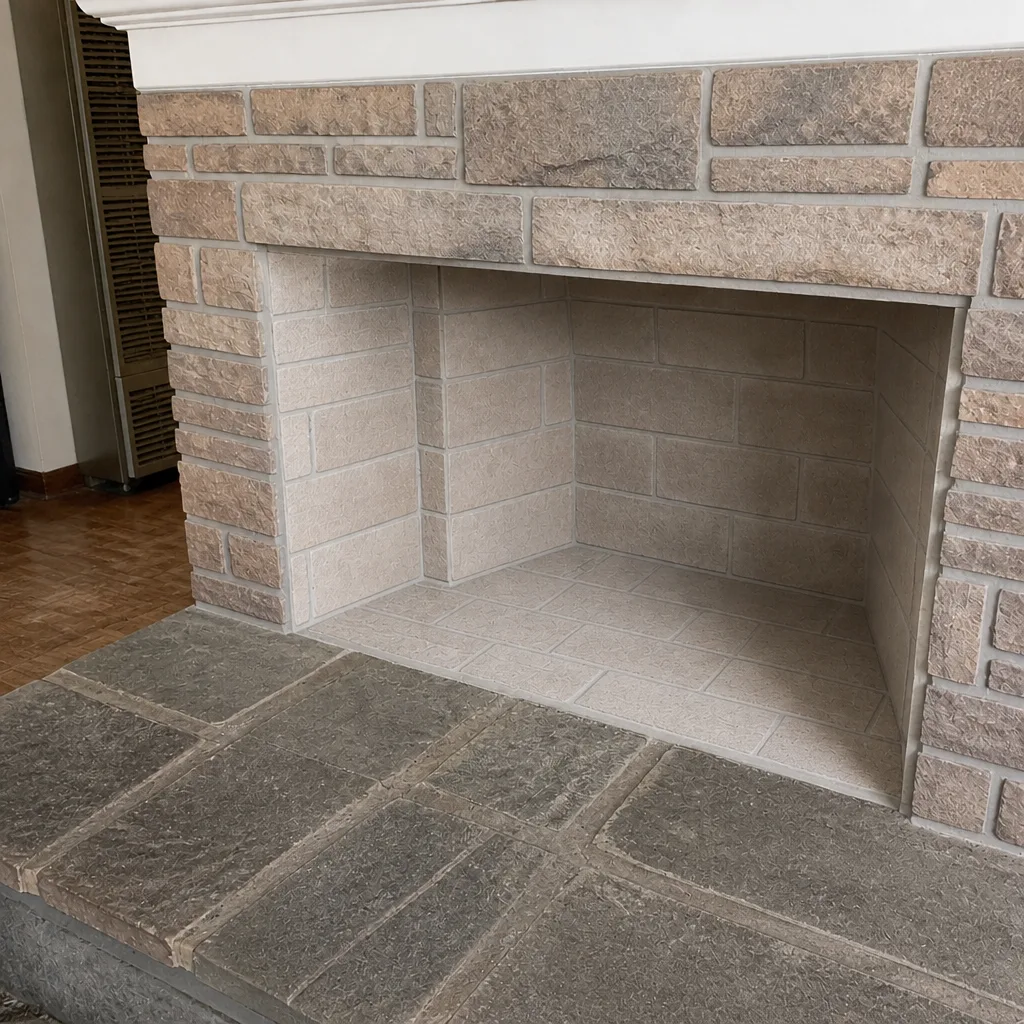
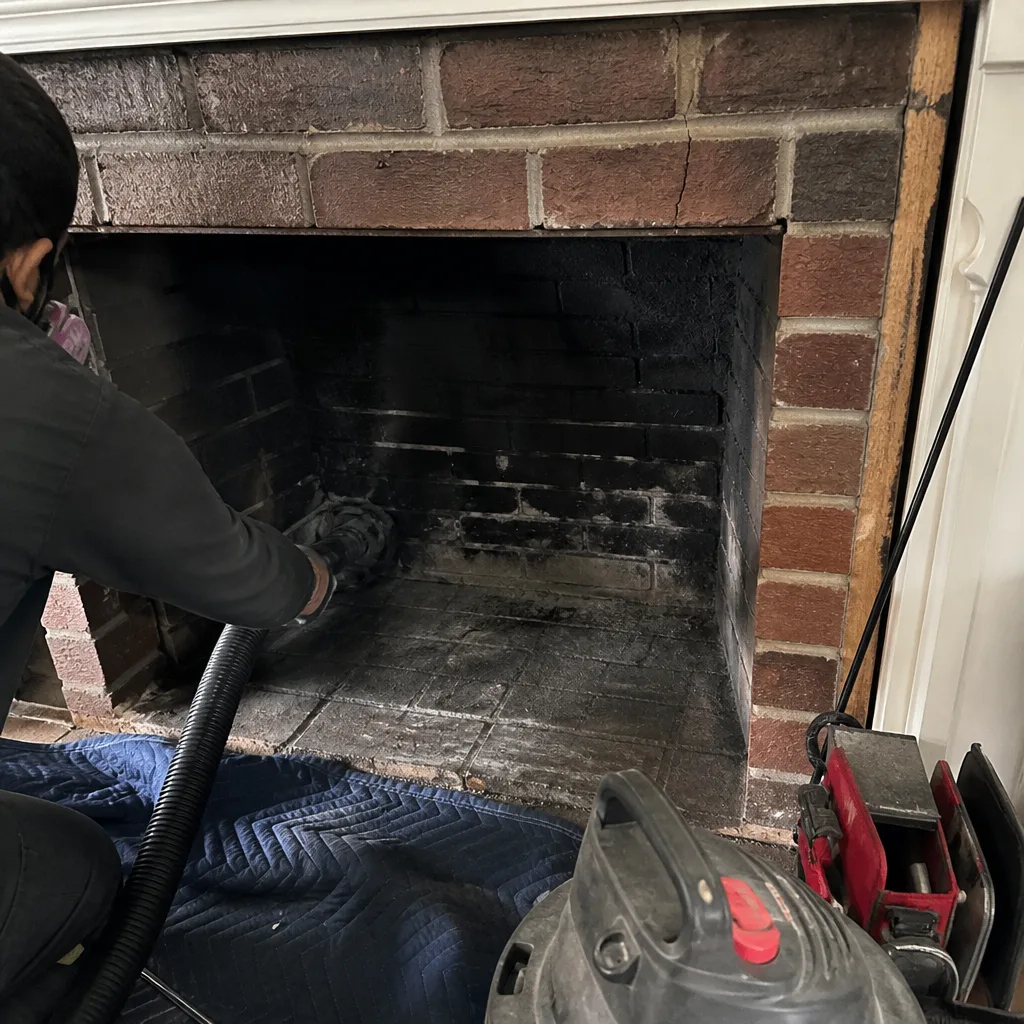
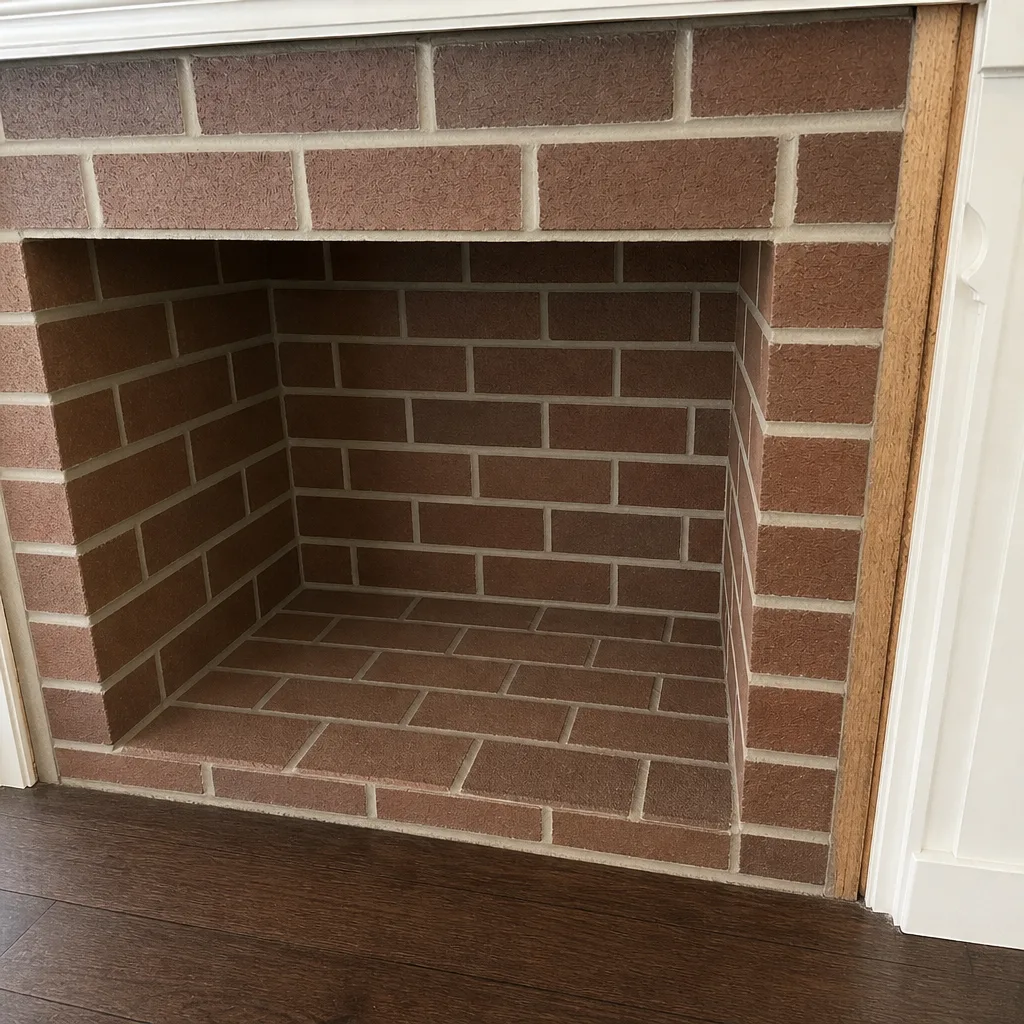
See the difference
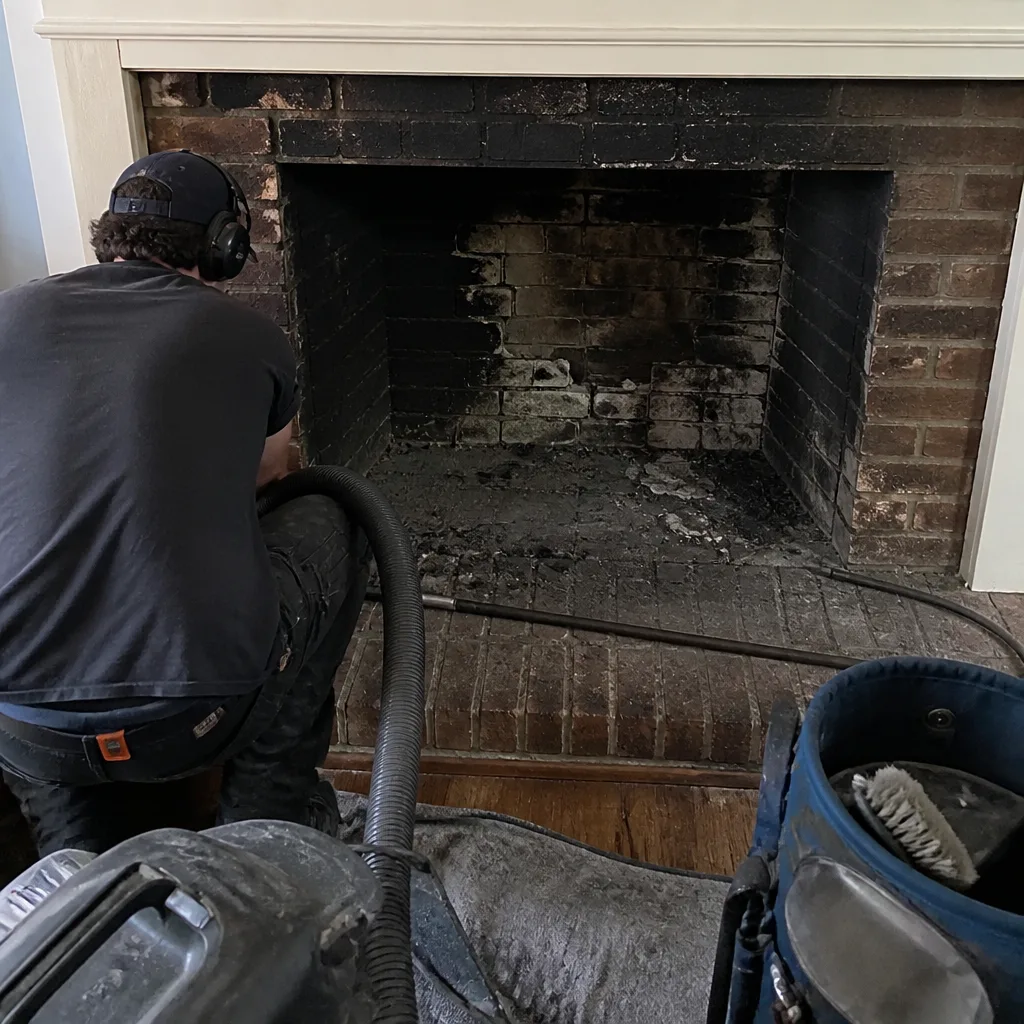 Before
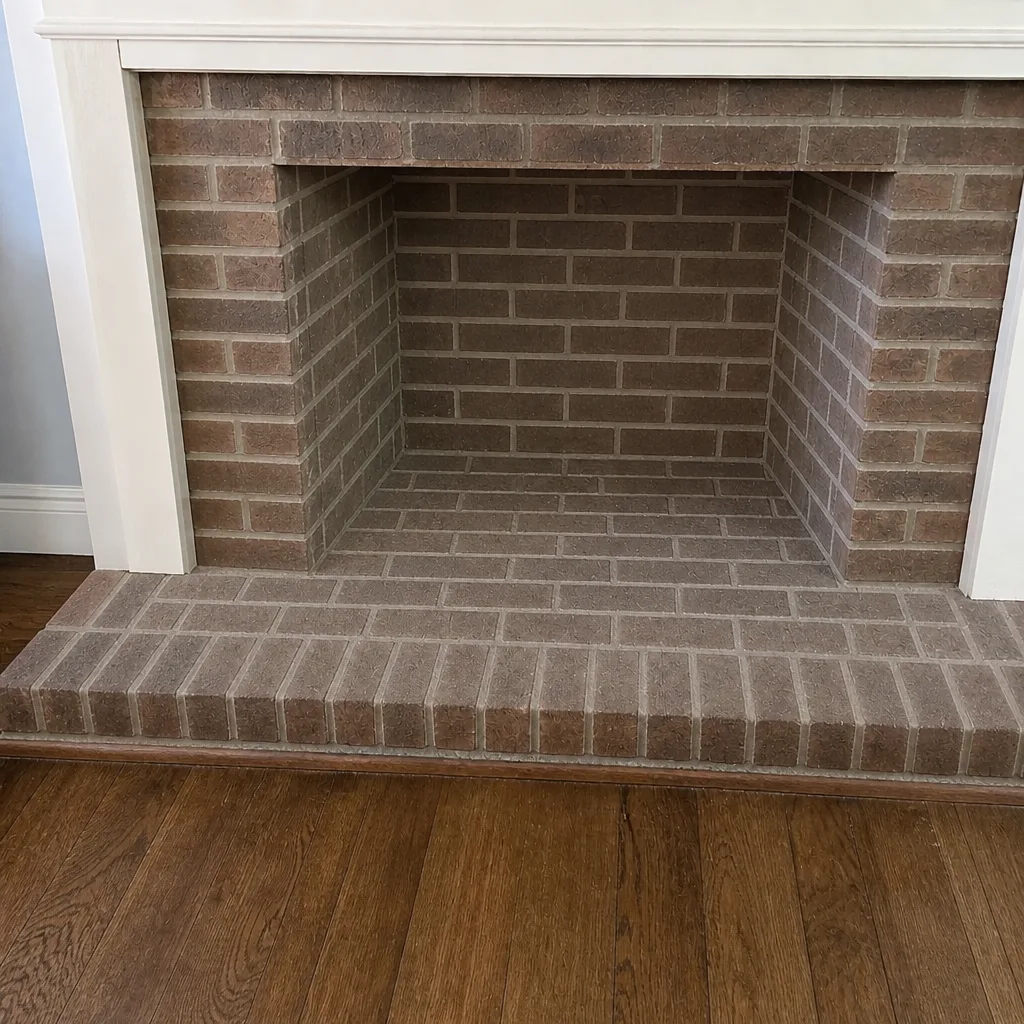 After
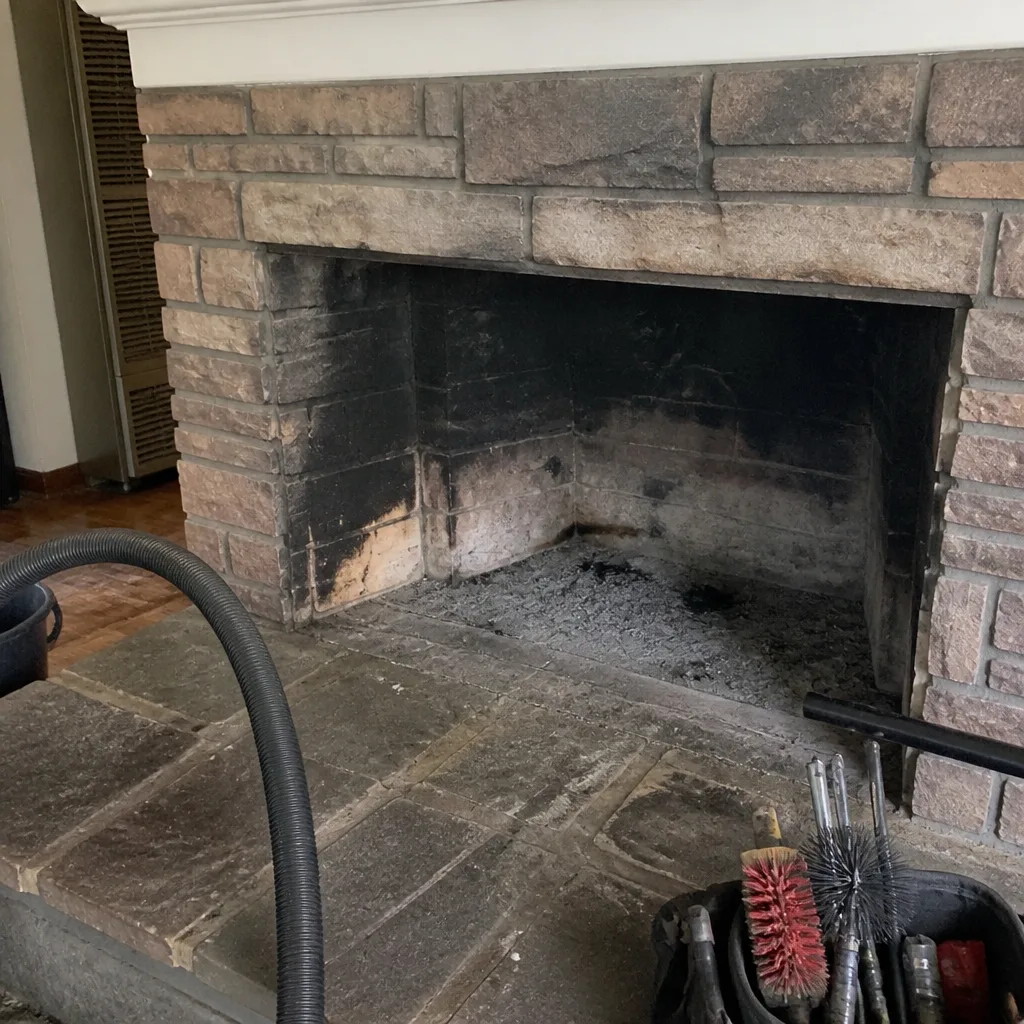 Before
 After
 Before
 After