
Last updated November 14, 2026
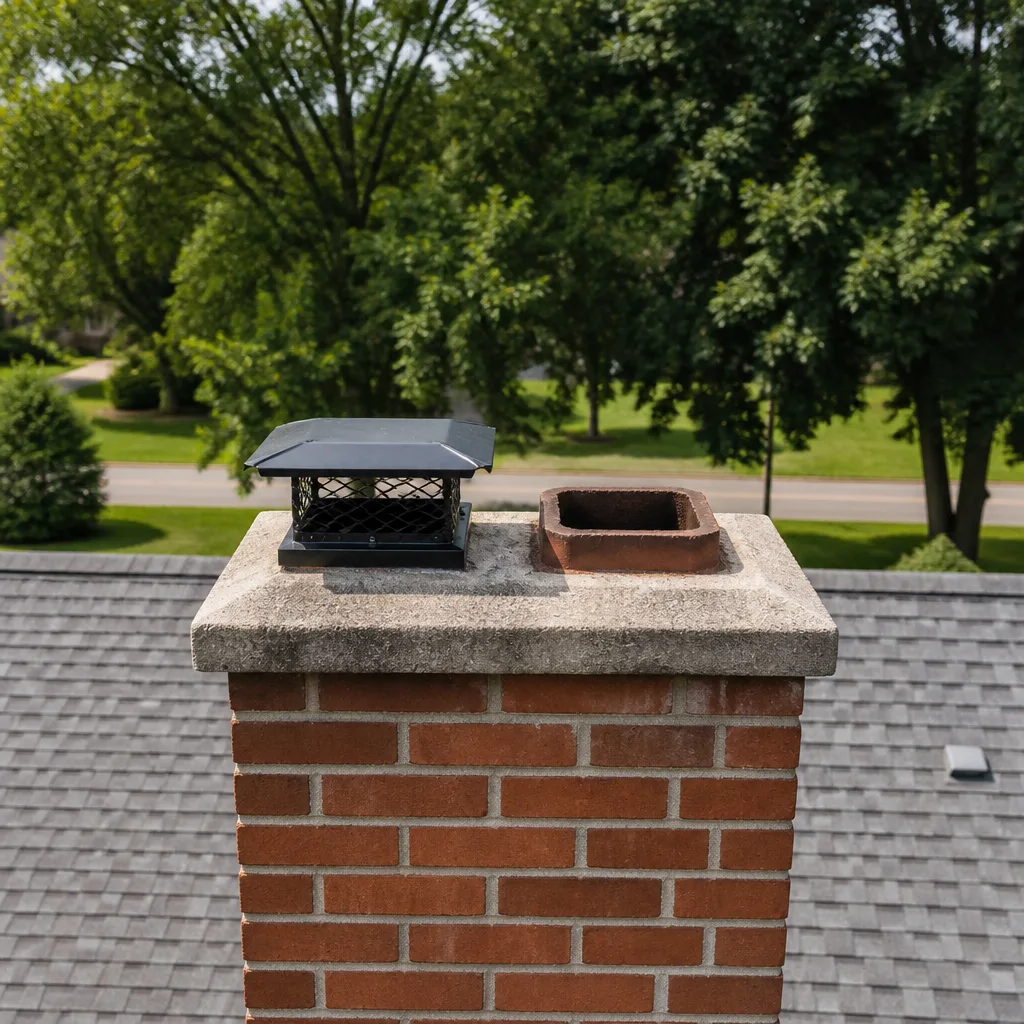 Sweep & inspection
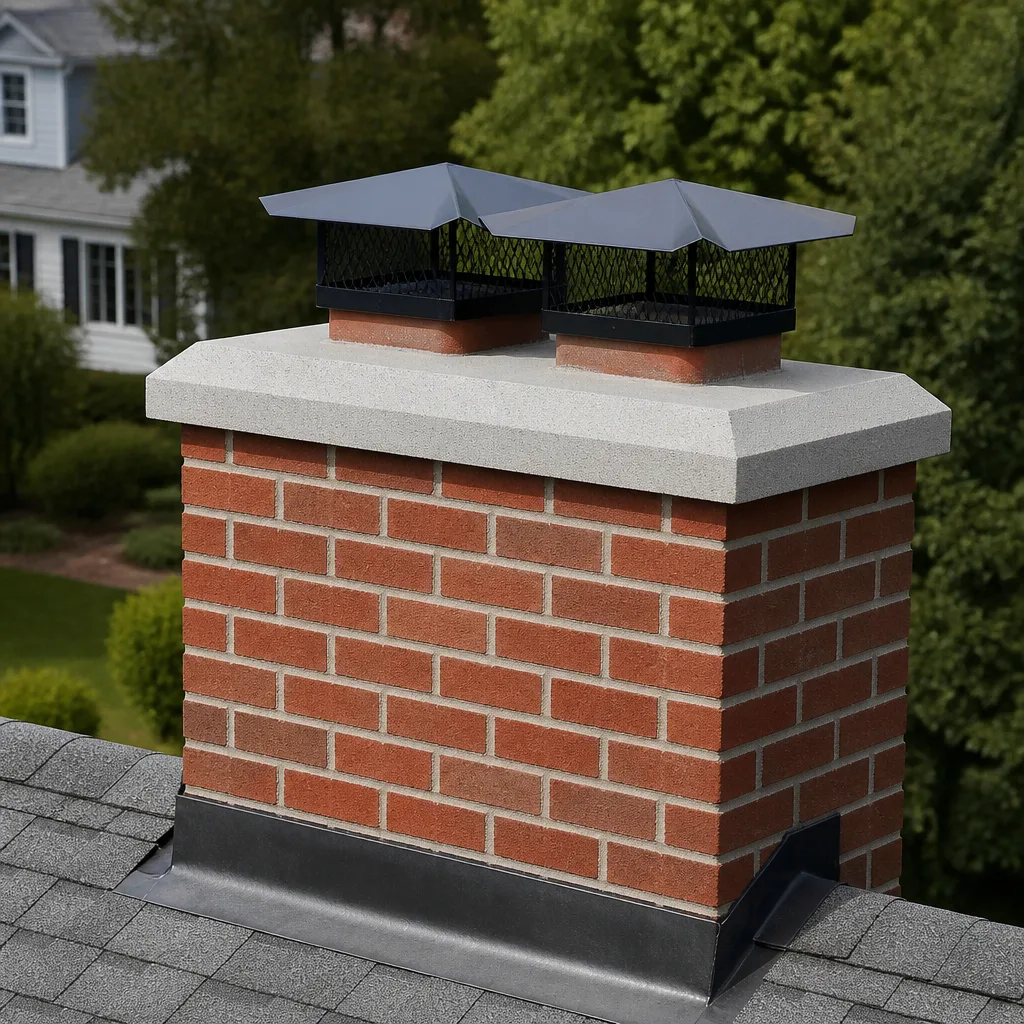 Caps & crowns
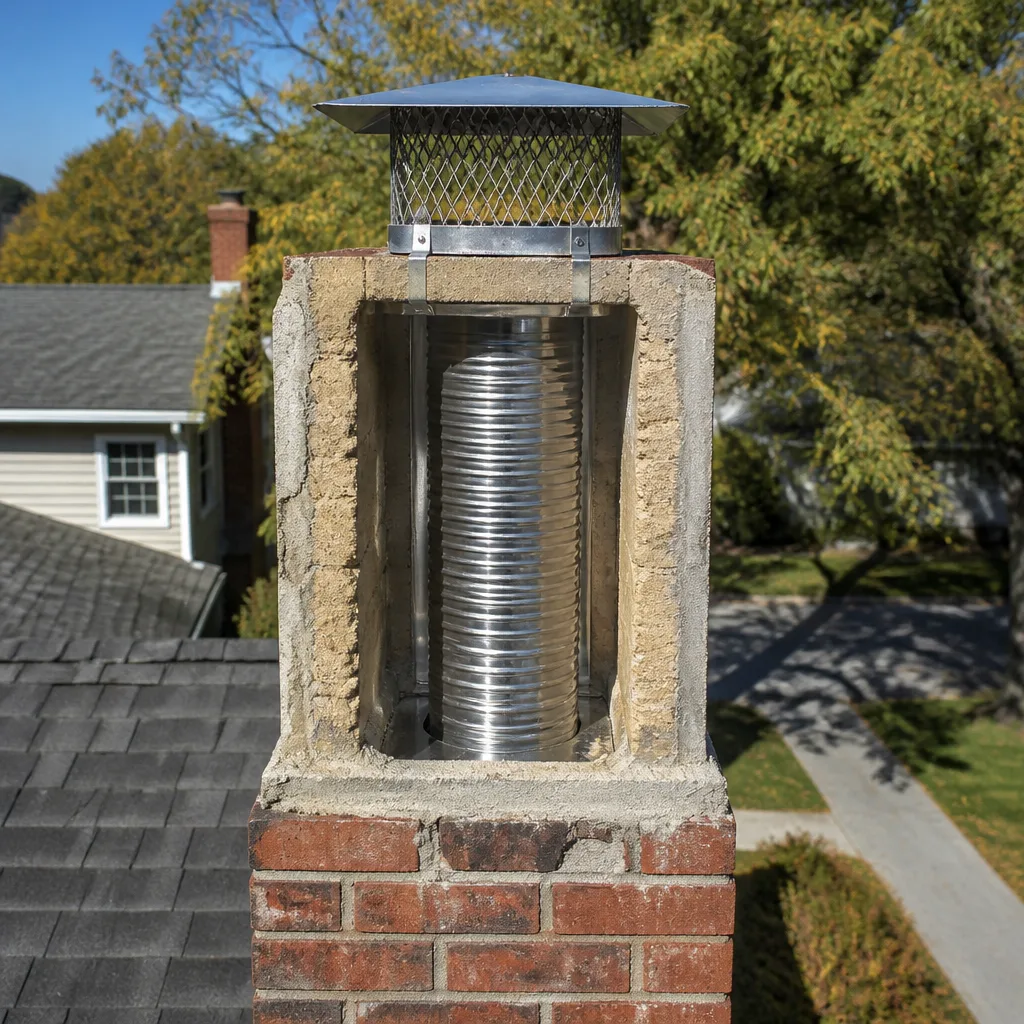 Flue relining
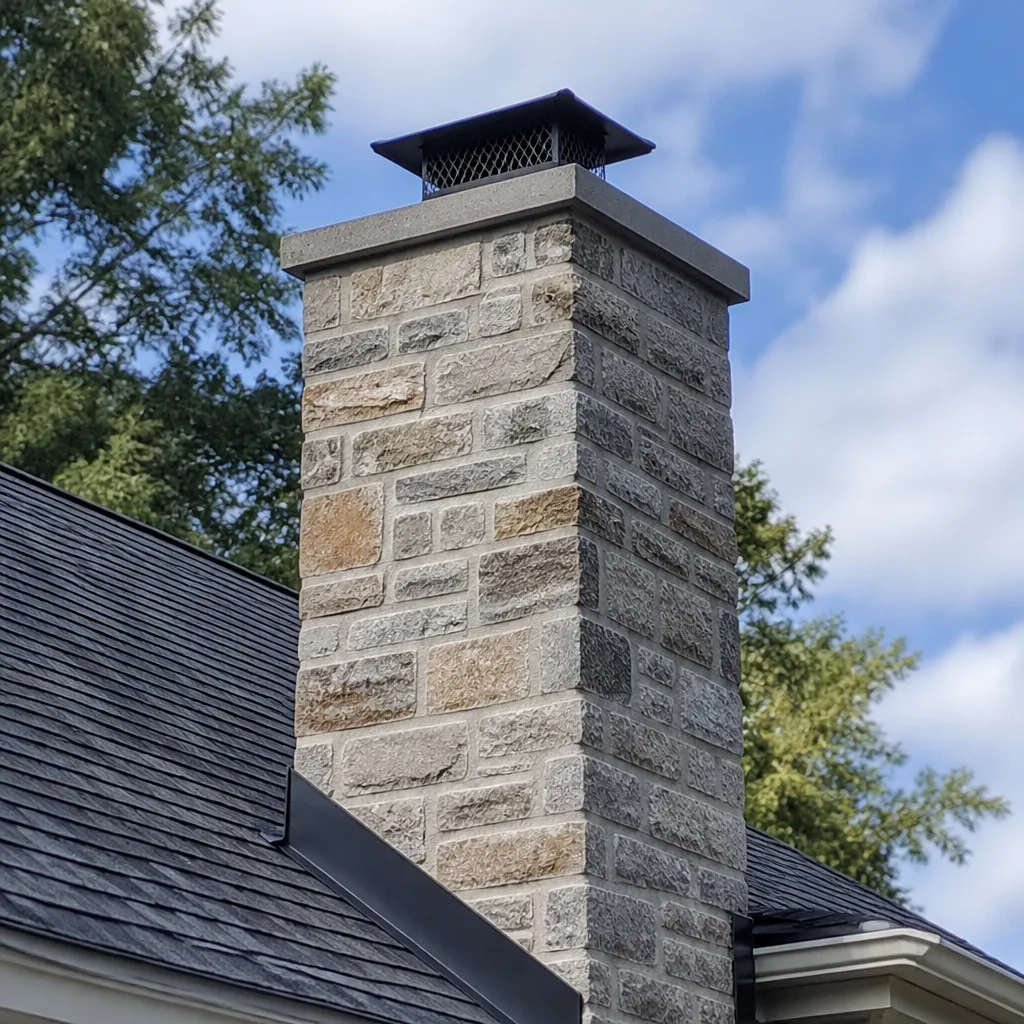 Masonry repair
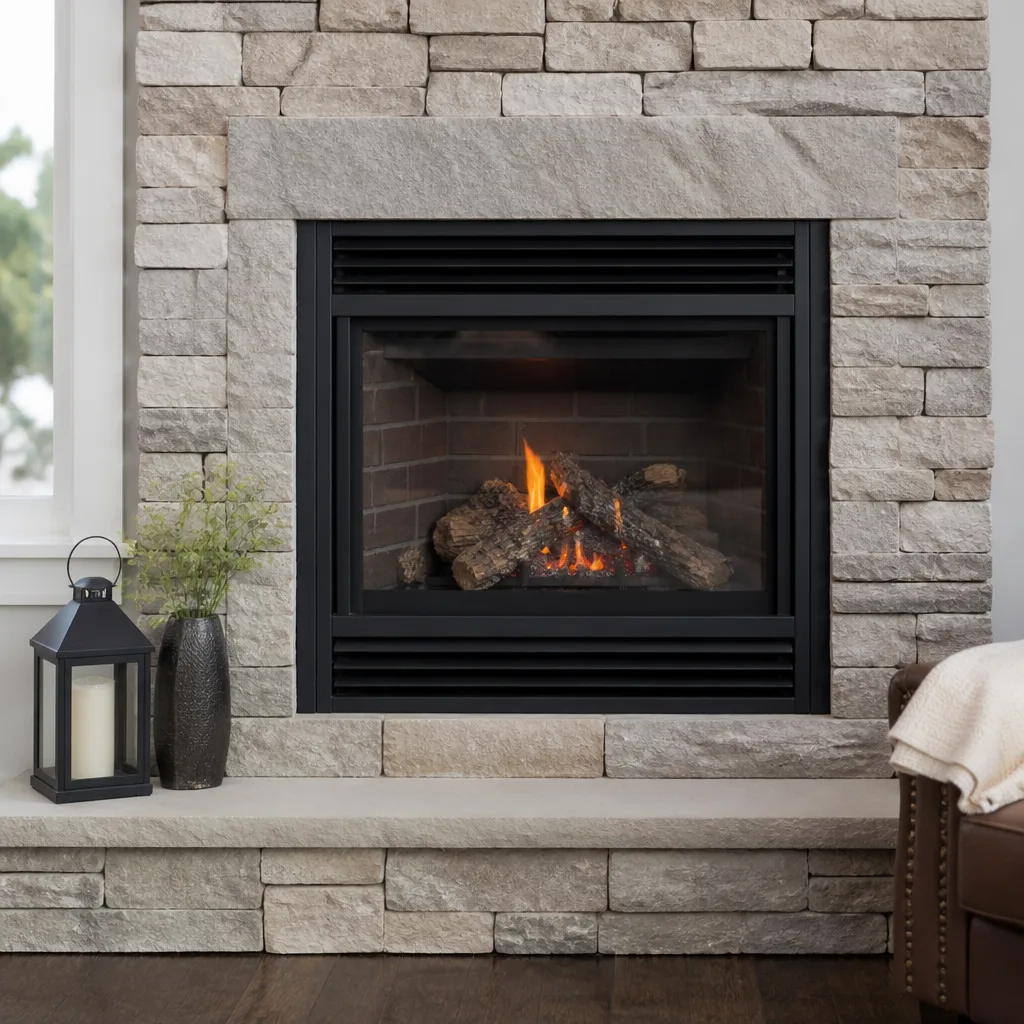 Gas fireplace service
Level 1 sweep and inspection to the NFPA 211 annual standard - flue, crown, cap, and flashing checked and photographed
Chimney sweep logs do not sweep chimneys. They loosen some creosote - which then falls where a brush and vacuum still have to collect it.
The Complete Guide to Chimney Cleaning in Durham
Most chimney fires don’t start in the dead of winter. They start on the first cold night of fall, when a Durham homeowner lights a fire in a flue that sat through an entire humid summer collecting creosote and moisture without anyone looking inside. The fire catches, the flue is already compromised, and what should have been a routine evening becomes a call to the fire department. The work that prevents this happens in warm weather, before the first fire of the season, not after. This guide explains what your chimney is actually fighting in Durham’s climate, what the NFPA 211 standard requires, and how to read the documentation a professional sweep should hand you when the job is done.
Quick Answer
Chimney cleaning in Durham means removing creosote and soot from the flue, checking the firebox and damper, and inspecting the liner and crown for damage made worse by the region’s humid summers and clay-heavy soil. NFPA 211 sets one annual inspection as the floor; active wood-burners in Durham often need sweeping more than once a year because humidity accelerates creosote buildup. A professional sweep finishes with a written report and photo documentation of what was found.
Styles & brands we work with
- Sweep & inspection
- Caps & crowns
- Flue relining
- Masonry repair
- Gas fireplace service
Table of Contents
- Why Durham’s Climate Makes Chimney Cleaning Different
- What NFPA 211 Actually Requires (And Why Once a Year Is a Floor)
- Level 1 vs. Level 2 Inspections: Which Does Your Durham Home Need?
- Red Clay Soil and Moisture Intrusion from the Outside In
- What a Real Chimney Sweep Does, Step by Step
- How to Read the Report Your Sweep Hands You
- Dryer Vent Cleaning: The Second Flue in Your Home
- Repair, Reline, or Rebuild: Making Sense of Recommendations
Why Durham’s Climate Makes Chimney Cleaning Different
Chimney advice written for dry climates doesn’t fit Durham. The humid summers here do something specific to a flue that sees little use between spring and fall. Creosote, the tar-like residue left by burning wood, absorbs moisture from the air. When humidity stays high for weeks, that creosote swells, softens, and then dries into a harder, more glazed layer. Repeat that cycle across a few seasons and what might have stayed Stage 1 creosote, the flaky soot you can brush away easily, climbs toward Stage 2 and Stage 3. Stage 3 creosote is the hard, shiny, tar-like glaze that requires chemical treatment or mechanical rotary cleaning, not a standard brush.
Durham’s winters are mild but damp. That matters too. A chimney that cools slowly between fires allows more condensation inside the flue, which combines with creosote to corrode masonry mortar joints and metal liners from the inside. In a drier climate, the firebox dries out between burns. Here, it often doesn’t fully dry at all.
The practical result: a Durham wood-burner who follows generic advice to sweep once a year may be under-scheduling. Homes that burn regularly from October through March often need attention mid-season, or at minimum, a professional inspection that actually looks at creosote thickness rather than just brushing the flue and moving on.
Durham’s older neighborhoods, particularly around Trinity Park, Watts-Hillandale, and the historic districts near downtown, have masonry chimneys built in an era before modern liners. Those flues tend to be larger, rougher inside, and more prone to creosote accumulation than a modern stainless liner. The same climate that challenges a newer chimney hits an older one harder.
What NFPA 211 Actually Requires (And Why Once a Year Is a Floor)
NFPA 211, the Standard for Chimneys, Fireplaces, Vents, and Solid Fuel-Burning Appliances, is the document that governs how often a chimney should be inspected and cleaned. The standard doesn’t say “sweep once a year.” It says chimneys, fireplaces, and vents shall be inspected at least once a year, and cleaned as needed. Those are two different things, and the distinction matters.
The “as needed” clause is doing a lot of work. For a Durham homeowner who lights a fire a handful of times each winter, one annual inspection and sweep may be sufficient. For a household that burns wood as a primary or secondary heat source through the cooler months, the creosote load can build faster than twelve months allows. The NFPA language accounts for that by tying cleaning frequency to what the inspection actually finds.
Here’s what that means in practice:
- Inspect at least annually. This is the floor for every chimney, regardless of use.
- Clean when the inspection finds measurable creosote. A qualified sweep measures buildup, not just glances at it.
- Increase frequency for heavy use. Active wood-burners in Durham should plan on at least one sweep per burning season, often a second look mid-winter.
- Inspect after any event. A chimney fire, a sudden downdraft problem, or a change in how the fireplace draws all warrant a fresh inspection regardless of the calendar.
We mention the NFPA standard because it gives you a benchmark. If a sweep tells you once a year is always enough no matter how much you burn, that’s a sign they’re applying a rule of thumb rather than the actual standard. And if a sweep tells you the flue needs a full reline after a five-minute look with a flashlight, that’s worth questioning too. A proper inspection with a camera tells the real story.
Level 1 vs. Level 2 Inspections: Which Does Your Durham Home Need?
Not every inspection is the same depth. The chimney trade recognizes three levels, and knowing which one you’re getting prevents both overpaying for a basic check and missing a serious problem because nobody looked past the firebox.
Level 1 Inspection
A Level 1 inspection covers the readily accessible portions of the chimney, the firebox, the damper, and the visible flue from the firebox up. It’s the standard annual inspection for a chimney that’s in continued use with no changes to the system and no known problems. If you’ve been burning the same way in the same fireplace and haven’t had issues, a Level 1 is the baseline.
Level 2 Inspection
A Level 2 inspection goes further, using a camera to examine the interior of the flue from top to bottom, plus accessible portions of the attic and crawlspace. This is the standard that gets triggered by specific events and changes:
- Buying or selling a home. A new homeowner has no knowledge of how the previous owner used or neglected the fireplace.
- After a chimney fire, even a small one the homeowner may not have realized happened.
- After a change in fuel type, appliance, or the way the fireplace is operated.
- After any structural event, such as a storm, earthquake, or nearby construction.
- When a Level 1 inspection finds something that needs a closer look.
For Durham homeowners buying a home with an existing fireplace, a Level 2 inspection before first use is a sensible baseline. The previous owner’s burning habits are invisible, and a camera inspection is the only way to see what’s actually inside the flue. Homes in older Durham neighborhoods, with chimneys that may have gone years without professional attention, benefit most from this level of scrutiny.
The cost difference between a Level 1 and Level 2 inspection is a fraction of what a missed liner defect can cost later. Ask which level you’re getting before the appointment so there’s no confusion.
Red Clay Soil and Moisture Intrusion from the Outside In
Most chimney talk focuses on the inside of the flue. But in Durham, a lot of chimney damage starts on the outside, at the base of the masonry, where it meets the ground. Durham’s red clay soil holds water. It doesn’t drain the way sandy or loamy soil does. When it rains, that clay stays saturated for days, holding moisture against the foundation and the base of any exterior masonry chimney.
Masonry is porous. Brick and mortar absorb water from saturated soil through capillary action, and that moisture wicks upward into the chimney structure. Over time it reaches the crown, the mortar joints, and eventually the flue liner. The damage shows up as spalling brick (the face of the brick flaking off), crumbling mortar, a white powdery deposit called efflorescence on the brick surface, and in serious cases, a crown that’s cracked and letting water straight down into the flue.
A cracked crown is one of the most common problems we find on older masonry chimneys in Durham. Water gets in through the crack, freezes on a cold night (Durham does get freezing nights even in a mild winter), expands, and widens the crack further. Repeat that freeze-thaw cycle across a few winters and a hairline crack becomes a structural problem.
This is damage a chimney sweep can spot during an inspection, but it’s the kind of thing homeowners don’t notice on their own because it’s happening on the roof, out of sight. A sweep that only cleans the flue and never looks at the crown, the flashing, or the mortar joints is only doing half the job.
When the inspection turns up crown damage or deteriorated mortar, having a company that can repair it matters. We work with HeatShield for liner resurfacing and DuraFlex for flexible relining, which means a damaged flue found during a Durham cleaning can be addressed in the same relationship rather than referred to a second company. That continuity is one reason our Durham Chimney Sweep team handles repair alongside cleaning instead of treating them as separate businesses.
What a Real Chimney Sweep Does, Step by Step
A professional chimney cleaning is more than running a brush up the flue. Here’s what a proper visit looks like when the sweep is thorough.
- Set up protection. Drop cloths and a sealed vacuum system keep soot and debris out of the living space. If a sweep arrives without floor protection, that’s a warning sign.
- Inspect before cleaning. A quick visual check of the firebox, damper, smoke shelf, and accessible flue tells the sweep what they’re dealing with and whether a camera inspection is needed first.
- Clean the flue. Brushes sized to the flue remove soot and creosote. If Stage 2 or Stage 3 creosote is present, standard brushing won’t cut it. Rotary cleaning or chemical treatment may be needed to break down the glaze.
- Clean the firebox and smoke chamber. These areas collect their own share of buildup and are often skipped by less thorough sweeps.
- Remove and dispose of debris. A professional hauls the soot and creosote away rather than leaving it for the homeowner.
- Inspect the liner, crown, flashing, and exterior. This is where the real value of a chimney specialist shows. A generalist handyman who sweeps chimneys on the side may skip this step entirely.
- Document findings with photos. The sweep should show you what they found, not just tell you.
- Provide a written report. This is the piece most homeowners don’t know to ask for. More on that below.
The sweep should also check the damper operation, confirm the smoke chamber is clear, and verify the cap is intact and correctly sized. A missing or damaged cap lets rain, birds, and debris into the flue, which accelerates the moisture problems Durham’s climate already creates.
If it’s been a while since your flue has had professional attention, a chimney sweep is the starting point. Everything else, including whether a repair is needed, follows from what the cleaning and inspection reveal.
How to Read the Report Your Sweep Hands You
A professional sweep should leave you with documentation, not just a verbal summary. The report is your record of the chimney’s condition on the date of service, and it matters when you sell the home, file an insurance claim after a chimney fire, or compare findings from one year to the next.
Here’s what a thorough report should include:
- Date of service and the level of inspection performed. Level 1, 2, or 3 should be stated clearly.
- Sweep’s name and company. Accountability matters if you need to follow up.
- Record of creosote found and its stage. Stage 1, 2, or 3 should be noted so you can track whether buildup is increasing between visits.
- Photo documentation of the flue interior, crown, and any damage found. A camera inspection should produce images you can see for yourself.
- Note of any recommended repairs, with a clear explanation of urgency. Some issues can wait; others can’t. The report should say which.
- Confirmation of what was cleaned. Firebox, flue, smoke chamber, damper.
The most important thing about the report is that it lets you verify what you’re being told. When someone recommends a full reline, you should be able to look at the photos and see the reason. The same is true for crown repair or mortar work. A good sweep explains what they found, shows the evidence, and tells you plainly when a repair can safely wait. If the recommendation is a large dollar figure with no documentation behind it, ask for the photos.
At Durham Chimney Sweep, we include camera inspection and photo documentation in our reports because we believe repairs should be based on evidence you can see, not on a technician’s word alone. That’s why we can also tell you when the answer is “this can wait until next season.”
Dryer Vent Cleaning: The Second Flue in Your Home
Most homeowners think of the chimney as the only vent in the house that carries heat and combustion byproducts out. It isn’t. The dryer vent does the same job, and it’s the one almost nobody thinks about.
Lint accumulates in dryer vents. It’s highly flammable, and a clogged vent doesn’t just make the dryer run longer; it traps heat that can ignite. The National Fire Protection Association recognizes dryer vent cleaning as a measurable reduction in fire hazard, and it’s a service many chimney-only companies don’t offer. We include dryer vent cleaning in our scope for exactly that reason: dryers and chimneys share one job, which is moving heat and combustion byproducts safely out of your home. The same safety logic applies to both.
A clogged dryer vent also wastes energy. If the dryer takes twice as long to dry a load, that’s a sign airflow is restricted. A professional cleaning restores the vent to its designed capacity and lets you see what was actually blocking it.
If you’ve never had the dryer vent cleaned and you’ve been in the home for years, it’s worth adding to the list. It’s a small service with a real safety payoff, and it’s one more reason a dedicated chimney specialist is a better fit than a general handyman.
Repair, Reline, or Rebuild: Making Sense of Recommendations
Chimney repair recommendations can feel overwhelming if you don’t know what they mean. Here’s the short version of what each type of work actually involves, so you can have a real conversation instead of nodding along.
Resurfacing the liner
When the flue liner has cracks or gaps but the structure is still sound, resurfacing can restore it without taking the chimney apart. The HeatShield system is a professional-grade resurfacing method that chimney specialists use on older flues, particularly the clay tile liners common in older Durham homes. It’s the middle option between a full reline and doing nothing.
Relining
When the existing liner is badly deteriorated or the wrong size for the appliance, a new liner is installed inside it. DuraFlex flexible liners are one option for this kind of work. Relining is appropriate when resurfacing won’t hold, but a full rebuild isn’t necessary either.
Repairing the crown and masonry
The crown is the concrete cap at the top of the chimney, and it’s the first line of defense against water. A cracked crown lets water straight into the flue. Mortar joints and spalling brick on the exterior need repointing and repair to keep moisture out. These are repair jobs, not replacement jobs, when caught early.
When rebuilding makes sense
A full rebuild is warranted when the chimney structure is failing, not just its components. That’s rare. Most of what we see in Durham is fixable repair work, and the honest answer is often “this needs a crown repair and a resurfaced liner, not a new chimney.”
The through-line is that the recommendation should match the evidence in the inspection report. If you understand what the camera showed, you can judge whether the recommended repair makes sense. And if you want a second opinion on a major recommendation, there’s no shame in getting one.
Common Mistakes to Avoid
- Scheduling cleaning only in winter. The right time to clean a Durham chimney is before the first fire of the season, not after the first smoke backup. Creosote that sat all summer has had months to settle and moisture-damage the flue.
- Assuming one sweep a year is always enough. NFPA 211 sets annual inspection as the floor and cleaning frequency based on what the inspection finds. Regular wood-burners in Durham often need more, not less.
- Hiring a general handyman for chimney work. Chimney and venting systems are their own trade. A company that also does gutters, roofing, and HVAC is spreading its tools and training across too many systems to focus deeply on yours.
- Skipping the dryer vent. Lint buildup in dryer vents is a recognized fire hazard, and it’s invisible. If the dryer is taking longer to dry loads, the vent is a likely reason.
- Ignoring exterior masonry. Durham’s red clay soil holds moisture against the chimney base. Spalling brick, crumbling mortar, and a cracked crown are signs moisture is getting in, and they’re easy to miss from the ground.
- Accepting a verbal diagnosis. If you’re told a repair is needed, the evidence should be shown to you in photos or a camera recording. A sweep who can’t back up a recommendation with documentation is worth questioning.
- Burning wet or unseasoned wood. It produces more creosote than dry wood, which puts more strain on the flue between cleanings. In Durham’s humid climate, wood that’s been sitting outside needs to be properly seasoned before it goes on the fire.
See the difference
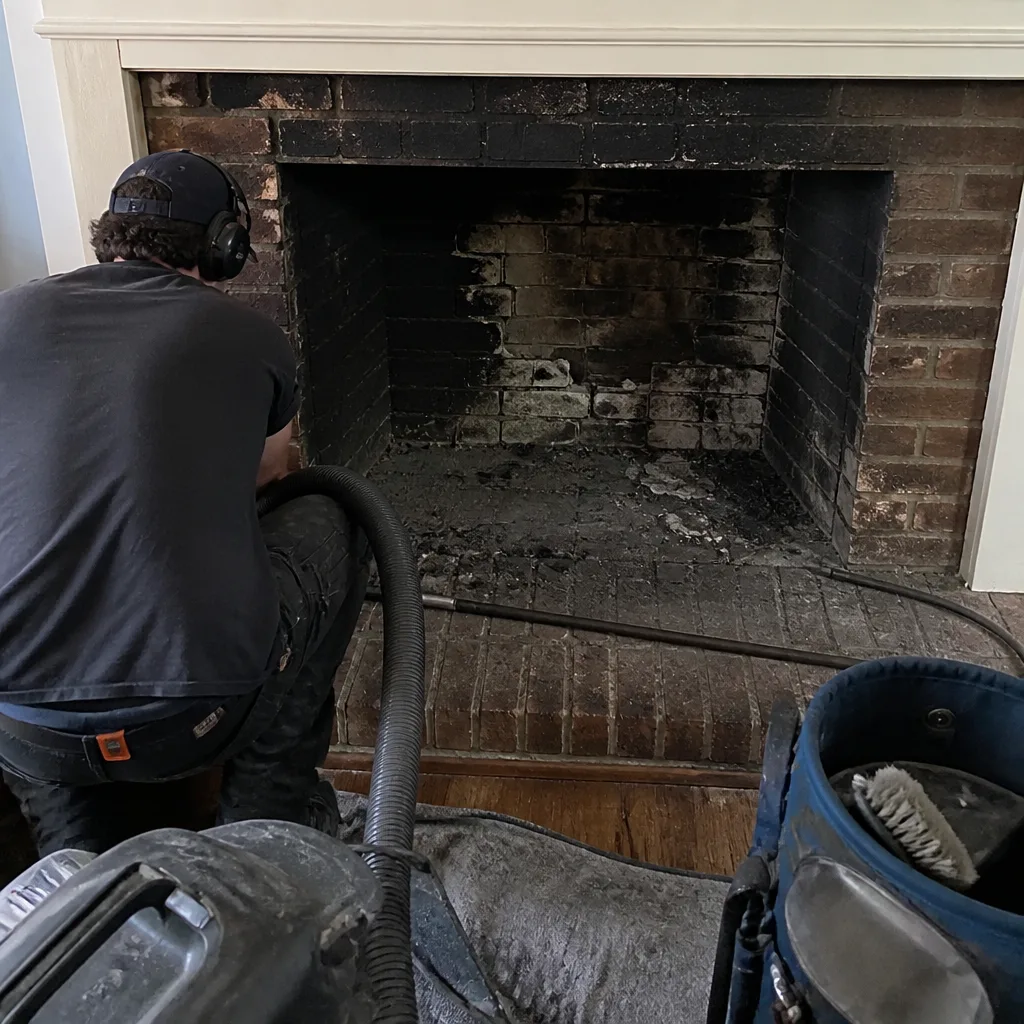 Before
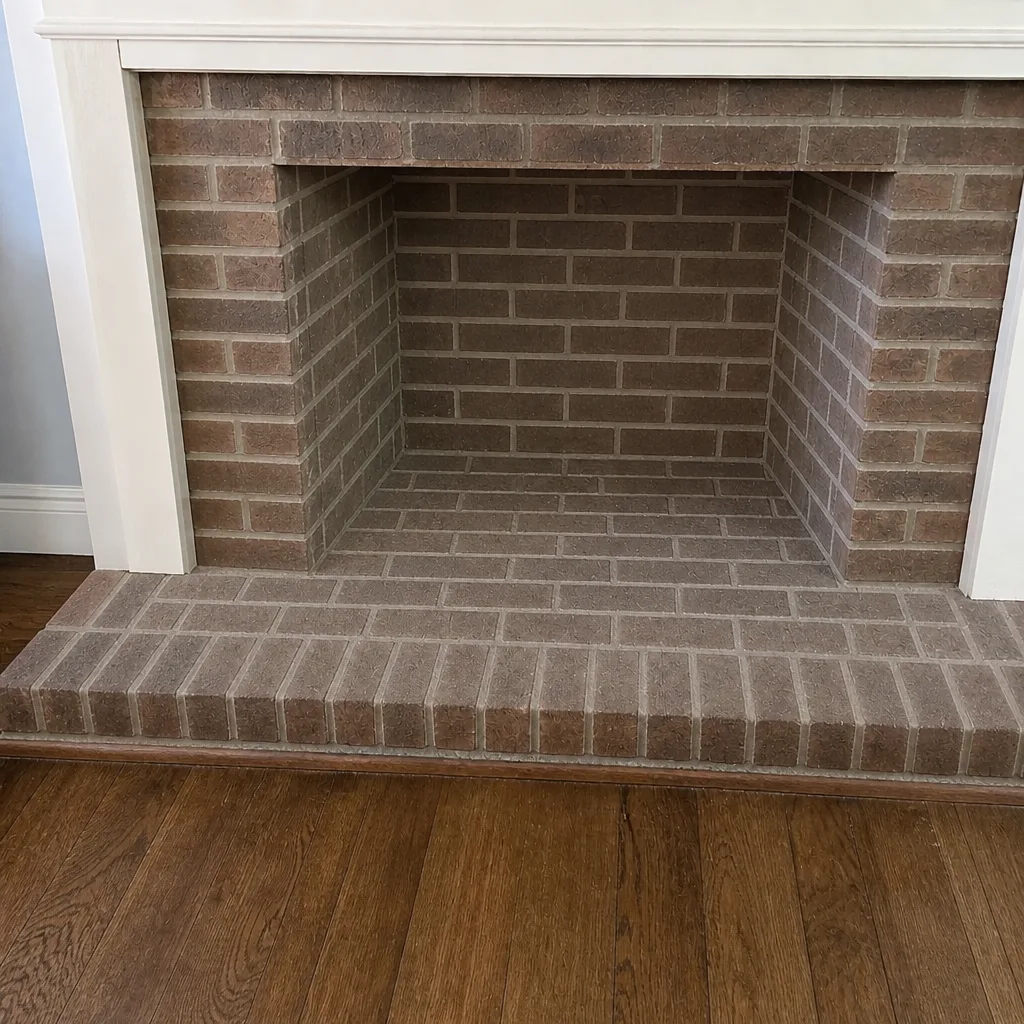 After
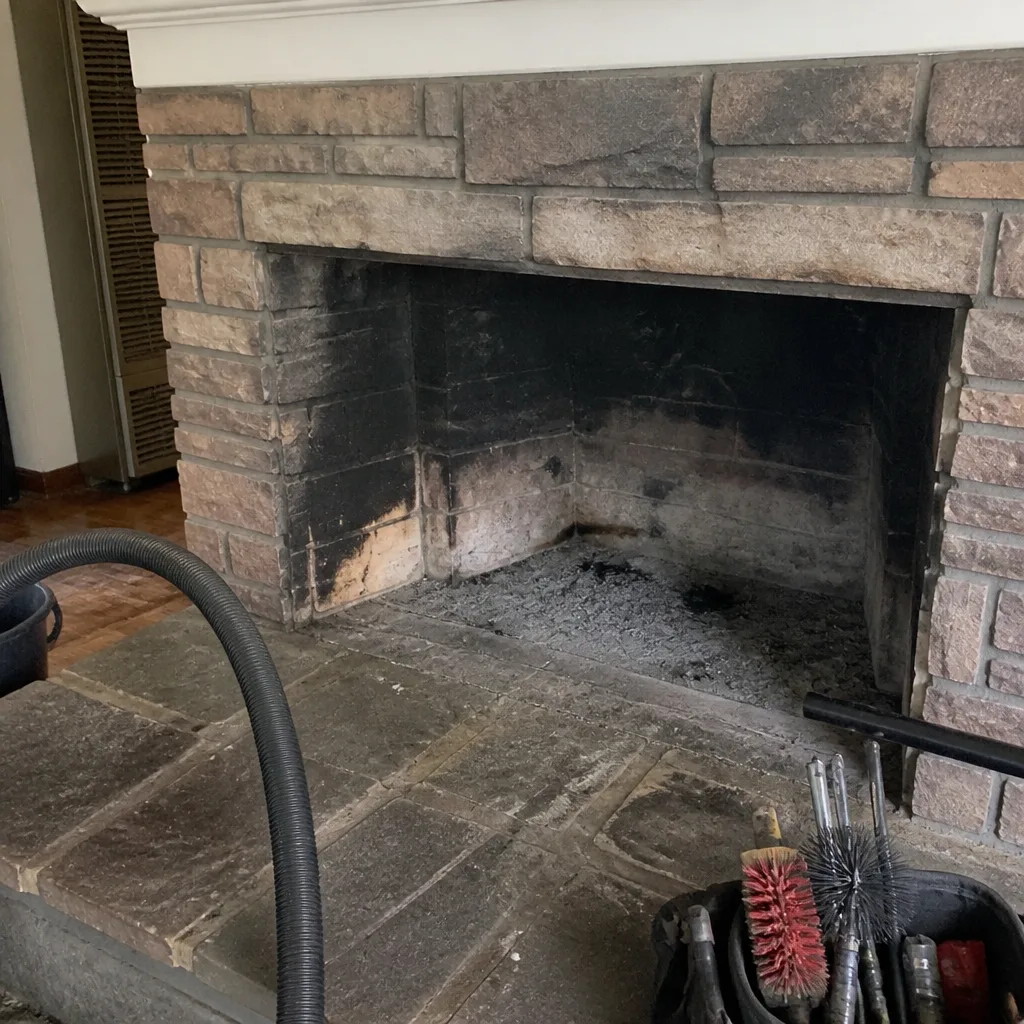 Before
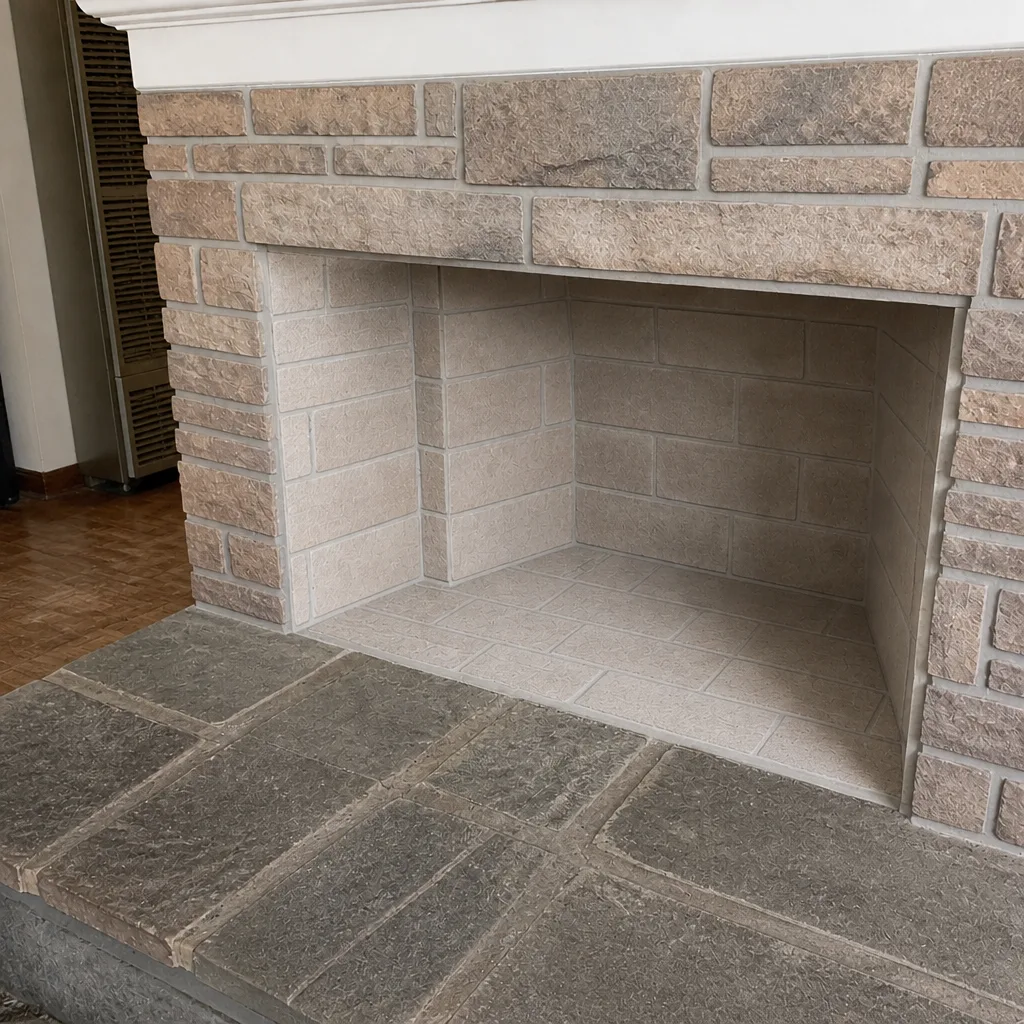 After
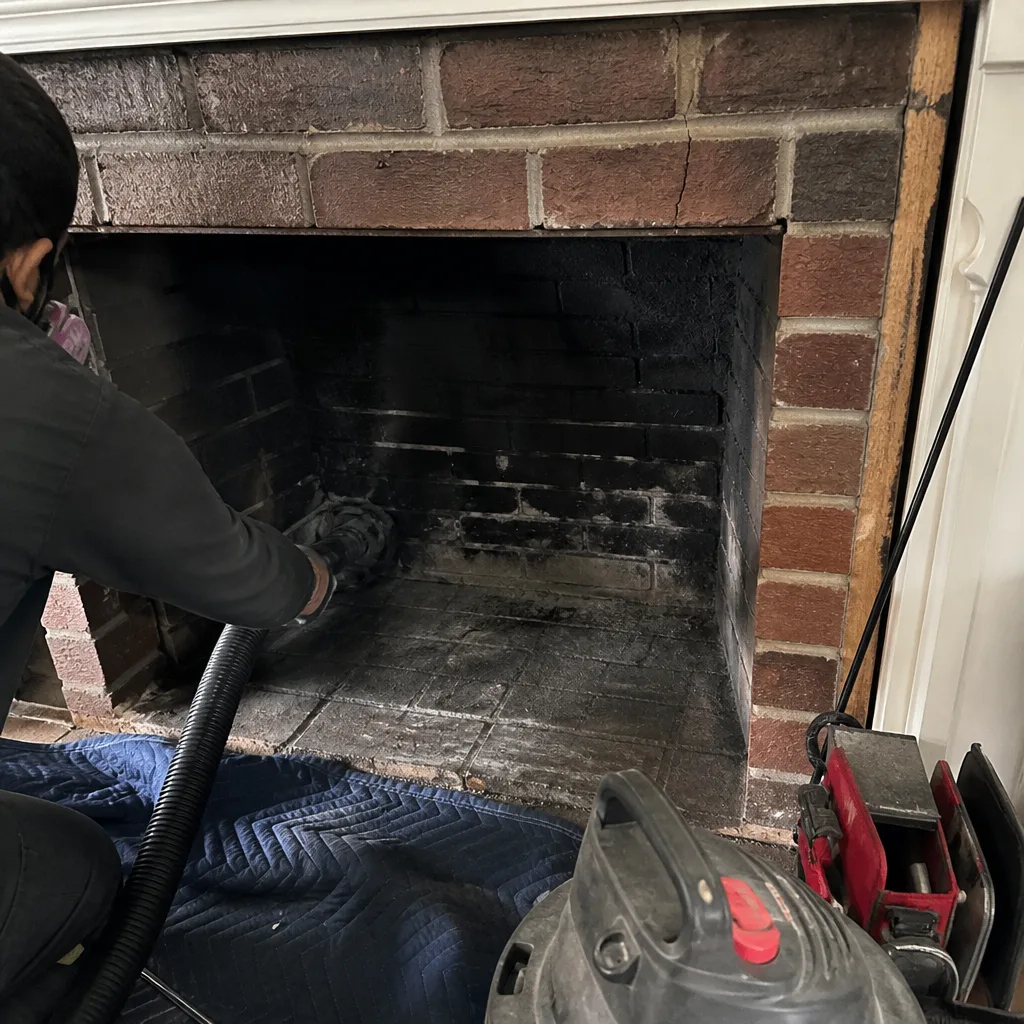 Before
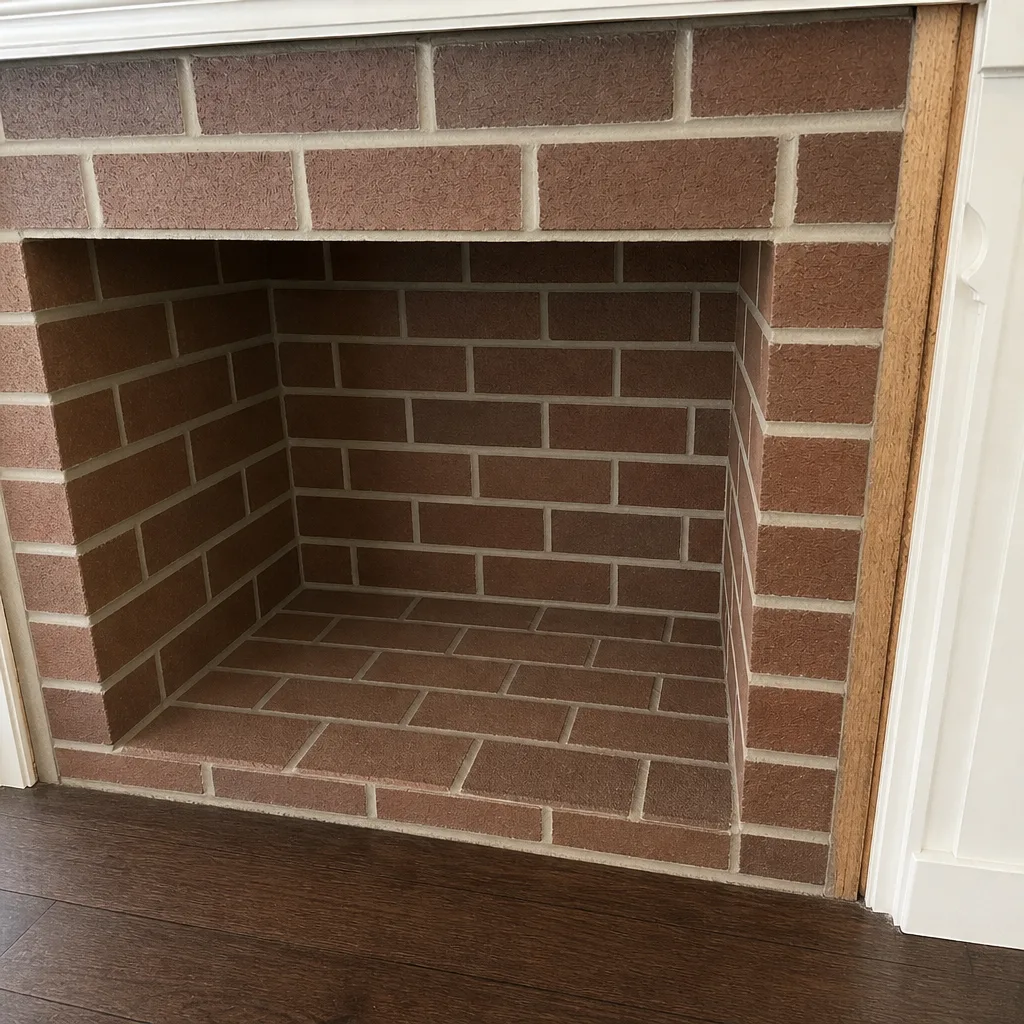 After
When to Call a Professional
Call a professional sweep in Durham when you’re buying a home with an existing fireplace before you first use it, when you have a chimney fire (even a small one), when you’re changing fuel types or appliances, when the chimney draws poorly or smells like smoke between burns, or when the exterior shows spalling brick or a cracked crown. If the firebox or flue hasn’t been looked at in years, schedule an inspection to establish a baseline. And if the dryer is taking noticeably longer to dry a load, add a vent cleaning to the appointment. Durham Chimney Sweep offers free estimates in Durham. Call (866) 389-3509. We answer 24/7. Fast dispatch from 7am to 7pm, Sunday through Friday.
Frequently Asked Questions
Chimney cleaning cost in Durham depends on the type of chimney, its condition, and whether repairs are needed, and the exact figure is set by a written estimate before any work begins. Estimates are free, so the most reliable way to know your number is to have the chimney looked at. Call (866) 389-3509 for a free estimate.
An inspection is due at least once a year under NFPA 211, and cleaning frequency depends on what the inspection finds. Because Durham’s humid summers accelerate creosote buildup more than drier climates, active wood-burners often need a sweep more than once a year. Call (866) 389-3509 for an exact quote on a cleaning and inspection.
Only if the inspection shows the existing liner is genuinely failing, and you should be able to see the evidence in camera photos before agreeing to anything. Many chimneys that look like reline candidates can be resurfaced instead, depending on the extent of the damage. A written report with photos makes the decision clear. Call (866) 389-3509 to schedule an inspection.
Creosote builds up with every fire, and in Durham’s climate it hardens into Stage 3 glaze that’s harder to remove the longer it’s left. The real risk is a chimney fire starting in creosote the homeowner never saw, which is why the work is scheduled before the first fire of the season. Call (866) 389-3509 for a free estimate and get a baseline on what’s inside your flue.
Before you use the fireplace for the first time, and ideally before the start of the heating season when schedules fill up. A Level 2 inspection with a camera is the right starting point for a home with an unknown chimney history, common in older Durham neighborhoods. Call (866) 389-3509 to book an inspection.
Yes. Dryer vent cleaning is part of our core service in Durham because lint buildup in the vent is a recognized fire hazard, and the same safety logic applies to both vents. It can be scheduled alongside a chimney cleaning. Call (866) 389-3509 for a free estimate.
The Bottom Line
Durham’s humid summers and clay-heavy soil make chimney care here genuinely different from generic advice. Creosote hardens faster, moisture intrudes from the outside in, and the annual inspection NFPA 211 calls for is a minimum, not a guarantee of safety. What you can control is when you schedule, whether you ask for documentation, and whether the company you call is actually a chimney specialist. From the firebox to the crown, we clean, inspect, and repair what we find so you don’t need a second company. Durham homeowners who want a baseline on their flue should start with an honest look inside.
Our team has served Durham since 2015, and we work with professional-grade products from brands like Olympia Chimney and Famco because trade-level materials matter on a system that runs through the center of your home. If it’s been a while, or if you’ve just moved in, book an inspection before the first fire of the season.
Call Durham Chimney Sweep at (866) 389-3509 for a free estimate. We answer 24/7. Fast dispatch from 7am to 7pm, Sunday through Friday.
Written by the team at Durham Chimney Sweep, serving Durham since 2015.