
Last updated November 14, 2026
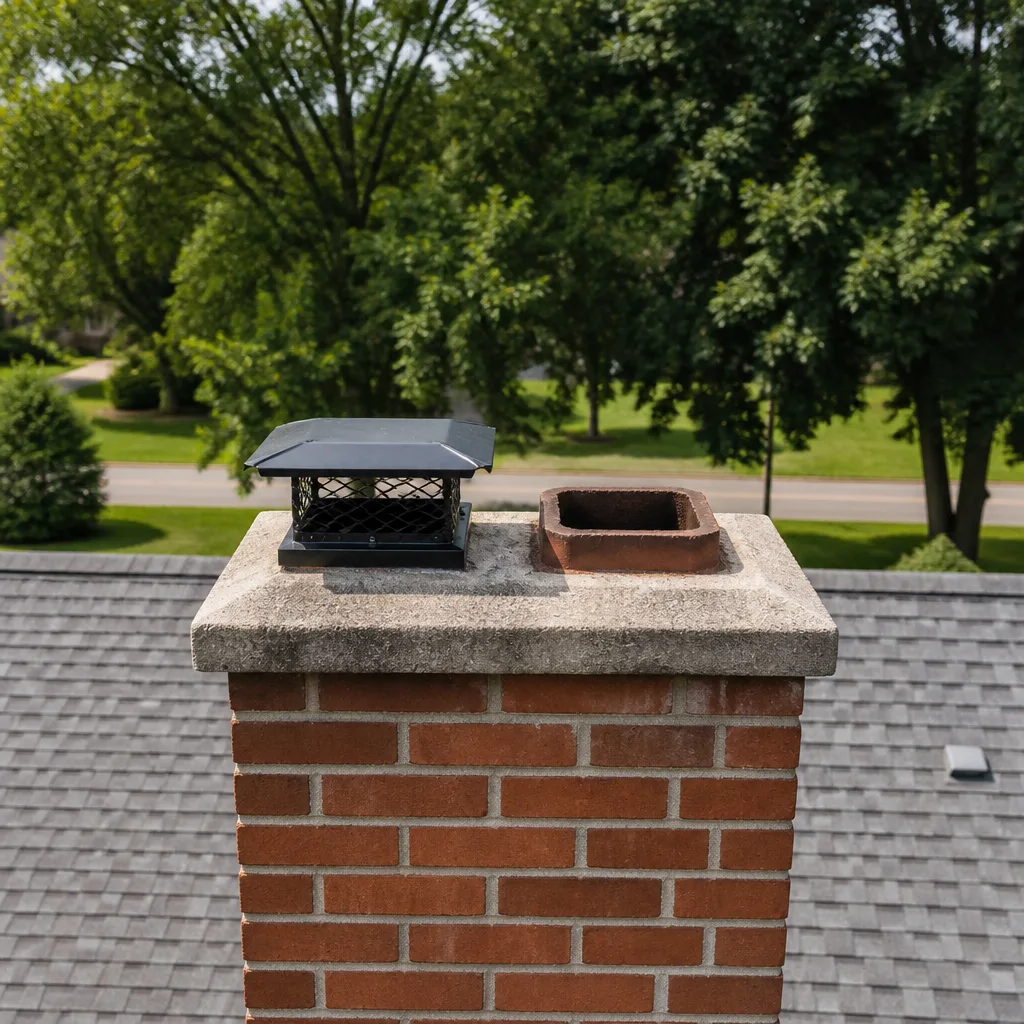 Sweep & inspection
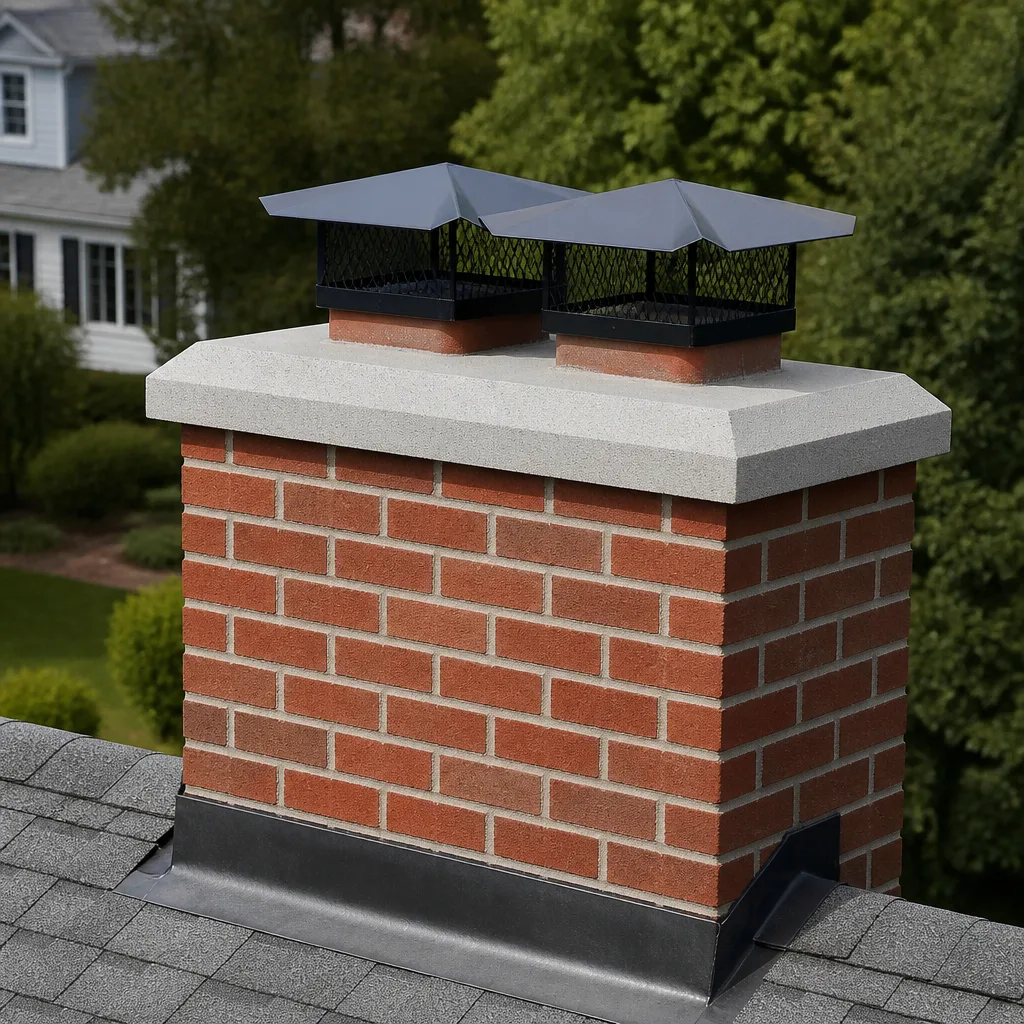 Caps & crowns
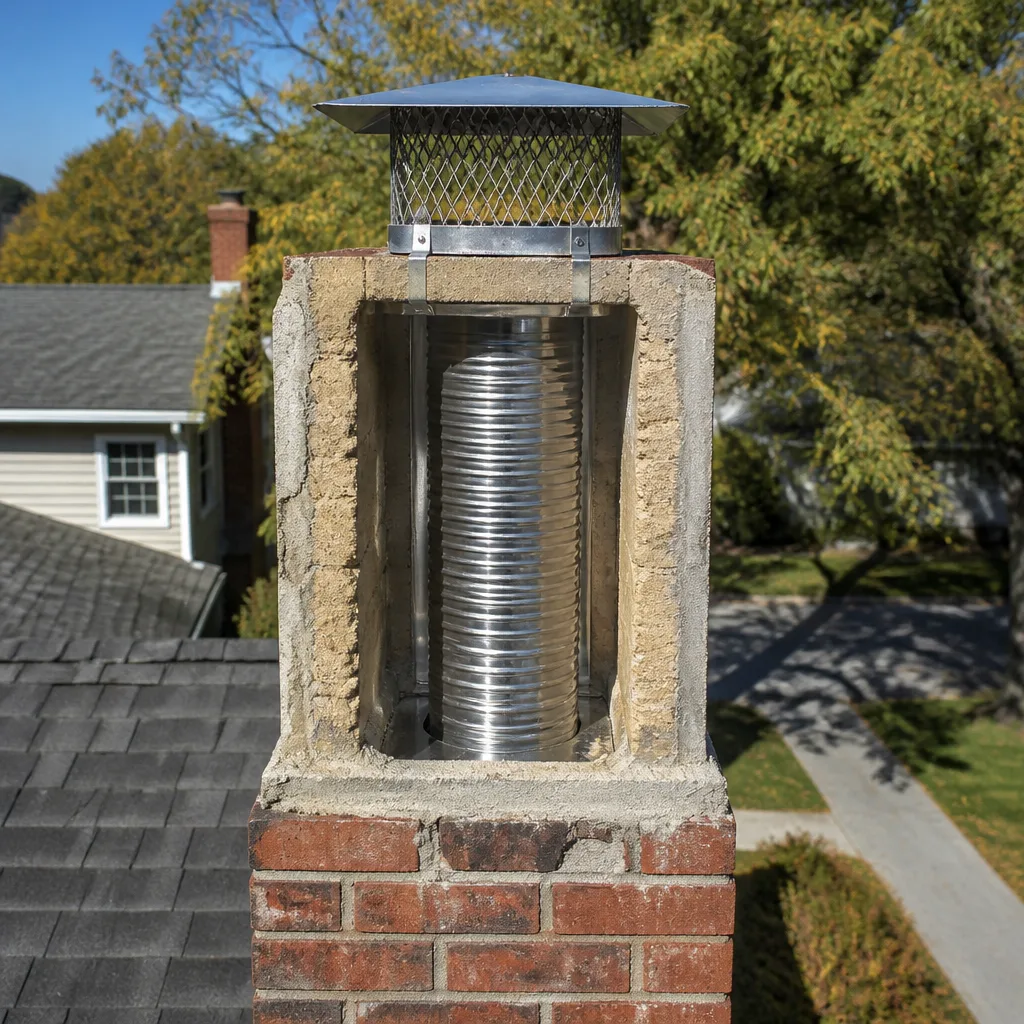 Flue relining
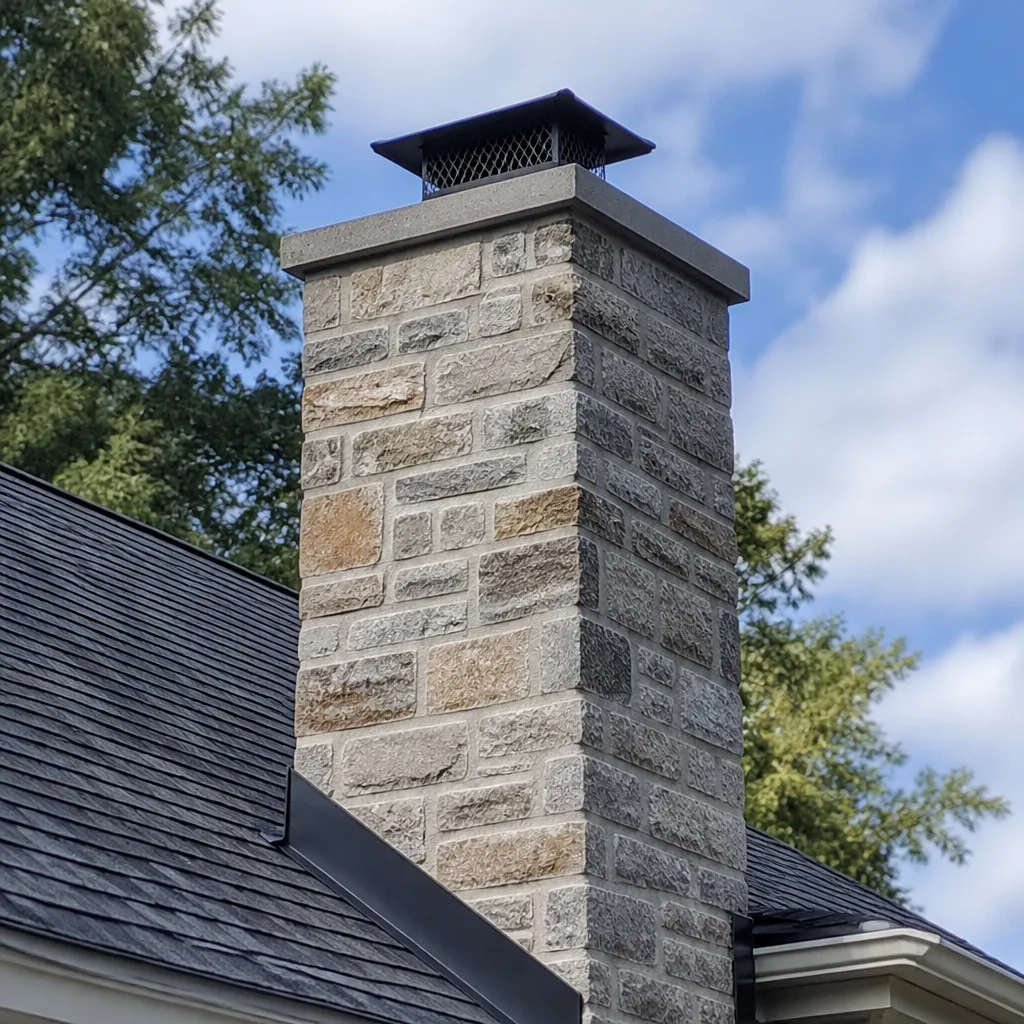 Masonry repair
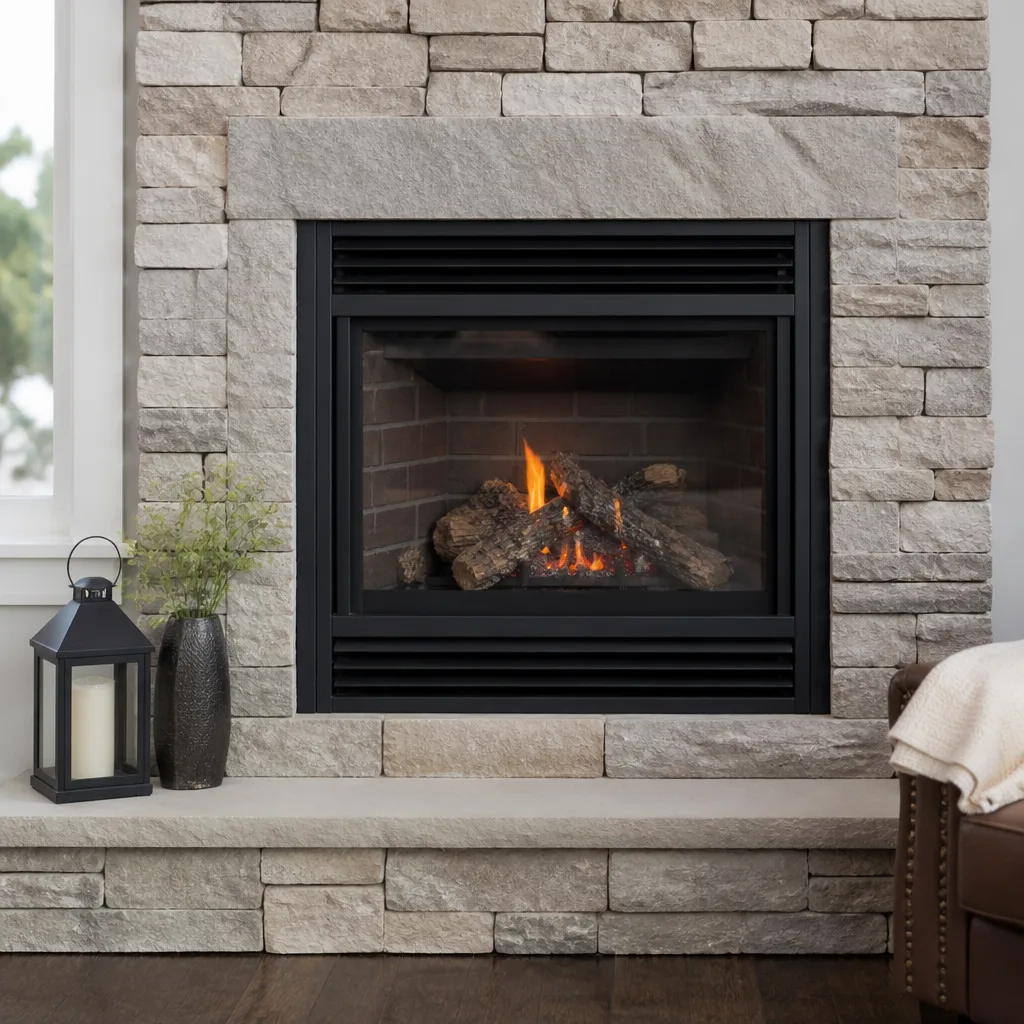 Gas fireplace service
Level 1 sweep and inspection to the NFPA 211 annual standard - flue, crown, cap, and flashing checked and photographed
Chimney sweep logs do not sweep chimneys. They loosen some creosote - which then falls where a brush and vacuum still have to collect it.
Chimney Cleaning Permits, Codes & Inspections in Durham, NC: What You Need to Know
Here’s the part that surprises most homeowners: getting your chimney swept almost never requires a permit. Getting your chimney repaired almost always does. That gap catches people off guard. A masonry crown gets rebuilt, a flue liner gets replaced, a cap gets swapped out, and nobody pulls a permit because the contractor says it’s a “small job” or because the homeowner didn’t know one was needed. Then the house goes on the market and an inspector flags the work. In Durham, North Carolina, where a large share of the housing stock predates modern venting standards, unpermitted chimney work is one of the most common issues that surfaces during a home inspection and stalls a sale.
This guide walks through exactly where that line sits: what’s permit-exempt, what triggers a building permit, how Durham County’s inspection process works, which code sections govern chimney work, and what to do when you’re not sure. If you’ve ever wondered whether your chimney contractor is playing it straight, this is for you.
Quick Answer
In Durham, NC, routine chimney cleaning and sweeping are permit-exempt, but structural chimney repairs (relining, crown rebuilds, cap replacement, masonry work) generally require a building permit under the North Carolina Residential Code, with inspection by Durham County. Only a licensed contractor or the property owner can pull that permit. If a chimney company tells you a repair doesn’t need a permit, ask them to put that in writing before any work begins.
Styles & brands we work with
- Sweep & inspection
- Caps & crowns
- Flue relining
- Masonry repair
- Gas fireplace service
Table of Contents
- What Actually Requires a Chimney Permit in Durham?
- How Do Durham County Inspections Work?
- Which Code Sections Apply to Chimney Work in NC?
- What Does “Code Compliant” Mean on an Invoice?
- How Unpermitted Chimney Work Affects Insurance
- Durham’s Older Homes and Chimney Code Reality
- How to Verify Your Chimney Contractor Is Legitimate
- Common Mistakes to Avoid
What Actually Requires a Chimney Permit in Durham?
Sweeping a chimney is a maintenance task, similar in spirit to changing your HVAC filter. It doesn’t alter the structure, doesn’t change venting clearances, and doesn’t involve new materials that need to meet code. That’s why it doesn’t require a permit anywhere in North Carolina, including Durham. Every reputable chimney sweep in Durham operates on that basis, and so do we.
The moment the work crosses from maintenance into alteration or repair, the picture changes. Here’s roughly how the line falls:
- No permit typically required: Chimney sweeping, visual inspections, camera inspections, minor cap tightness checks, replacing a spark arrestor screen, and cleaning of the firebox.
- Building permit generally required: Installing or replacing a flue liner, rebuilding a damaged crown, replacing a chimney cap with a new structural mount, rebuilding masonry above the roofline, adding or altering a chimney, installing a new wood stove or insert, and converting a fireplace to gas with a new venting configuration.
Those categories aren’t set by us. They come from how North Carolina adopts and enforces the International Residential Code (IRC) through the NC Residential Code, which the state updates on its own cycle. The code itself doesn’t say “chimney repair needs a permit” in those exact words. Instead, the permit requirement comes from the general rule that any structural work, any alteration to a building system, and any new installation requires a permit unless specifically exempted. Chimney repair falls under that umbrella.
If you’re staring at a cracked crown on a 1940s house in Watts-Hillandale or a deteriorating liner in a Trinity Park bungalow, the practical answer is: assume a permit is needed until a licensed contractor tells you otherwise, in writing.
How Do Durham County Inspections Work?
Durham County administers building permits and inspections within its jurisdiction, and the City of Durham does the same for properties inside city limits. Both follow the same state-adopted code, so the substance of the inspection doesn’t change much. The process itself is fairly straightforward:
- The permit is pulled before work starts. Either the licensed contractor or the homeowner can pull it. In practice, the contractor usually does, because the contractor’s license number is attached to the permit and the inspection record.
- The work is performed to the permitted scope. Any deviation from the approved plan means an amended permit or a rejected inspection.
- The contractor calls for inspection. Chimney work typically requires one or more inspections: one at framing or rough-in (for a new liner installation, for example), and a final inspection once the work is complete.
- The inspector reviews against the code, not against the contractor’s opinion. Clearances, liner material, termination height, cap attachment, and venting configuration all get checked.
- The permit is closed, and the record stays with the property. That record is what a future buyer’s inspector will look for.
One thing worth knowing: inspectors in Durham are busy, and inspection scheduling can add days to a job. That’s normal. It’s also not a reason to skip the permit. If a contractor offers to “save you time” by not pulling one, they’re offering to save you time by creating a problem for later.
The other thing worth knowing: a homeowner can legally act as their own general contractor on their own home in North Carolina, but that doesn’t mean a homeowner should self-perform chimney repair. Venting work involves combustion byproducts, carbon monoxide risk, and clearance requirements that vary by appliance type and chimney material. This isn’t a weekend project category.
Which Code Sections Apply to Chimney Work in NC?
Two code frameworks govern chimney work in Durham and across North Carolina: the IRC (as adopted by the state) and NFPA 211, the Standard for Chimneys, Fireplaces, Vents, and Solid Fuel-Burning Appliances. The IRC is the legally enforceable building code. NFPA 211 is the industry standard that inspectors, chimney professionals, and insurers reference for best practice. Where the two overlap, the stricter requirement generally governs.
Key IRC sections for chimney work
- IRC Chapter 10 (Chimneys and Fireplaces): Covers masonry and factory-built chimney construction, hearth extension requirements, clearance to combustibles, and termination height. This is where the “3-2-10 rule” for chimney height comes from (chimneys must extend at least 3 feet above the roof penetration, and 2 feet above anything within 10 feet).
- IRC Chapter 18 (Chimneys and Vents): Covers venting of appliances, connector requirements, and the clearance rules for single-wall and double-wall vent pipe.
- IRC Chapter 24 (Fuel Gas): Applies when a fireplace or appliance is converted to gas, including venting and combustion air requirements.
- IRC Chapter 15 (Exhaust Systems): Covers dryer vent requirements, which is directly relevant to dryer vent cleaning and dryer duct replacement.
Key NFPA 211 provisions
- Standard clearances from chimney exteriors to combustible materials (typically 2 inches for exterior masonry chimneys, and 1 inch for interior ones, though it varies by assembly).
- Liner requirements for masonry chimneys, including the requirement for a continuous liner when the flue is relined.
- Inspection levels (Level 1, 2, and 3), which determine how thorough an inspection needs to be based on the situation.
- Requirements for chimney caps and spark arrestors where applicable.
You don’t need to memorize any of this. What you need to know is that “code compliant” isn’t a marketing phrase. It’s a specific claim that the installation meets IRC and NFPA 211 requirements, and it’s verifiable through the permit and inspection record.
In our work around Durham, the code issues that come up most often involve clearances on older masonry chimneys (where original construction standards were looser), liner gaps on chimneys built before continuous liners were standard, and crown condition that fails the water-shedding requirement and lets freeze-thaw cycles do the rest.
What Does “Code Compliant” Mean on an Invoice?
When a chimney contractor writes “code compliant” on an invoice, they’re making a specific claim: the work they performed meets the applicable sections of the NC Residential Code and NFPA 211, and (if a permit was required) has been inspected and approved. But an invoice line item isn’t proof. Here’s how to tell the difference between a real compliance claim and a decorative one:
- Ask for the permit number. If a permit was pulled, there’s a number. If it wasn’t, and the work required one, the claim of code compliance is hollow.
- Ask for the inspection record. Durham County provides inspection results. A closed permit with a passed final inspection is real evidence.
- Ask what specific code sections the work addresses. A competent contractor can name the clearance requirement, the liner specification, or the termination height that applies. If they can’t, they’re guessing.
- Look for material brands. Professional-grade products (like DuraFlex flexible liners, Olympia Chimney components, or Copperfield caps) come with manufacturer installation instructions that reference the code requirements. Off-brand materials from an unknown source often don’t.
- Verify the contractor’s license. North Carolina requires licensing for general contractors and specialty trades above certain job values. A licensed contractor’s name and license number should appear on the permit.
The strongest position is the one where compliance is documented. In our experience, homeowners who ask these questions before the work starts almost never have to ask them again during a home sale.
If you want to see how a professional chimney company frames its work, you can read more about Durham Chimney Sweep and what our scope covers. If you’re specifically focused on the difference between a maintenance sweep and a repair that would trigger a permit, that distinction is exactly what we walk through on every estimate.
How Unpermitted Chimney Work Affects Insurance
This is where the stakes get real. If a chimney fire occurs and the insurance adjuster determines that the chimney had unpermitted structural work, or work that didn’t meet code, the claim can be denied, reduced, or disputed. That doesn’t mean every insurer will deny every claim. But it does mean you’re handing the insurer a reason to question coverage, and you’re doing it voluntarily.
Here’s how the logic typically plays out:
- The adjuster investigates the cause. After a chimney fire or carbon monoxide incident, the adjuster looks at the installation. Unpermitted liner work, missing clearances, or improper cap installation all become evidence.
- Unpermitted work is treated as a code violation. The insurer’s position is often that the homeowner accepted work that violated the building code, which can fall under a policy exclusion for code violations or negligent work.
- The contractor’s insurance may or may not help. If the contractor was licensed and insured, there may be recourse. If they weren’t, you may be on your own.
- The next buyer’s inspector finds it. Even if no fire ever occurs, unpermitted work typically surfaces in a home inspection and can become a negotiation item, a repair request, or a deal-breaker.
Nobody wants to think about this. But the reason to think about it is simple: chimney work is one of the few home systems where a failure mode is fire or carbon monoxide. The permitting system exists because the consequences are severe. Skipping the permit isn’t saving time; it’s transferring risk back onto you.
We’re not insurance professionals, and we don’t give policy advice. What we do is make sure that any repair work we perform is done in a way that will survive an insurance adjuster’s and a home inspector’s review, and we’ll tell you plainly if a permit is required before we start.
Durham’s Older Homes and Chimney Code Reality
Durham has a lot of homes built before 1970, and that matters for this conversation. A chimney built in the 1920s or 1940s to the standards of that era may not meet today’s code. That doesn’t automatically make it unsafe, and it doesn’t automatically trigger a legal obligation for the current owner. But it does change what happens when the chimney needs work.
Here’s the practical reality:
- Older masonry chimneys often lack a continuous liner. Many were built with a clay tile liner that has since cracked or deteriorated. Relining is the correct fix, and it requires a permit.
- Crowns on older chimneys are commonly failing. The concrete crown that sheds water away from the chimney top is typically the first thing to crack. A failed crown lets water into the masonry, which then freezes and expands, which then cracks the masonry further. Rebuilding a crown is a structural repair and typically requires a permit.
- Original clearances may have been reduced by later remodeling. A previous owner may have added framing, insulation, or siding closer to the chimney than the code allows. This is a common finding in older Durham neighborhoods, and it’s exactly the kind of issue an inspector catches.
- Testing for these issues requires a real inspection. A visual scan from the firebox isn’t enough. A camera inspection of the flue shows what’s actually going on with the liner.
For homeowners buying in these neighborhoods, a Level 2 inspection before first use is the right call. For homeowners who’ve lived in the same house for years, an inspection before the season starts is the practical one. Either way, the question isn’t whether the chimney will need work; it’s when, and whether that work will be done with a permit and an inspection record.
One note on the weather: Durham’s climate includes freezing winters and hot, humid summers. That combination is hard on masonry. Freeze-thaw cycles open cracks that summer humidity then feeds. It’s not a reason to panic, but it is a reason to look at the chimney every year rather than every five.
How to Verify Your Chimney Contractor Is Legitimate
You don’t have to take any of this on faith. Here’s a straightforward way to check whether the chimney contractor you’re talking to is going to handle the permit side correctly:
- Ask what work they consider permit-required. A contractor who says “none of it needs a permit” is either misinformed or cutting corners. A contractor who can describe the line clearly is the one to trust.
- Ask for their license number. North Carolina has a licensing board, and the number is verifiable. A legitimate contractor will share it without hesitation.
- Ask what brand of liner and cap they use. Professional-grade materials from brands like DuraFlex, Olympia Chimney, or Famco come with installation instructions tied to the code. Off-brand substitutes often don’t.
- Ask how the inspection will be handled. Who pulls the permit? Who calls for inspection? What happens if the inspection fails?
- Ask for the written estimate to state the permit status. A clear, written estimate should list whether a permit is included, whether it’s required, and who’s pulling it.
- Ask for the invoice to reference the permit number. If the work required a permit, the invoice should reference it, and the inspection record should be closeable.
None of these questions are hostile. They’re the same questions a responsible contractor would ask themselves. If a contractor seems irritated by them, that tells you something.
We’re licensed and insured, we work with the brands that chimney professionals actually trust, and we handle the permit conversation up front rather than tacking it on after the fact. That’s not a sales pitch; it’s the baseline for work that touches your chimney.
Common Mistakes to Avoid
- Assuming “small job” means no permit. A cap replacement or a small crown repair is still a structural alteration if it changes how the chimney sheds water or how the vent terminates. Ask specifically.
- Hiring a general handyman for chimney repair. Chimney work requires understanding combustion venting, clearances, and material compatibility. A handyman who does chimney repair “on the side” often doesn’t know what he doesn’t know, and the permit process usually exposes that.
- Letting a contractor self-certify their own compliance. “We’re code compliant” isn’t verification. A permit number and an inspection record are. Ask for both.
- Skipping the inspection because the chimney “seems fine.” A chimney can have a cracked liner or reduced clearance without any visible sign from the firebox. The inspection is what catches it.
- Accepting an off-brand liner as a substitute for a name-brand system. Liners are a safety-critical component. Insist on materials from a recognized manufacturer with documentation.
- Forgetting to check the dryer vent while you’re at it. The dryer vent cleaning service we offer exists because the same principles apply: a vent with lint buildup or improper installation is a fire hazard, and it’s frequently overlooked because it’s out of sight.
- Ignoring a home inspector’s chimney findings during a purchase. Those findings almost always need to be resolved with a licensed contractor and, where required, a permit. Getting them addressed before closing is far cheaper than discovering them later.
See the difference
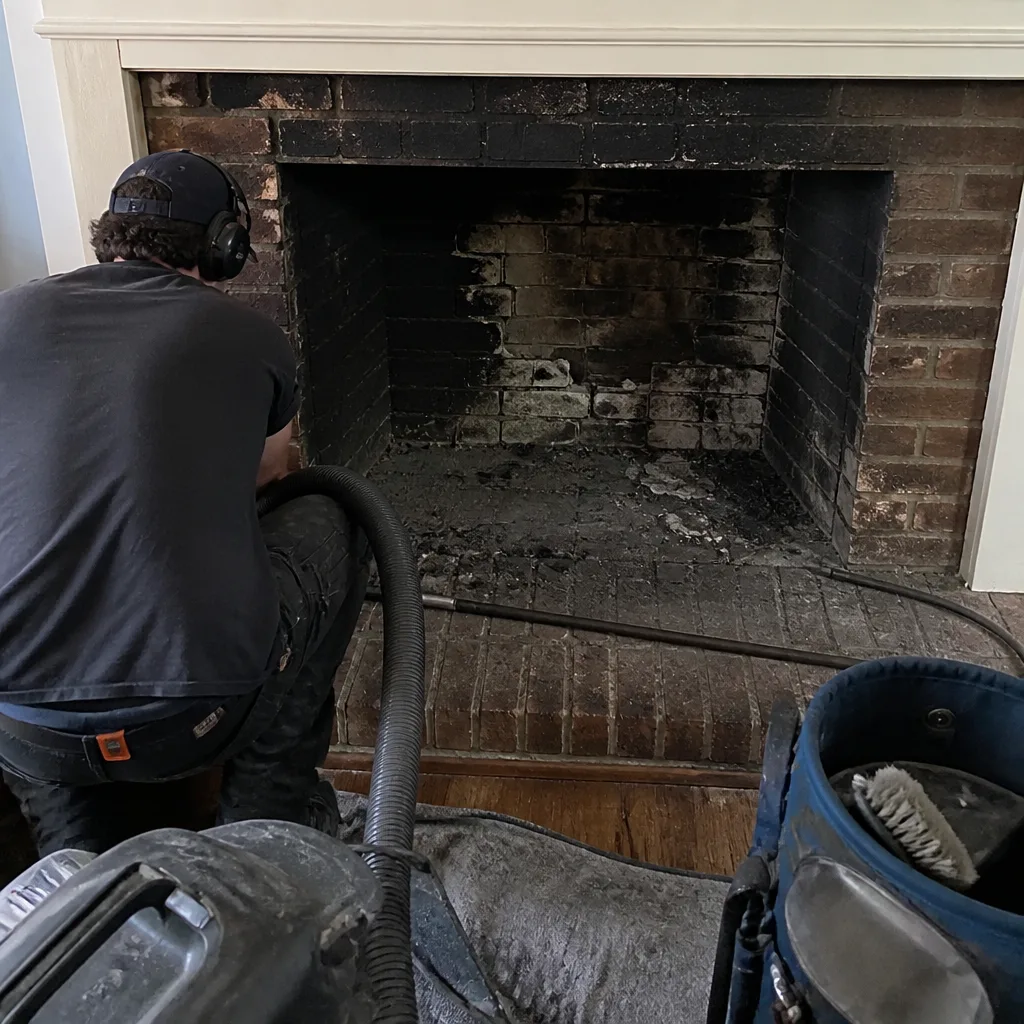 Before
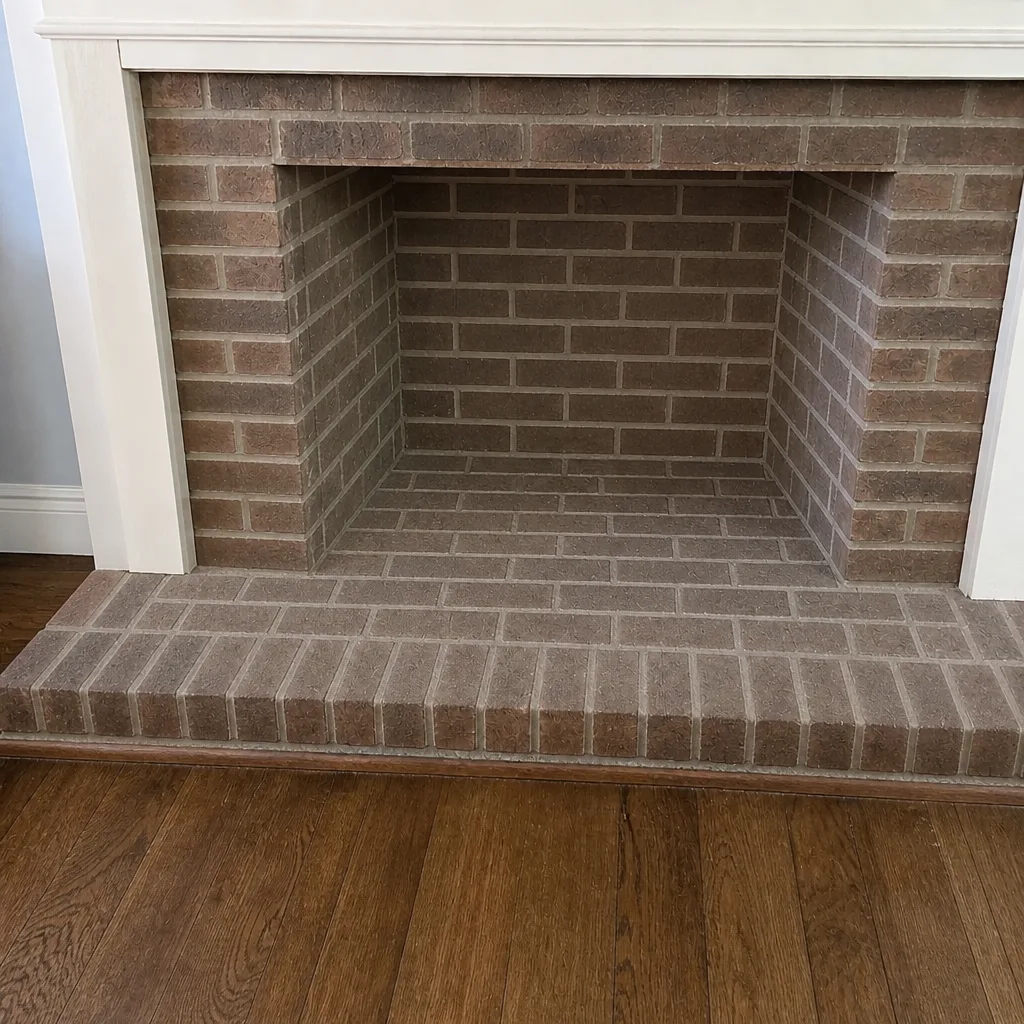 After
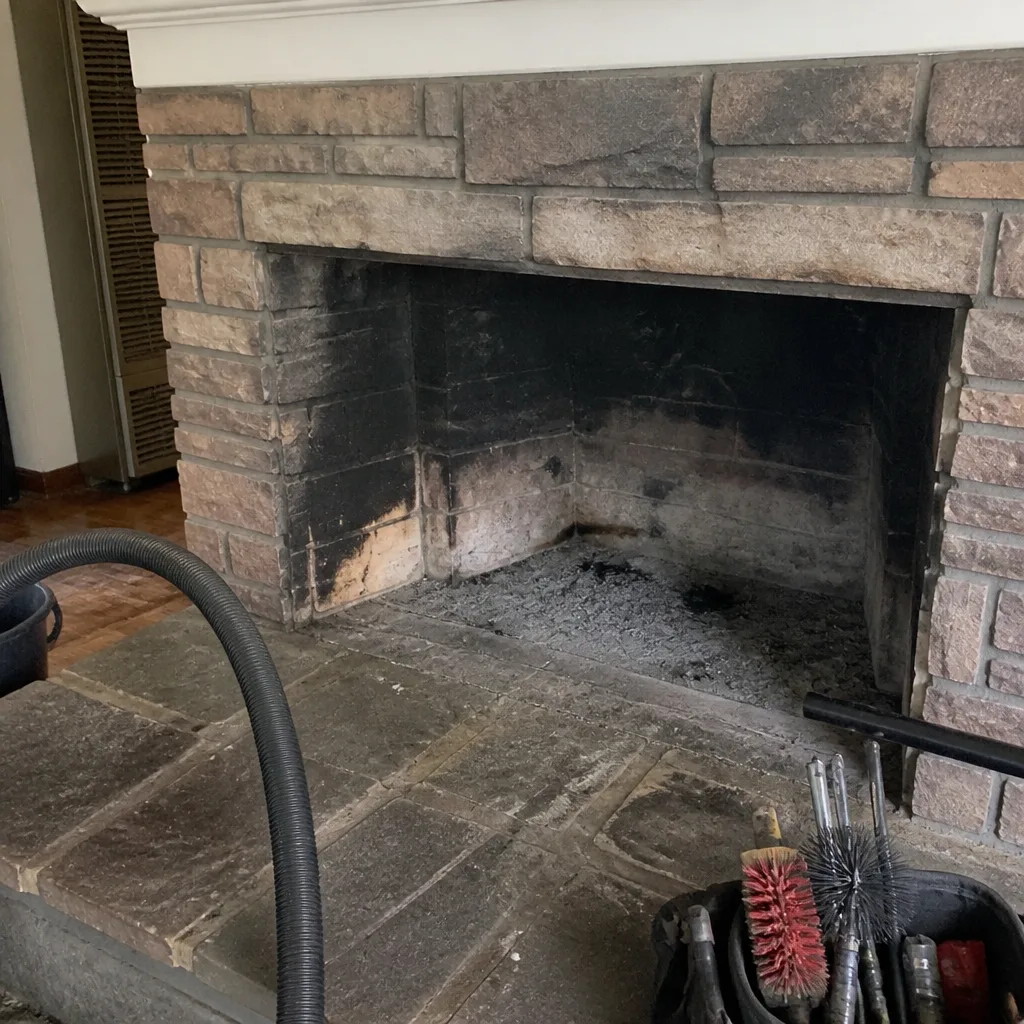 Before
 After
 Before
 After
When to Call a Professional
There are a few situations where the answer is “now”:
- You’ve just bought a home with an existing fireplace or wood stove and haven’t had it inspected yet.
- You’ve noticed smoke rolling into the room, a persistent draft, or a smell of creosote from the chimney.
- Your chimney cap is damaged, missing, or loose.
- There’s visible cracking or spalling on the chimney exterior masonry, or the crown looks compromised.
- Your dryer is taking longer to dry clothes, or the dryer vent hasn’t been cleaned since the last time.
- A home inspection flagged the chimney, and you want a professional second look.
For any of these, Durham Chimney Sweep offers free estimates in Durham. Call (866) 389-3509. We answer 24/7. Fast dispatch from 7am to 7pm, Sunday through Friday.
Frequently Asked Questions
No. Routine chimney cleaning and sweeping don’t require a permit in Durham or anywhere in North Carolina. That changes the moment the work involves a repair, a liner replacement, a cap installation, or structural masonry. When in doubt, ask your contractor to put the permit status in writing before work starts. Call us at (866) 389-3509 if you want to talk through whether your specific situation requires one.
Either the licensed contractor or the property owner can pull the permit in Durham County. In practice, the contractor usually pulls it because their license number is attached to the permit record. A homeowner pulling their own permit for chimney work should be aware that the inspection still applies, and chimney repairs aren’t a category we’d recommend a homeowner self-perform.
Several things can happen. The work may fail a future home inspection, requiring correction before a sale. The insurance adjuster may question coverage after a fire or carbon monoxide incident if the work didn’t meet code. And the county may require corrective permitting and inspection after the fact. None of these outcomes are cheap, which is why the permit conversation should happen before the work does. Call (866) 389-3509 for a free estimate that includes the permit status.
It can. If a chimney fire or carbon monoxide event occurs and the adjuster determines that unpermitted work was performed, the insurer may dispute or reduce the claim. Some policies specifically exclude code violations or negligent work. We’re not insurance professionals and don’t give policy advice, but we make sure our work is documented in the way an adjuster will need to see it.
The North Carolina Residential Code, which adopts the International Residential Code, governs chimney construction and repair. NFPA 211, the industry standard for chimneys, fireplaces, vents, and solid fuel appliances, provides the technical reference that inspectors and chimney professionals use alongside the code. Both apply to work in Durham. We work with DuraFlex, Olympia Chimney, Famco, and Copperfield materials specifically because their installation requirements align with the code and give the inspector a clear standard to check against.
Cleaning a dryer vent doesn’t require a permit. Replacing dryer ductwork or changing the vent termination can trigger permit requirements in some cases, especially if the work alters the exterior of the home or changes the vent’s clearance to combustible materials. If you’re not sure, ask. And regardless of permits, dryer vent cleaning is worth treating as a fire-safety item, which is why we offer dryer vent cleaning as part of our core scope. Call (866) 389-3509 to book an estimate.
The Bottom Line
The line between permit-exempt chimney cleaning and permit-required chimney repair is clearer than most homeowners realize once they know what to look for. Sweeping doesn’t need a permit. Liner replacement, crown repair, cap replacement, masonry rebuilding, and any alteration to venting all typically do. Durham County inspects chimney work against the NC Residential Code and NFPA 211, and the inspection record is what protects you during a future home sale or an insurance claim.
The practical takeaway: ask your contractor to put the permit status in writing, confirm their license number, and insist on professional-grade materials. If a contractor resists these questions, that’s your answer. If you want a free estimate that includes a clear permit assessment, call Durham Chimney Sweep at (866) 389-3509. We answer 24/7. Fast dispatch from 7am to 7pm, Sunday through Friday.
And if you’re reading this because you’re shopping for chimney work in Durham, we’d rather answer the permit question on the phone before you book anything. Call (866) 389-3509. Estimates are free.
Written by the team at Durham Chimney Sweep, serving Durham since 2015.