
Last updated November 14, 2026
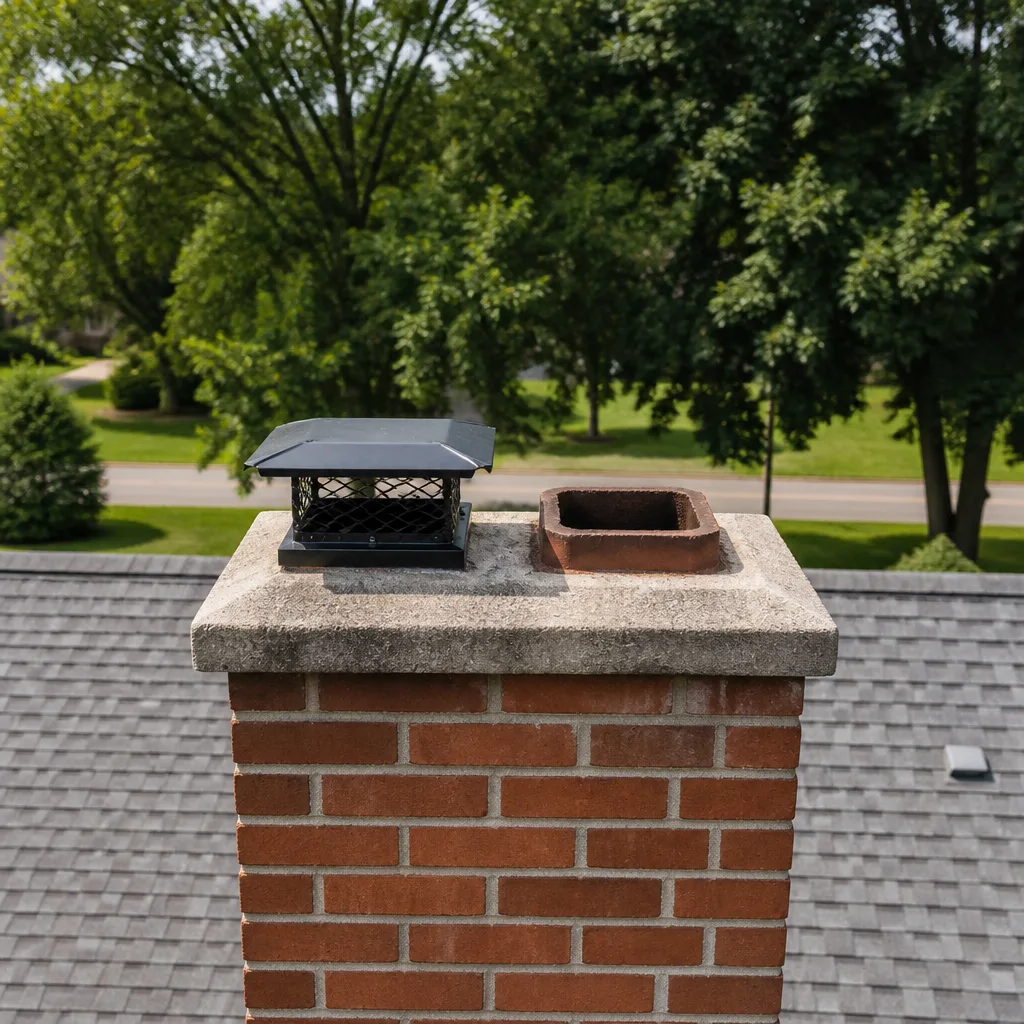 Sweep & inspection
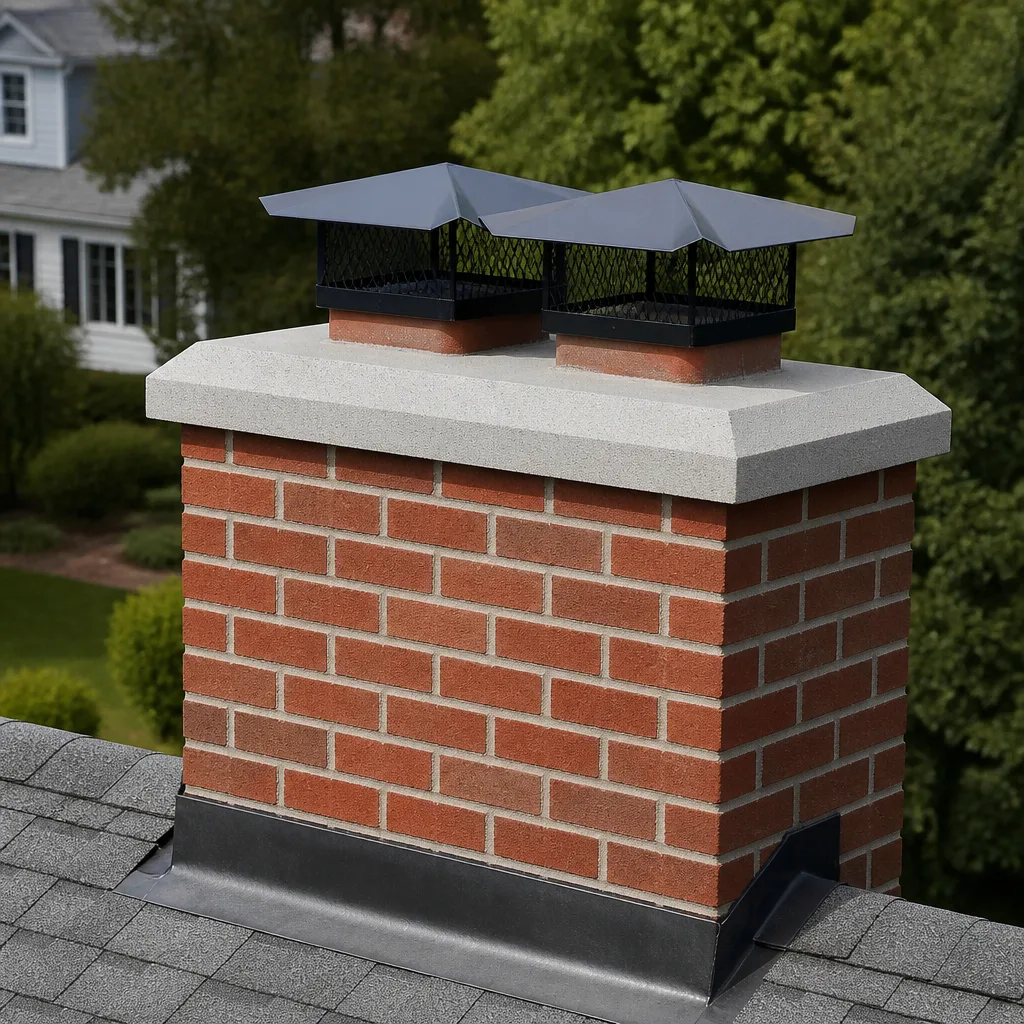 Caps & crowns
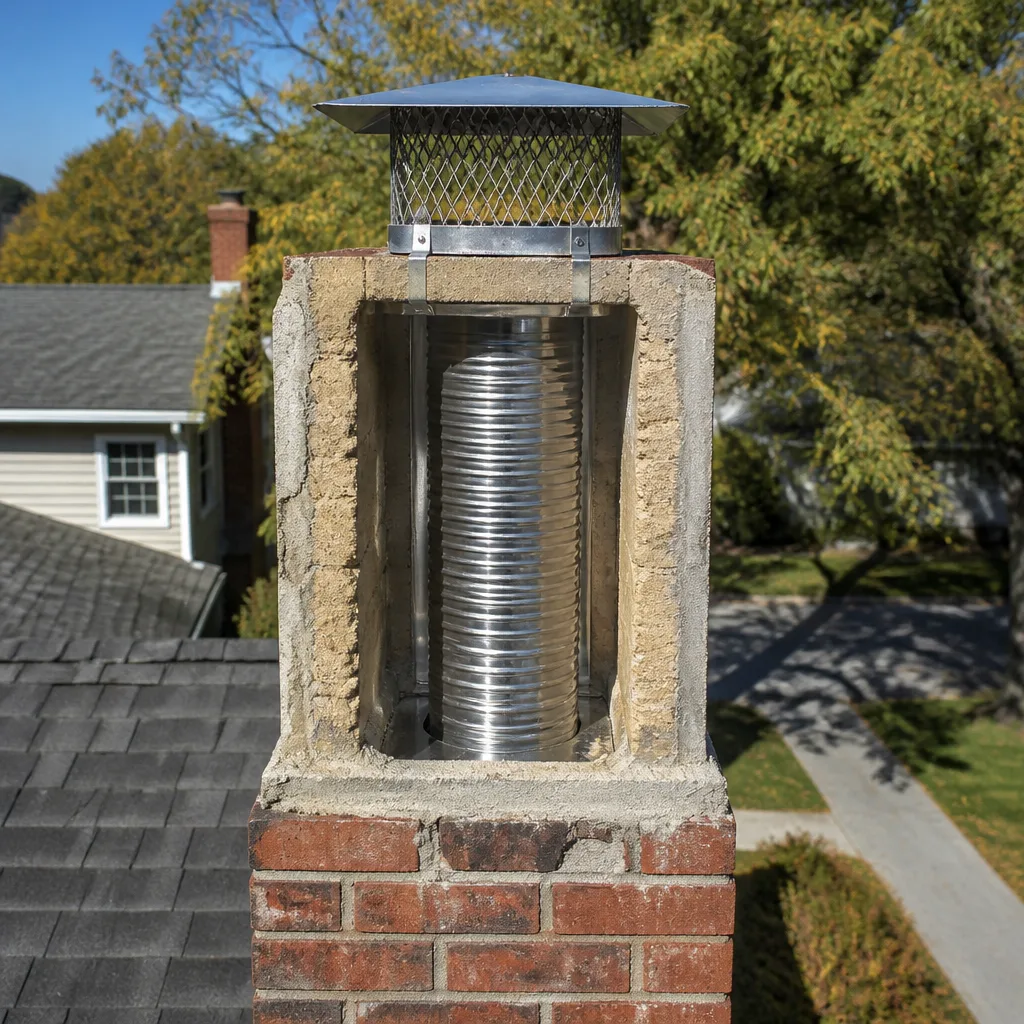 Flue relining
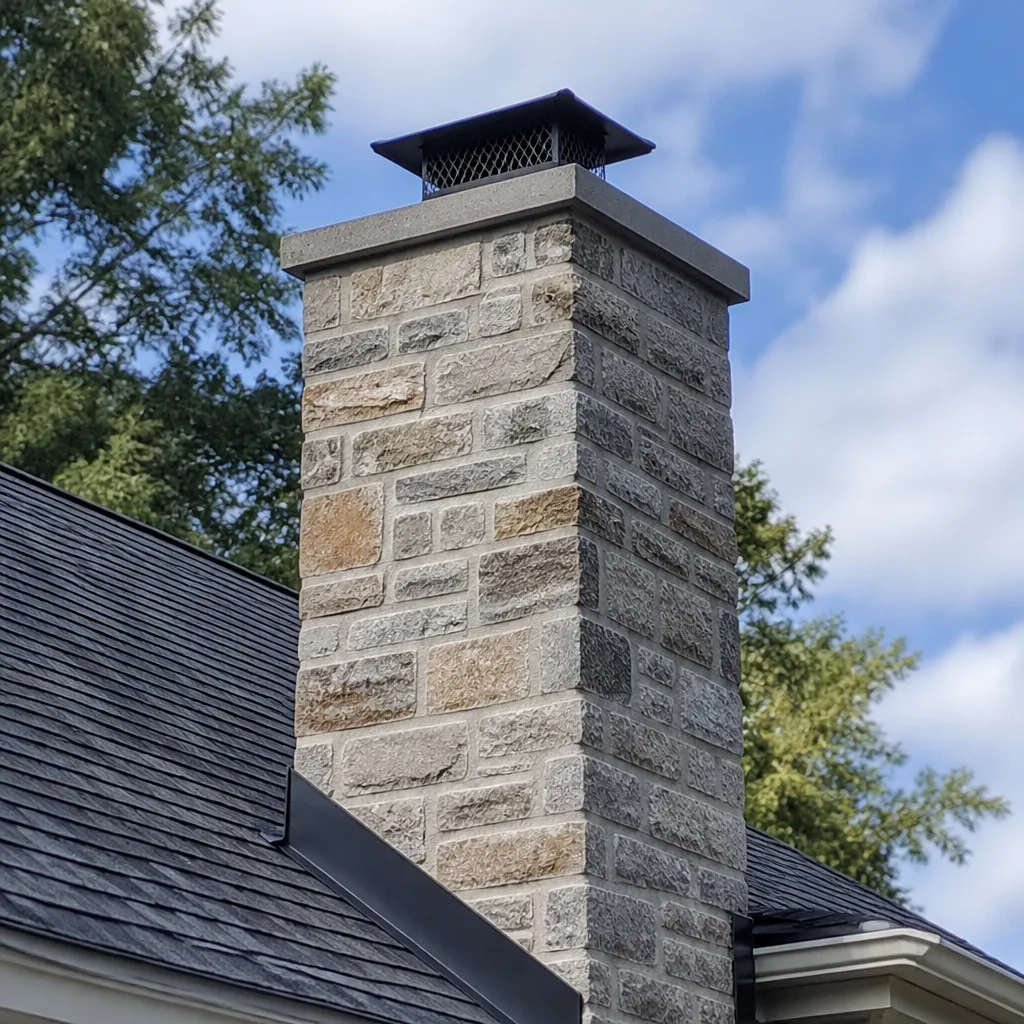 Masonry repair
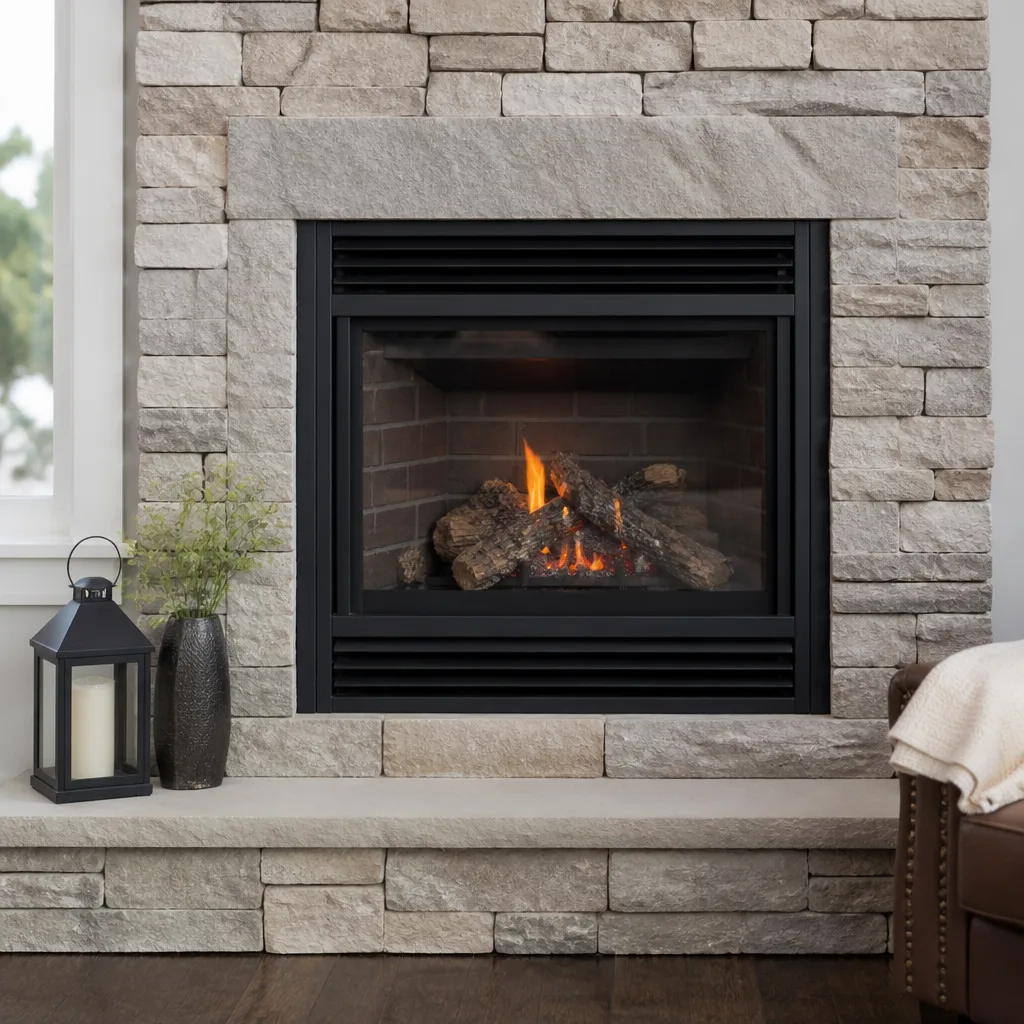 Gas fireplace service
Level 1 sweep and inspection to the NFPA 211 annual standard - flue, crown, cap, and flashing checked and photographed
Chimney sweep logs do not sweep chimneys. They loosen some creosote - which then falls where a brush and vacuum still have to collect it.
Chimney Cleaning Cost Breakdown: The Durham Homeowner’s Reference for 2026
Most chimney quotes fall apart on inspection because the homeowner has no idea what they’re actually buying. A $79 coupon and a $450 formal estimate can describe almost the same afternoon of work, or two very different levels of service – and from the outside, the paperwork looks nearly identical. The sticker price tells you nothing until you know what’s behind it: camera or no camera, insured or not, a sweep who repairs what he finds or a sweep who hands you a referral. This guide walks through every line item a legitimate Durham chimney invoice can contain in 2026, what the work really involves, and where the add-ons stop being worth your money.
Quick Answer
A standard chimney sweep in Durham typically runs $180 to $350 in 2026, and that price should include a Level 1 inspection with a camera look at the flue. A Level 2 video inspection usually adds $150 to $300, cap replacement runs $150 to $450, and liner or crown repairs move into the $600 to $3,500 range depending on the damage. The written estimate sets the final price, and any company quoting far below these numbers is either skipping the inspection or planning to make it up on the back end.
Styles & brands we work with
- Sweep & inspection
- Caps & crowns
- Flue relining
- Masonry repair
- Gas fireplace service
Table of Contents
- What You’re Actually Paying For in a Chimney Sweep
- Itemized Cost Breakdown for Durham in 2026
- Why Quotes Vary So Much Between Companies
- Add-Ons Worth Paying For vs. Upsells That Don’t Pencil Out
- How to Compare Quotes That Aren’t Structured the Same Way
- What Homeowner Insurance Covers and How to File a Claim
- Durham Housing, Climate, and What It Means for Your Chimney
- How Often You Actually Need a Sweep
What You’re Actually Paying For in a Chimney Sweep
A chimney sweep costs more than a broom and an hour of labor because the job is diagnostic as much as it is cleaning. When a technician arrives at a Durham home, the work runs from the firebox to the crown, and the goal is twofold: remove creosote and obstructions safely, and figure out whether the flue is sound enough to keep using. A sweep who only does the first half has left you guessing about the second.
Here’s what a professionally run sweep involves:
- Setup and protection. Drop cloths, a sealed work area, and a running shop vacuum with HEPA filtration so soot doesn’t migrate into the room.
- Brushing the flue. The right brush for the flue type – poly for stainless liners, wire for masonry where appropriate – worked from the top down or bottom up depending on access.
- Firebox and smoke chamber cleaning. The smoke chamber above the damper is where creosote glazes and where a rushed sweep skips time.
- Level 1 inspection. A visual check of the accessible portions of the chimney, firebox, damper, and cap, ideally with a camera to see the flue interior.
- Creosote assessment. A trained eye distinguishes stage 1 (light soot), stage 2 (flaky, brushable), and stage 3 (glazed, requires specialized removal).
- Photo report and notes. What was found, what’s fine, what needs attention and when.
That’s the core. Everything else on an invoice is either a repair, an upgrade, or a diagnostic step. Durham homeowners with masonry chimneys from the mid-century building boom often benefit from a camera inspection on the first visit if there’s no service history, since the flue interior condition is otherwise unknown. Our crew at Durham Chimney Sweep includes a camera look and a written report in every sweep so the homeowner can see what we see.
Itemized Cost Breakdown for Durham in 2026
These ranges reflect typical Durham market pricing for 2026. They are estimates, not quotes – the written estimate for your specific chimney sets the final number. Nothing here should be treated as a fixed menu.
- Standard chimney sweep (with Level 1 inspection and camera look): $180 to $350. Higher end covers a masonry flue with heavy soot, awkward roof access, or a longer cleaning.
- Level 1 inspection only (no cleaning): $75 to $150. Useful for a pre-season check, a home purchase add-on, or confirming condition after a repair.
- Level 2 video inspection (camera scan of the full flue): $150 to $300, sometimes bundled with a sweep for a modest reduction. Required whenever a change of use, sale, or known damage is in play.
- Stage 3 glazed creosote removal: $400 to $900 depending on the length of flue affected. This is specialized chemical or mechanical removal, not ordinary brushing.
- Chimney cap replacement: $150 to $450 for a standard stainless or copper cap, sizing dependent. Custom or oversized caps run higher.
- Crown repair: $350 to $900 for crack sealing and rebuild of a small section. Full crown replacement on a masonry chimney can run $700 to $1,500.
- Relining a deteriorated flue (stainless flexible liner): $1,800 to $3,500 typical, higher for very tall chimneys or complex offsets. DuraFlex flexible liner systems are one of the materials used for this.
- Liner resurfacing (HeatShield-type system): $1,200 to $2,500 for suitable flues. It’s a middle path between a full reline and a patch, and only works on the right kind of damage.
- Damper repair or replacement: $250 to $650 for most fireplaces.
- Masonry repointing and brick repair: $400 to $1,500 depending on how much mortar has failed.
- Dryer vent cleaning: $120 to $250. Not a chimney repair, but it lives in the same fire-safety category, and we treat it that way.
These numbers aren’t universal. A small ranch with a straight flue in a well-maintained fireplace will sit at the low end across the board. A 1920s Durham home with a tall, offset masonry chimney and unknown service history will sit high. Estimating without seeing the chimney is guesswork, and a legitimate company will tell you that rather than quote a hard number over the phone.
Why Quotes Vary So Much Between Companies
Two Durham chimney companies can quote you $200 and $380 for what sounds like the same sweep. That gap isn’t random – it comes from real cost differences. Understanding them helps you decide which quote represents value and which represents risk.
Insurance. General liability coverage for chimney work, especially roof access and firebox-adjacent work, isn’t cheap. A legitimate company carries it and expects to be asked for the certificate. Companies that skip it can undercut meaningfully. Insured and bonded is a baseline, not a bonus.
Equipment. A real sweep rig includes a high-powered HEPA vacuum, camera systems, rods and brushes for multiple flue types, and ladders with proper fall protection. The camera alone is a four-figure investment. A sweep with a shop vac and a hand brush will quote cheaper because they have less to amortize.
Credentials and training. Continuing education in a specialty trade costs money. Technicians trained on HeatShield liner resurfacing or stainless flexible liner installation represent a more substantial investment than generalists who add chimney work to a handyman menu.
Materials. Professional-grade materials from brands chimney specialists trust – Gelco chimney caps, Olympia Chimney components, Famco venting – cost more than the cheapest import equivalents. A $120 cap and a $300 cap can look similar on the day of install and behave very differently in year five.
Diagnostic time. A company that includes a camera inspection in every sweep spends more time per job. That time is the main reason a legitimate quote is higher, and it’s the main thing the customer gets back.
Why $79 Chimney Coupons Are a Red Flag
When a coupon price lands well below the local market floor, it means one of two things. Either the service is a rushed visual-only sweep with no camera and no real inspection, or it’s a lead-generation price designed to put a technician in your living room who will spend the visit identifying repairs. In the second case, real repairs get conflated with unnecessary ones, and the homeowner has no way to tell which is which. That’s the situation this guide is meant to prevent.
The defense is simple: insist on a camera inspection and a photo report, and ask the technician to show you what they’re seeing on the screen before any repair is discussed. A genuine issue shows up on camera. An invented one can’t be pointed to.
Add-Ons Worth Paying For vs. Upsells That Don’t Pencil Out
Chimney invoices can list a lot of optional lines. Here’s the honest split from a company that does repair work as often as cleaning: some add-ons are close to essential, some are worth doing at the right moment, and some rarely justify their cost for most Durham homeowners.
Worth paying for when the inspection calls for it
- Camera inspection of the flue. The single most valuable add-on on any invoice. Without it, nobody knows the condition of the liner, and every subsequent recommendation is a guess.
- Chimney cap installation or replacement. The cap keeps out rain, animals, sparks, and debris. Durham’s weather means water intrusion and nesting are both real issues, and a good cap pays back quickly.
- Crown sealing. A cracked crown lets water into the masonry, and water damage is the most common structural failure in the chimney. Sealing a small crack is far cheaper than rebuilding the crown later.
- Liner evaluation before a fuel change or appliance swap. If you’re changing to gas, adding an insert, or installing a wood stove, a Level 2 inspection first is not optional.
Worth considering, but only when justified
- HeatShield liner resurfacing. A genuine repair option for certain flue damage, and a good alternative to a full reline when the flue qualifies. Whether it applies depends entirely on the video inspection findings.
- Full stainless reline. Necessary when the existing flue is unsafe for the appliance, but not a maintenance item. A sound flue doesn’t need one.
- Masonry repointing. Worth doing when more than a small area of mortar has failed. Scheduled proactively, it’s cheaper than rebuilding.
Rarely necessary for most homeowners
- Yearly chimney sweep “packages” with prepayment. Sweeping frequency depends on use. If you burn three cords a year, annual makes sense. If you light a fire a dozen times, it doesn’t, and you should pay per visit.
- Replacement caps when the existing cap is intact. Ask to see the problem. If the technician can’t point to a specific defect on the camera or on the roof, the cap is fine.
- Unnecessary relining “for code” when the existing flue is verified sound. Code matters, but a properly sized, intact clay tile flue serving the original appliance often already meets it. Get the specific code citation if a company claims otherwise.
The pattern to watch for is a technician recommending a $2,000 repair with no camera evidence shown to you. It’s not our business to tell you which companies operate that way in Durham, but you can protect yourself by refusing to approve any repair you can’t see documented.
How to Compare Quotes That Aren’t Structured the Same Way
The most common reason Durham homeowners overpay isn’t a bad company – it’s two quotes that look comparable and aren’t. One quote includes camera inspection; the other doesn’t. One includes a cap; the other prices it separately. One is from a company with insurance on file; the other won’t confirm. Making them comparable takes about five questions.
- Ask what inspection level is included. Every sweep quote should include a Level 1 inspection with a camera. If the quote says “visual inspection” or doesn’t mention it, treat that as $150 not included.
- Ask what happens with findings. Can the company repair what they find, or will they hand you a referral? A sweep who doesn’t repair will always hand off the flue inspection to someone else – which means the diagnosis and the fix are split, and the second company has a financial interest in the second opinion.
- Ask for proof of insurance before the appointment. A certificate of general liability coverage is a one-line answer for a legitimate company. Reluctance is information.
- Ask for a written, line-itemed estimate. “Chimney sweep: $X” is fine. “Chimney sweep: $X, camera inspection: $Y, and if we find Z we’ll quote separately” is fine too. A single number covering “everything” isn’t something you can evaluate.
- Ask what brands they use for repairs and why. A repair quote that specifies Gelco or Olympia Chimney or Famco or Copperfield components is a quote from someone who knows the product. A repair quote with no brand specified is a quote from someone who may substitute whatever’s cheapest on the day.
- Ask about the cap specifically. A cap is one of the highest-value items on a chimney, and it’s often the first thing a lowballer skips to keep the sweep price low. Confirm it’s included or priced.
Put the two quotes side by side with these six areas filled in, and the differences become obvious. The quote that comes in higher almost always includes something the cheaper one doesn’t – usually the camera inspection, the report, insurance, and the option to repair. Whether those are worth $100 or $200 on your chimney is a decision you’re now equipped to make rather than guess at.
What Homeowner Insurance Covers and How to File a Claim
Homeowner insurance typically covers chimney damage from a sudden, accidental event – lightning, a fire, a tree strike – and not damage from neglect, gradual deterioration, or lack of maintenance. That distinction matters for how you approach a claim: the damage has to trace to an event, not to years of water intrusion or unaddressed creosote.
What’s commonly claim-eligible:
- Chimney or roof damage from a storm, lightning strike, or falling tree.
- Fire damage to the chimney or adjacent structure.
- Water damage caused by a sudden event that damaged the crown or flashing.
What’s usually excluded:
- Deterioration from deferred maintenance, water intrusion over time, or cracked masonry left unrepaired.
- Creosote-related chimney fires where the cause is traced to neglected cleaning, in many policies.
- Liner wear that developed gradually.
Filing a successful claim comes down to documentation. Before the repair happens, get:
- A written inspection report with photographs. This is the core evidence. A camera inspection report showing the specific damage is the difference between an approved claim and a denied one.
- A cause-of-loss narrative. The report should connect the damage to the event, not just describe it. “Chimney crown cracked” is weaker than “chimney crown cracked adjacent to impact marks from storm debris on the roof.”
- A written repair estimate. From a company that can describe the work in specific terms – materials specified, brand named – not a one-line total.
- Before-and-after photographs if the repair has to proceed urgently for safety.
Our team can work with your insurer to provide a detailed report and a repair estimate written in a format that adjusters can process. We can’t guarantee a claim outcome – that’s your adjuster’s call – but a documentation package that shows cause and scope gives the claim its best chance. The documentation is also useful regardless of insurance, because it’s the record of the chimney’s condition for future decisions.
Durham Housing, Climate, and What It Means for Your Chimney
Durham’s housing stock changes the price math in specific ways. Homes in older, established neighborhoods – Trinity Park, Watts-Hillandale, Forest Hills, Duke Park – were largely built between the 1910s and 1950s, and many of their chimneys have original clay tile liners. Tile wasn’t a problem in 1940. It becomes one as tile comes loose, mortar joints fail, and the flue can no longer be verified sound without a camera. These are the chimneys where a full reline or a HeatShield resurfacing often shows up in the estimate, and where a $79 sweep with no camera inspection is most likely to leave a real problem undiscovered.
Newer subdivisions around Southpoint and north Durham tend to have factory-built fireplaces with stainless liners, and those clean more predictably. The work is simpler, the price generally lower, and repairs are more often component replacement than structural masonry.
Durham’s weather pattern is harder on chimneys than homeowners expect. Long, humid summers drive moisture into masonry, and a cracked crown or bad flashing lets that moisture freeze and expand through winter. Fireplace use is seasonal but not trivial – a wood-burning household in Durham might burn through a cord or two per winter, which produces enough creosote to matter. The result is that even chimneys that “looked fine” from the living room develop real issues that only the camera catches.
On permitting: most structural chimney repairs in Durham require a permit, and crown rebuilds and relines are the usual triggers. Ask your contractor directly whether the work is being permitted and inspected. Legitimate companies pull the permit, because the inspection protects the homeowner as much as the work.
Our specialists work this trade exclusively, which is also why we carry the brands we do – HeatShield for liner resurfacing, DuraFlex for flexible liner installs, Gelco for caps, Olympia Chimney and Famco for venting and components. The repair work we do comes out of the same visit as the sweep, so a Durham homeowner who gets a bad camera report doesn’t have to shop for a second contractor to handle it. dryer vent cleaning is part of our service menu for the same reason: it’s a fire-safety service, and it belongs in the same conversation as the chimney.
How Often You Actually Need a Sweep
Most Durham homeowners need a chimney sweep once a year if they burn wood regularly, and less often if fires are occasional. The right rule is condition-based, not calendar-based. Industry guidance is that a chimney should be inspected annually and cleaned when the creosote buildup or soot level warrants it – usually when creosote reaches 1/8 inch, which is enough to support a chimney fire.
A reasonable schedule for a Durham household:
- Annual inspection for any wood-burning fireplace or stove in regular use. Even if the sweep is skipped in a light year, the inspection catches changes early.
- Sweep once a year at typical usage levels – a cord of wood or more per season. Schedule it before the first burn, usually late summer or early fall in Durham.
- Sweep more often if you burn green or unseasoned wood, burn frequently, or use the fireplace as primary heat. Creosote accumulates faster in those cases.
- Inspect after any chimney fire, even a small one. A chimney fire can damage the liner without the homeowner knowing.
- Inspect before first use in a home you’ve just bought, and again at any appliance change.
- Dryer vent cleaning once a year in a household that runs laundry regularly – lint accumulates and it’s a documented fire hazard under its own category.
Skipping a sweep doesn’t produce an immediate visible problem. That’s what makes it a maintenance item homeowners defer. The cost of catching creosote buildup early is the sweep itself; the cost of catching it late is a chimney fire or a structural repair, and those run into the thousands. The math favors catching it early.
Common Mistakes to Avoid
- Chasing the lowest quote in Durham without reading what’s included. A $79 sweep and a $300 sweep aren’t the same service. The cheap one almost always skips the camera and the inspection, and the homeowner doesn’t find out until the flue is damaged.
- Approving a repair you haven’t seen on camera. If a technician recommends a $2,000 liner replacement, ask for the camera footage. A legitimate issue is visible. A made-up one can’t be pointed to on a screen.
- Skipping the inspection because the fireplace “looks fine.” The flue interior is not visible from the firebox. Many real problems – loose tile, cracked liner sections, gaps at flue joints – are only caught by the camera.
- Not asking for proof of insurance before the appointment. A general liability certificate is a one-line request. A company that hesitates to provide it isn’t a company you want on your roof or working near your firebox.
- Using a handyman or a general contractor for chimney work. The chimney is the one system in your home that, if neglected, can burn it down. It’s a specialist trade for a reason, and a generalist will either refer out the repair or attempt it without the right training.
- Forgetting the dryer vent. Dryer vents and chimneys share one job: safely moving heat and combustion byproducts out of your home. A lint-clogged dryer vent is a documented fire risk, and chimney-only companies often don’t offer it.
- Deferring crown repairs that look minor. A hairline crack in the crown lets water into the masonry every time it rains. What starts as a $300 seal job becomes a $1,500 rebuild after a couple of freeze-thaw cycles in Durham.
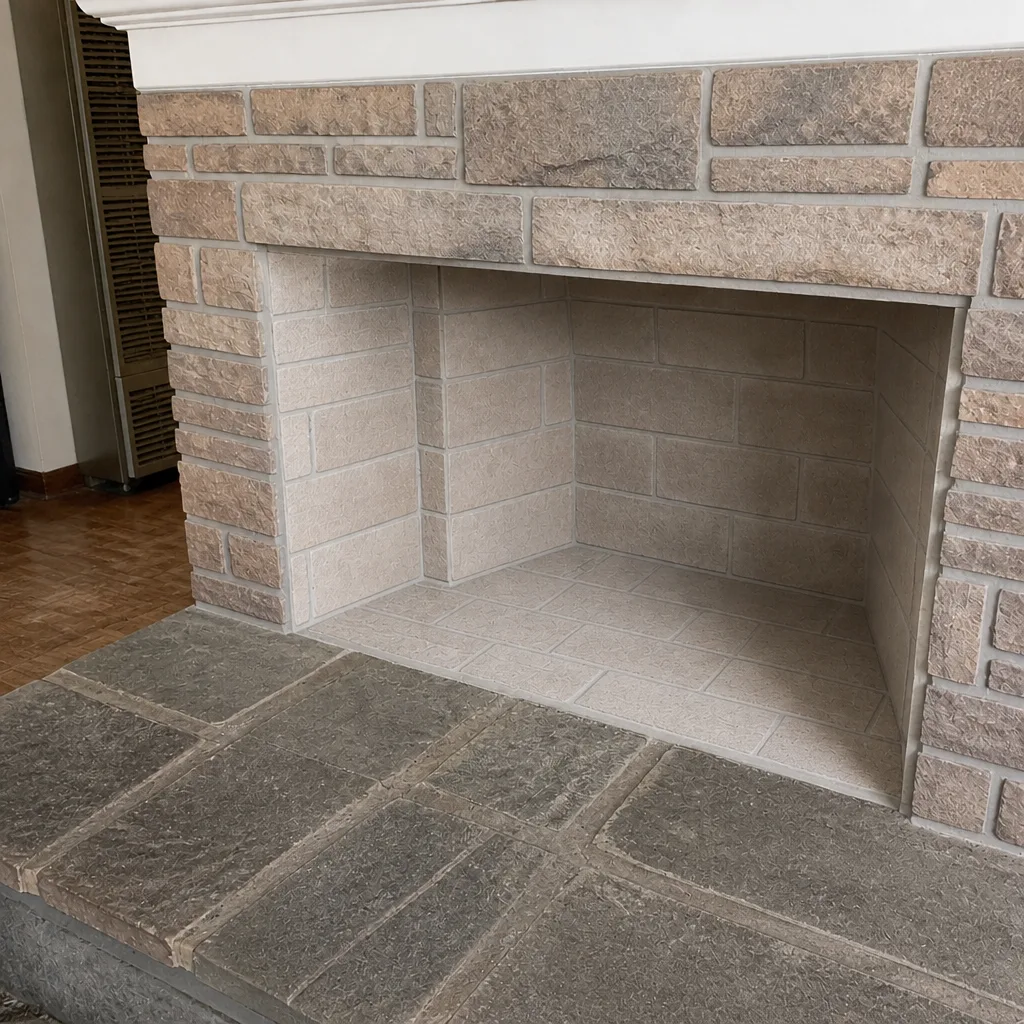
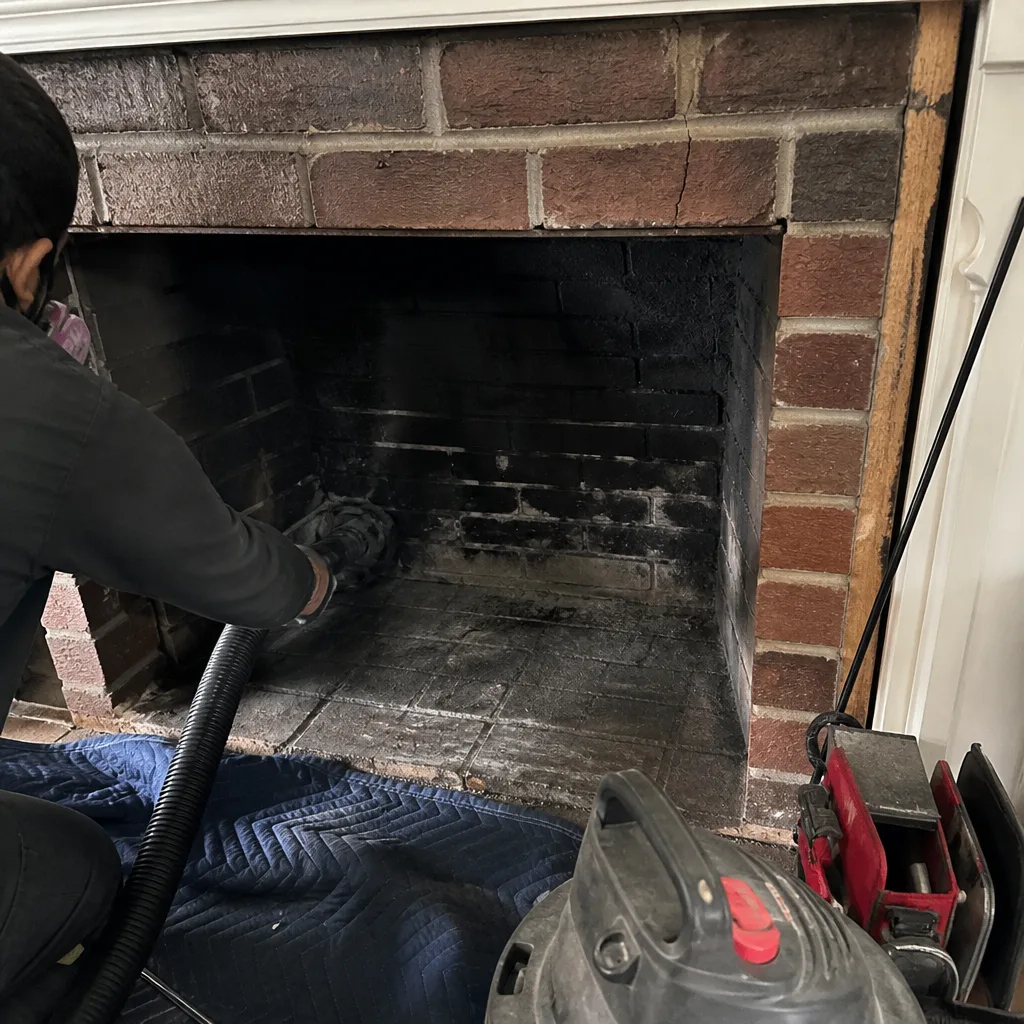
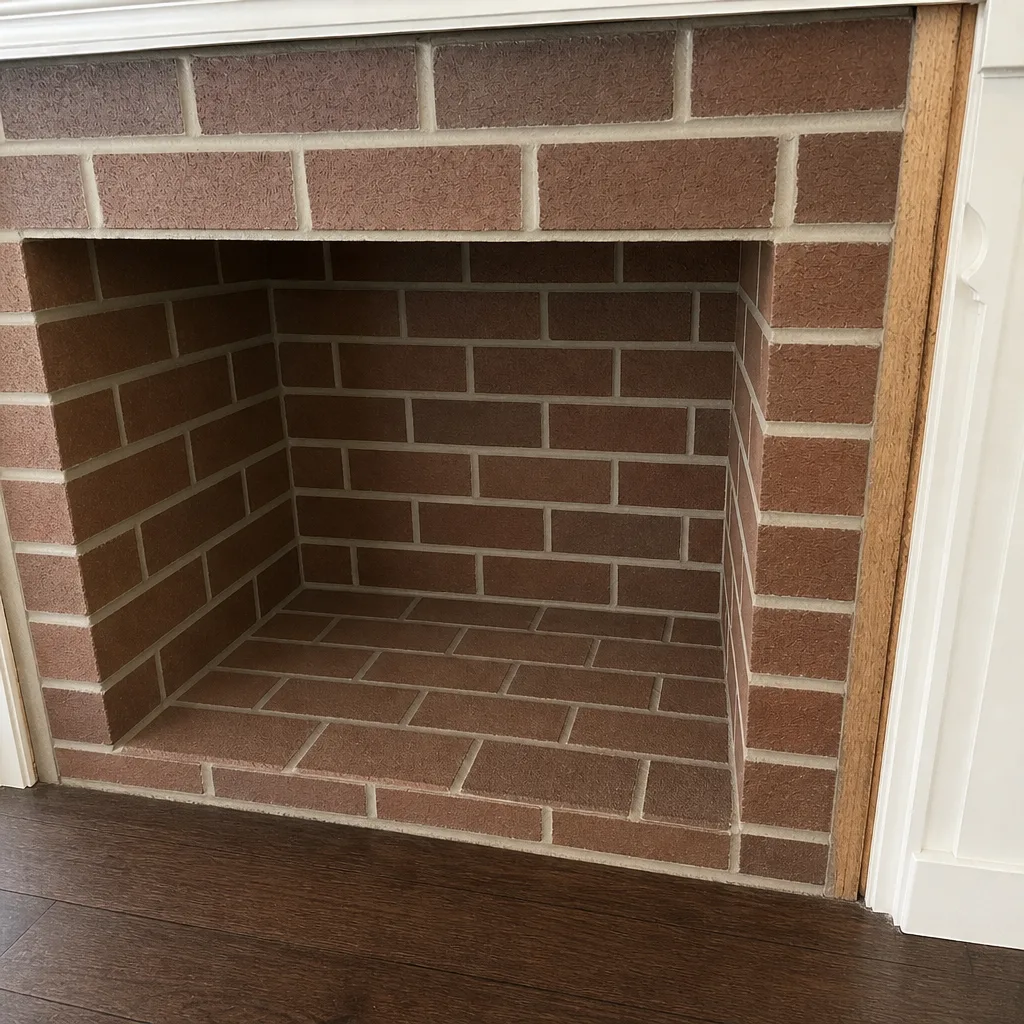
See the difference
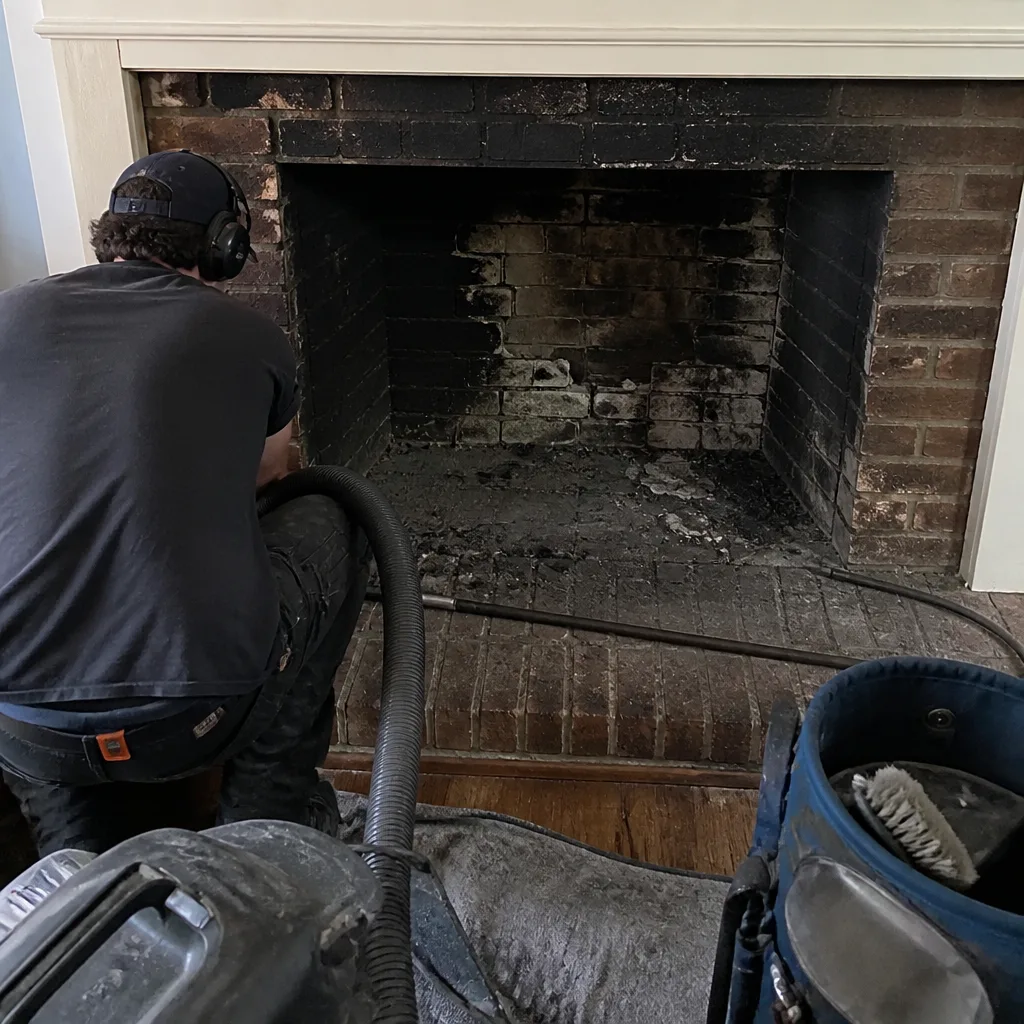 Before
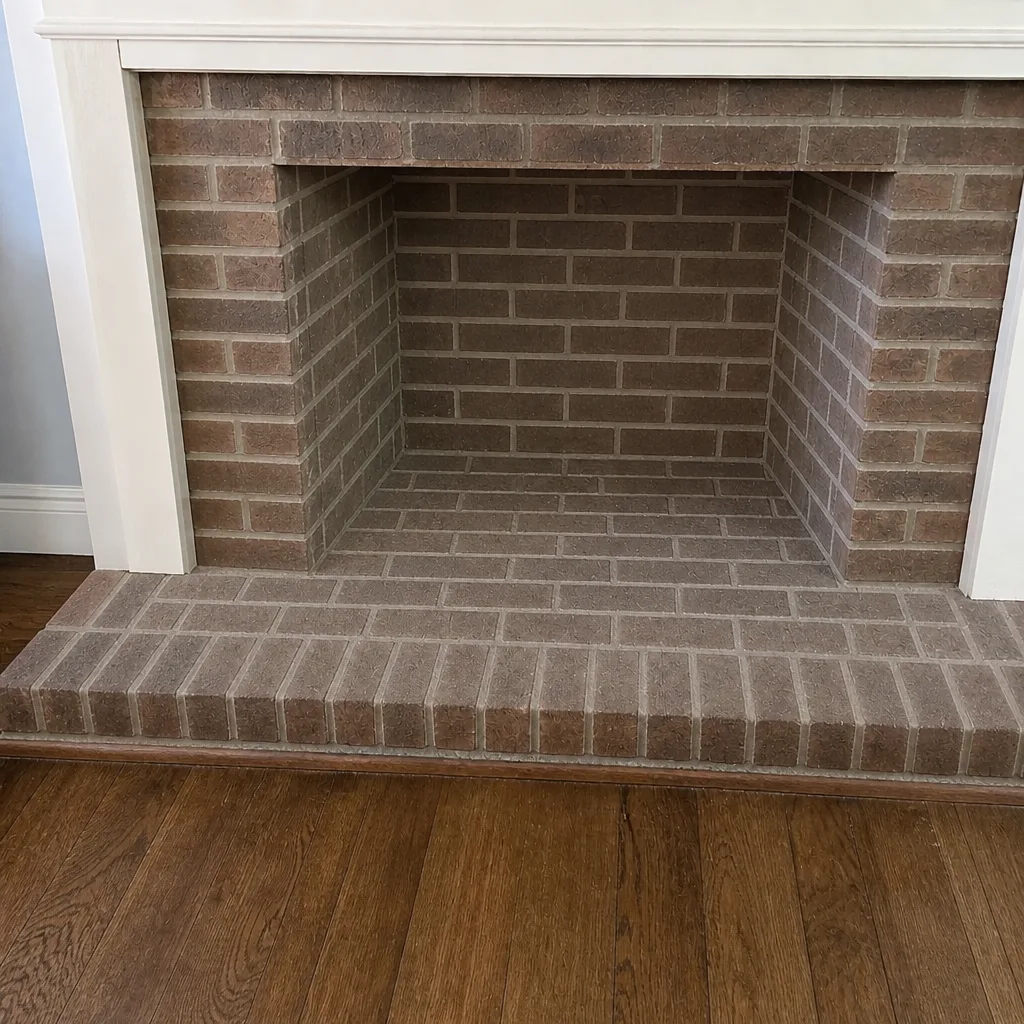 After
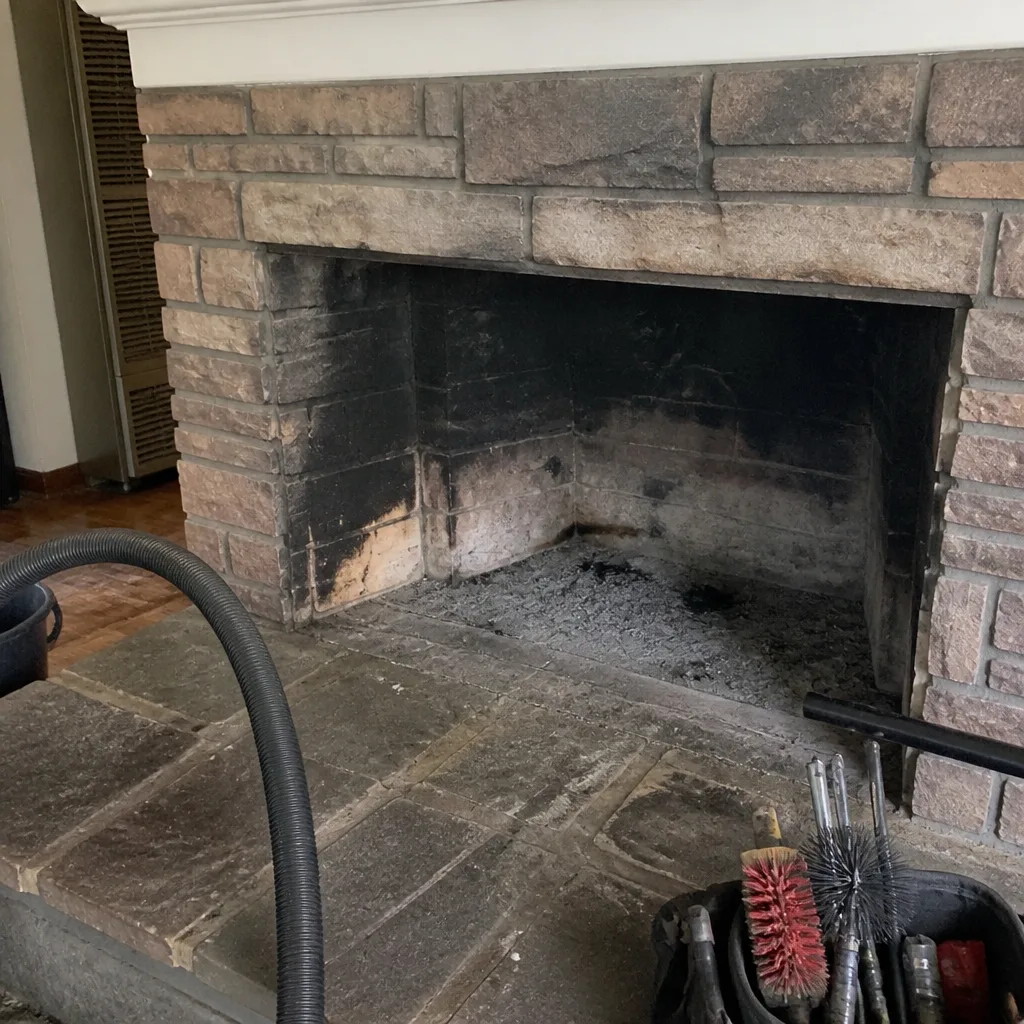 Before
 After
 Before
 After
When to Call a Professional
Some chimney issues can be inspected for – and most can’t be repaired – without a professional. Call us when you notice a strong smell from the fireplace even with the damper closed, a cracked or crumbling crown visible from the roof line, water stains on the ceiling near the chimney, or a visible crack in the firebox masonry. Those are the moments that matter most, because the neglect path is short from each of them. Also call us if you haven’t had the chimney inspected since you bought the house, if you’re switching fuels or adding an insert, or if you’ve had a chimney fire – even a small one that put itself out. If you’re in a home in Trinity Park, Watts-Hillandale, or another older Durham neighborhood with original tile liners and no service history, a first inspection with a camera is the right starting point.
Durham Chimney Sweep offers free estimates in Durham. Call (866) 389-3509. We answer 24/7. Fast dispatch from 7am to 7pm, Sunday through Friday. We’re closed Saturday. If we’ve found a problem on our own inspection and you want a second opinion, we’ll show you the camera footage and document the finding so any contractor can verify it. Nothing is recommended without evidence you can see for yourself, and we’ll say plainly when work can safely wait.
Frequently Asked Questions
A standard chimney sweep in Durham typically runs $180 to $350 in 2026 and includes a Level 1 inspection with a camera look at the flue. Homes with heavy creosote, awkward roof access, or unknown service history land at the higher end; a straightforward sweep of a well-maintained fireplace lands at the lower end. The written estimate sets the final price. Call (866) 389-3509 for an exact quote – estimates are free.
You need a new liner when the existing one is confirmed unsafe – cracked, disconnected, rusted through, improperly sized for the appliance, or coated with glazed creosote that can’t be safely removed. That determination should be made from camera footage, not from a visual glance. Ask to see the video. If the technician can’t show you the specific failure point on screen, the recommendation is worth questioning. Call (866) 389-3509 for an exact quote on an inspection and a second opinion – estimates are free.
Once a year if you burn wood regularly, or more often if you burn green wood or use the fireplace as a primary heat source. A household that lights a handful of fires per season may only need periodic inspection rather than annual cleaning. The camera inspection tells you which schedule applies. Call (866) 389-3509 to book an inspection – estimates are free.
Creosote accumulates in the flue even when you can’t see it, and at 1/8 inch it’s enough to support a chimney fire. There’s also a real carbon monoxide risk when the flue is obstructed or blocked by a nest or debris. Neither shows up as an obvious warning from the living room. The full consequences usually surface after the fact rather than before it. Call (866) 389-3509 to book a sweep – estimates are free.
It covers sudden accidental damage – lightning, storm damage, fire, falling trees – and generally excludes damage from neglect, gradual deterioration, or deferred maintenance. Filing successfully comes down to documentation: a written inspection report with photographs connecting the damage to the event, plus a repair estimate written in specific terms. We can work with your insurer to provide the paperwork you need, though the claim outcome is your adjuster’s decision. Call (866) 389-3509 for an exact quote on an inspection that includes the report – estimates are free.
Yes, and having one company handle both means the diagnosis and the repair don’t get split between two contractors with two different opinions of what’s wrong. Our focus is chimney and venting work specifically, and repair is a normal part of what comes out of a sweep visit – damaged liners, crowns, caps, dampers, and masonry get identified and fixed in the same relationship. Call (866) 389-3509 for an exact quote – estimates are free.
The Bottom Line
Understanding what a chimney invoice actually contains is your best defense against both directions of the market – the too-cheap sweep that skips the inspection, and the too-expensive repair that comes with a pitch instead of a diagnosis. In Durham in 2026, a legitimate sweep runs $180 to $350 with a camera inspection included. Repairs, add-ons, and upgrades are separate line items that should be documented on camera before you approve them. Ask for insurance, ask for the written estimate, ask what brands the company uses, and refuse to approve work you can’t see. Every visit we do includes a camera inspection and a photo report so the decisions are yours, made on evidence rather than pressure. If you’re in Durham and want an honest first visit, call (866) 389-3509 for a free estimate. We answer 24/7. Fast dispatch from 7am to 7pm, Sunday through Friday.
Written by the team at Durham Chimney Sweep, serving Durham since 2015.