
Last updated November 14, 2026
 Sweep & inspection
 Caps & crowns
 Flue relining
 Masonry repair
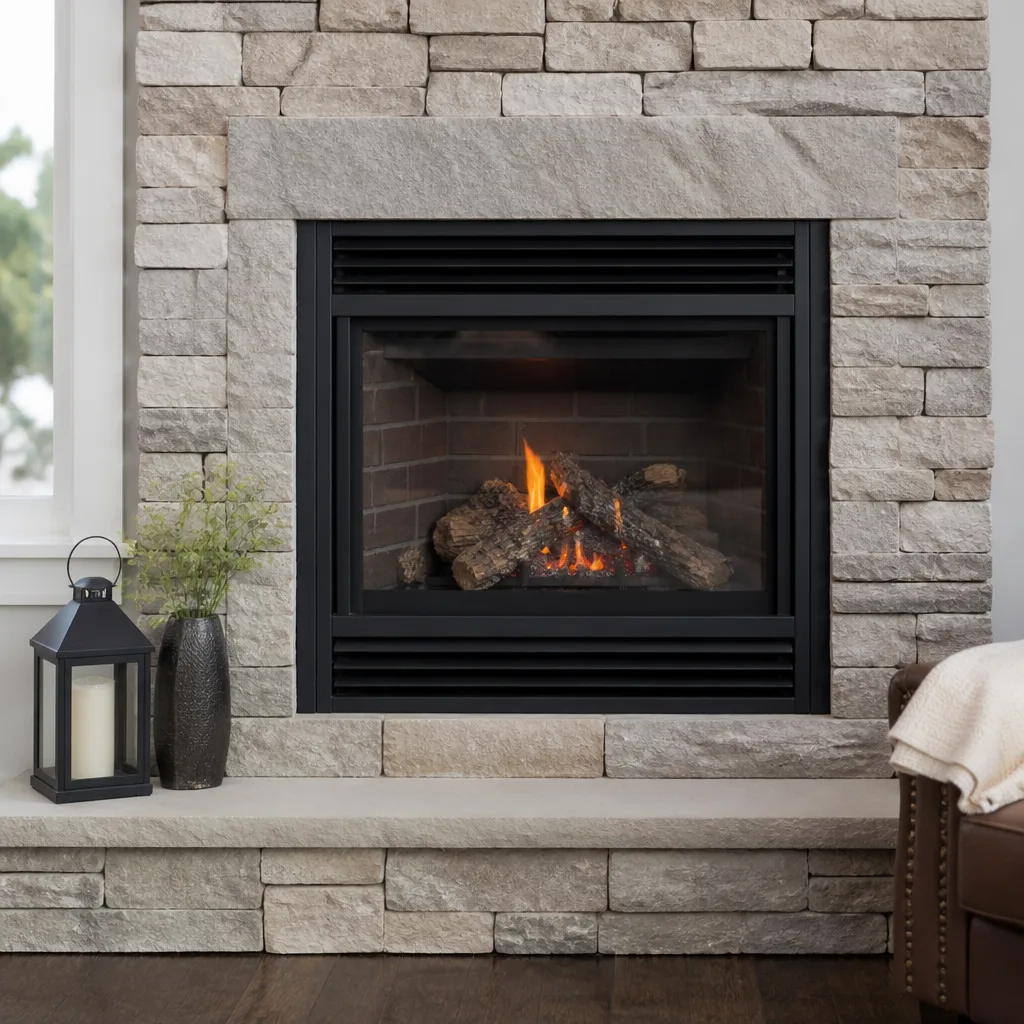 Gas fireplace service
Level 1 sweep and inspection to the NFPA 211 annual standard - flue, crown, cap, and flashing checked and photographed
Chimney sweep logs do not sweep chimneys. They loosen some creosote - which then falls where a brush and vacuum still have to collect it.
Chimney Cleaning Emergency Preparedness Guide for Durham Homes
A chimney fire sounds like a freight train running through your roof. Inside the flue, temperatures can climb toward 2,000°F while the firebox below looks almost normal. You have roughly 90 seconds of useful decision-making time after you recognize what’s happening, and that is not enough time to search for a phone number or read a safety page. Preparedness is not panic. It is three decisions made in advance: what counts as an emergency, who you call, and what you do in the minutes before help arrives. This guide walks Durham homeowners through all three, plus the inspection that has to follow any chimney fire before the fireplace is used again.
Quick Answer
Chimney emergency preparedness for a Durham home means deciding, before anything happens, how you’ll recognize an active chimney fire (a roaring sound like a train, a hot chimney exterior, puffs of smoke or creosote flakes outside), who you’ll call, and what you’ll do in the first 90 seconds. If you suspect a chimney fire, get everyone out, call 911, and do not relight the fireplace until a Level 2 inspection has confirmed the flue is sound. The fire going out is not the same as the chimney being safe.
Styles & brands we work with
- Sweep & inspection
- Caps & crowns
- Flue relining
- Masonry repair
- Gas fireplace service
Table of Contents
- How do you recognize an active chimney fire?
- What should you do in the first 90 seconds?
- What damage does a chimney fire actually cause?
- Why isn’t the chimney safe once the fire is out?
- What does a Level 2 inspection cover after a fire?
- How do you build a home chimney emergency card?
- How does Durham’s burning season affect preparedness?
- Common Mistakes to Avoid
- When to Call a Professional
- Frequently Asked Questions
How do you recognize an active chimney fire?
A chimney fire is often heard before it’s seen. The signature sound is a low roar or rumbling, like a freight train passing overhead, sometimes paired with a series of pops or clicks as creosote ignites in stages. If you hear that while a fire is burning, treat it as an active chimney fire until proven otherwise.
The problem is that not every chimney fire announces itself. Slow-burning chimney fires can be nearly silent and burn out on their own, leaving damage behind that nobody notices until the next inspection. That’s why the visible and olfactory signs matter just as much as the sound.
Watch for these signals:
- Sound: a roar, rumble, or crackling that seems to come from the flue rather than the firebox.
- Smell: a sharp, hot, almost metallic burning odor, distinct from the normal smell of a wood fire.
- Smoke: puffs of black or gray smoke escaping from the top of the chimney, or from cracks in the masonry.
- Creosote flakes: pieces of creosote falling onto the roof or ground near the chimney cap.
- Heat: the chimney chase, the mantel, or the wall behind the fireplace feeling unusually hot to the touch.
- Discoloration: warped or discolored damper components, or a chimney cap that looks heat-stressed.
In our experience, homeowners often mistake a smoky firebox or a draft problem for something worse, or the reverse: they assume a quiet fire is fine when a slow chimney fire is smoldering in the flue. A smoky firebox that won’t draw usually points to a blockage, a closed damper, or a cold flue. A draft problem means smoke spills into the room instead of going up. An active chimney fire is different: the smoke is being consumed, the sound is coming from inside the chimney, and the heat is concentrated in the flue. If you can’t tell the difference, err toward calling 911 and treating it as a fire. Durham homes with older masonry chimneys, common in neighborhoods like Watts-Hillandale and Trinity Park, are especially worth watching closely because the flue tile and mortar may already be worn.
What should you do in the first 90 seconds?
The first 90 seconds are about people, not property. Everything else can be replaced. Work through these steps in order and don’t skip ahead.
- Get everyone out of the house. Adults, children, pets. No exceptions, no going back for belongings.
- Call 911. Tell them you suspect a chimney fire and give your full address. Do this from outside or from a neighbor’s phone if yours is still inside.
- Close the fireplace doors or damper if you can do it safely on the way out. Cutting off the air supply can help slow the fire, but only if it takes seconds and doesn’t delay anyone leaving.
- Do not throw water on the fire. Water on a hot flue can crack tile and cause steam injuries.
- Do not climb onto the roof. People are seriously injured every year trying to inspect or fight chimney fires from above.
- Stay out until the fire department clears the house. Even if the fire seems to have burned itself out, don’t re-enter to check.
- Note the time. When the fire department arrives, telling them when you first noticed the sound or smell helps them assess how long the flue has been under stress.
Write those steps down and put them somewhere the whole household can see. In the moment, nobody remembers a list they read once. The families who contain a chimney fire rather than losing the house are usually the ones who talked through the sequence ahead of time, the same way you’d talk through a fire drill.
What damage does a chimney fire actually cause?
Heat is what does the damage. A normal wood fire keeps the flue within its designed temperature range. A chimney fire pushes the flue liner and the surrounding masonry well past that. The damage shows up in four places:
- The liner. Clay tile liners crack and spall under sudden high heat. A cracked tile opens a path for heat and combustion gases to reach the structure of the house. Stainless liners can warp or separate at the seams.
- Mortar joints. The mortar between bricks and between flue tiles breaks down faster than the tile itself. Loose or missing mortar is one of the first things we look for after a fire event.
- Adjacent framing. This is the serious one. The wood framing that touches the chimney chase is separated from the flue by the liner and the masonry. When either is compromised, that separation is gone. Pyrolysis, the process by which repeated heat exposure lowers wood’s ignition temperature, can turn framing into a much greater risk over time.
- The crown and cap. Heat stress and the water that follows can crack the crown at the top of the chimney, opening the whole system to moisture intrusion.
None of this is visible from the firebox. You can have a chimney fire, put it out, sweep up, and relight the fireplace a week later with a cracked flue tile and no idea. That’s not a scare tactic. It’s the reason the inspection step exists.
Why isn’t the chimney safe once the fire is out?
The fire being out means the burning stopped. It says nothing about whether the flue is still intact. A chimney fire can leave a liner cracked, mortar joints loose, and framing exposed on the other side of a wall, all while the fireplace looks exactly as it did before.
This is the single most common misunderstanding we run into. A homeowner has a chimney fire, the fire department comes, the fire is out, the house is fine, and everyone goes back to normal. Weeks later, the fireplace gets lit again and hot gases move through a cracked flue into spaces they were never meant to reach.
Before the fireplace, wood stove, or gas insert is used again after any suspected chimney fire, the chimney needs a professional inspection. Not a visual glance from the firebox. A proper inspection that examines the flue from top to bottom, including the parts you can’t see.
If you’re not sure whether you had a chimney fire, that’s still a reason to call. A slow chimney fire can leave the same damage with none of the drama. Scheduling a chimney sweep with a full inspection is the right move either way – the sweep clears the creosote and the inspection tells you what condition the flue is in.
What does a Level 2 inspection cover after a fire?
A Level 2 inspection is the standard after a chimney fire, a chimney collapse, a change of fuel type, or a home purchase. It goes beyond what you can see from the firebox and covers the accessible portions of the chimney, including the flue interior, using a camera where needed.
Here’s what that inspection covers in practical terms:
- The full flue interior – looking for cracked, spalled, or displaced tiles, gaps in mortar joints, and signs of HeatShield or liner damage.
- The firebox and damper – checking for warping, cracked firebrick, and a damper that no longer seals.
- The smoke chamber and smoke shelf – the transition zone above the damper where creosote and damage often hide.
- The exterior of the chimney – masonry cracks, crown condition, cap and spark arrestor, and flashing at the roofline.
- Clearances to combustibles – whether the required separation between the chimney and nearby framing is intact.
- The attic and any accessible adjacent spaces – checking for heat damage or pyrolysis on framing that touches the chase.
Where the inspection finds damage, we can address it as part of the same relationship. Deteriorated masonry flues often call for a flexible liner system, and we stock and install DuraFlex liners for exactly that. Cracks and gaps in the flue can sometimes be resurfaced rather than relined, which is where the HeatShield system comes in. Having those options on the truck means we don’t hand you off to a second company to finish the job. Nothing gets recommended without camera evidence you can see for yourself, and if a repair can safely wait, we’ll tell you that too.
How do you build a home chimney emergency card?
A chimney emergency card is a single sheet, posted where a panicked person will find it, that gives you the information you’ll need in the 90 seconds after you recognize a problem. It takes 15 minutes to make and it makes the difference between a contained incident and a confusing one.
Here’s what goes on it:
- Our number: (866) 389-3509. Write it large. In an emergency, nobody wants to unlock a phone and scroll.
- Your gas shutoff location if you have a gas fireplace, gas logs, or a gas insert. Know where it is and how to turn it off. Have the fireplace professional show you if you don’t know.
- Your CO detector locations and the date the batteries were last changed. Carbon monoxide is a real risk with any fuel-burning appliance, and it’s the hazard you can’t see or smell.
- Chimney cap and roof access notes – the roof pitch if you know it, and a reminder in bold letters: do not climb onto the roof during a chimney fire.
- Your 7-step action sequence from the first 90 seconds section above, numbered.
- Where the fire extinguisher is and what type it is.
- The date of your last sweep and inspection. That tells a technician or the fire department when the flue was last verified.
Make one for the kitchen, one for the hallway near the fireplace, and one in the garage near the electrical panel. Laminate them or slip them into a clear sleeve. If you have a household with kids old enough to use a phone, walk them through it once a season. Preparedness in Durham homes comes down to the same thing it does anywhere else: rehearsal, not reaction.
How does Durham’s burning season affect preparedness?
Durham’s climate makes fall and winter the season when fireplaces and wood stoves get their heaviest use, and that’s the same window when creosote builds fastest. Cool, damp evenings in the Piedmont mean wood burns cooler and smokier than it would in drier air, and cool flues draw poorly until they warm up. Both conditions lay down creosote, and creosote is what feeds a chimney fire. The time to book a sweep is before the first cold snap, not the week after it, when every chimney in Durham is trying to get on the same calendar.
Older homes deserve extra attention here. In established Durham neighborhoods like Forest Hills and Duke Park, plenty of the masonry chimneys have been in service for many decades. Original clay tile liners in those chimneys are often worn, and some have never had a camera inspection. If you bought a home with a fireplace and haven’t had the flue examined, that’s the first thing to schedule. The same goes for gas inserts and wood stoves, which share the same flue health and carbon monoxide concerns.
And it’s not just the chimney. The dryer vent is the other system in your home that moves heat out through a wall. Lint buildup in a dryer vent is a recognized fire hazard, and it’s part of the same preparedness picture. Scheduling dryer vent cleaning alongside your chimney sweep covers both at once, and it’s a service most chimney-only companies don’t offer.
See the difference
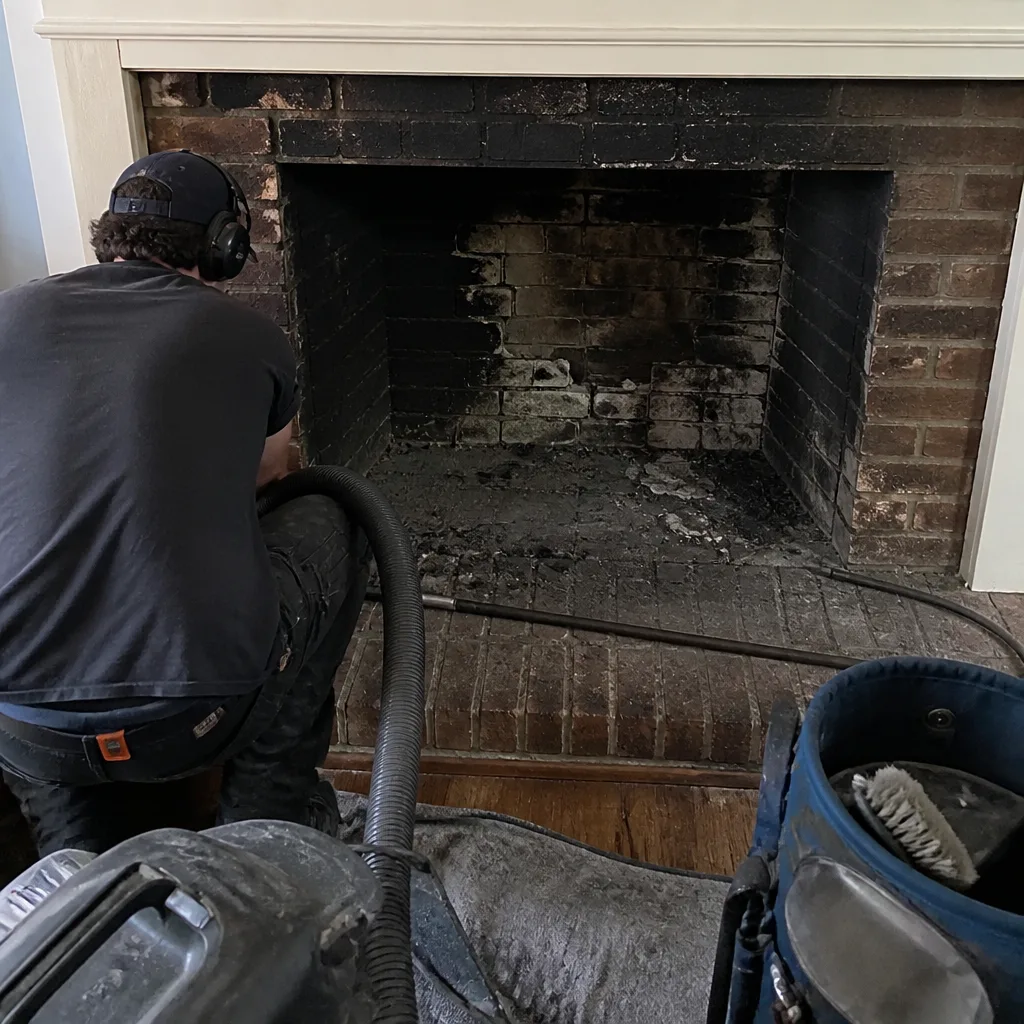 Before
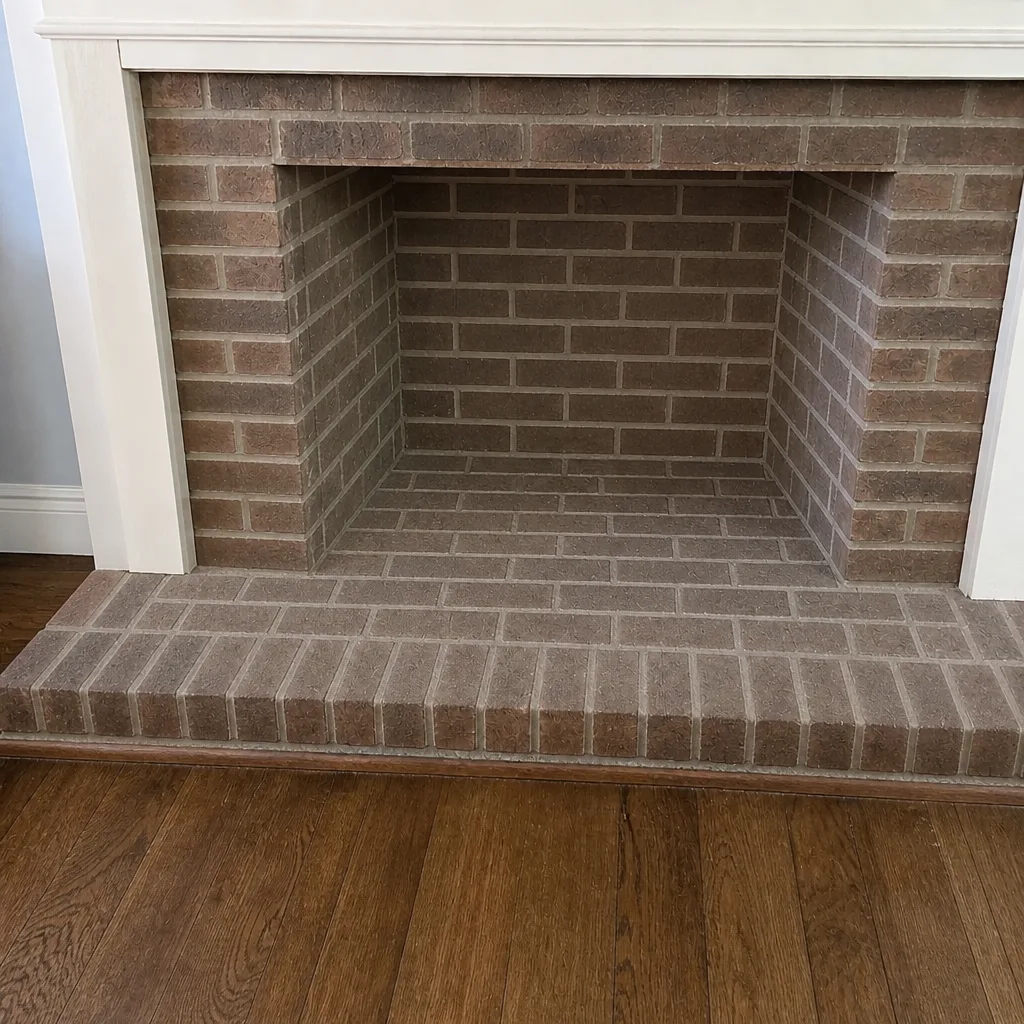 After
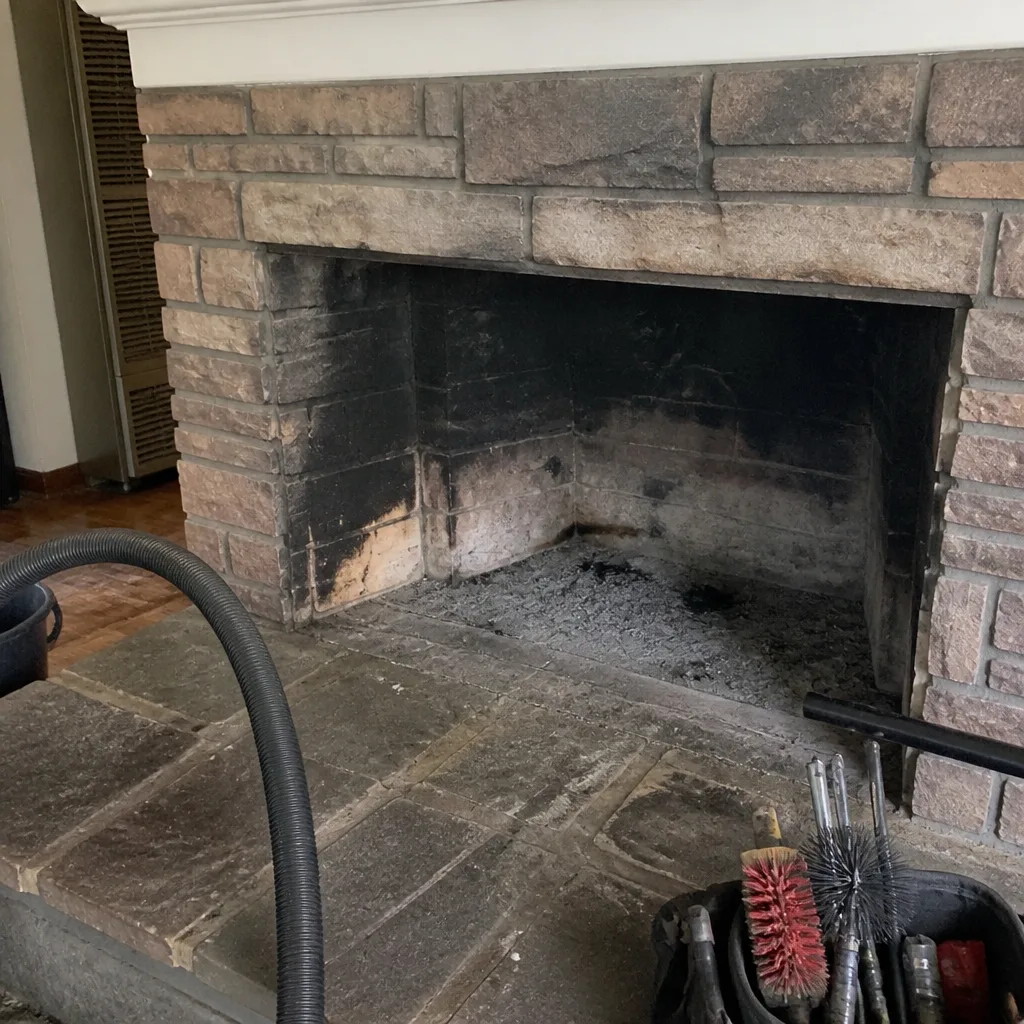 Before
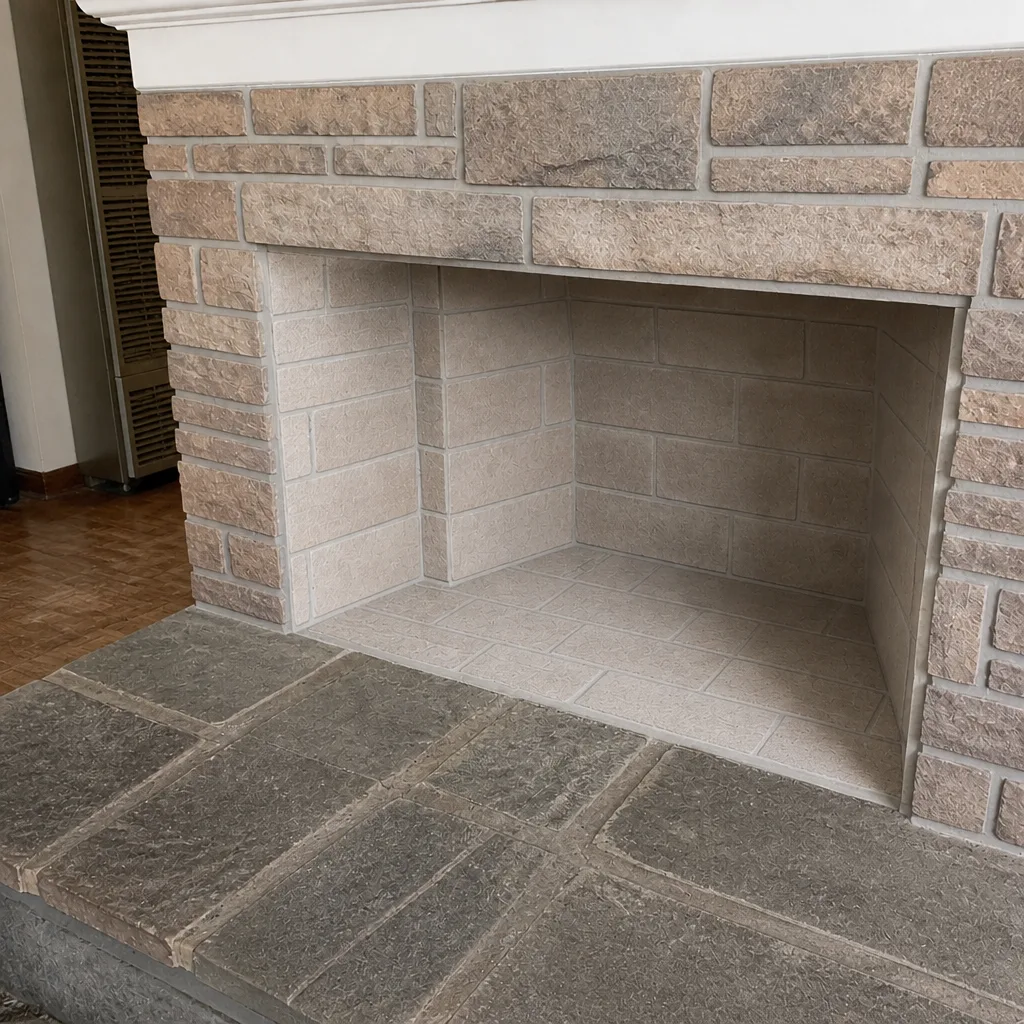 After
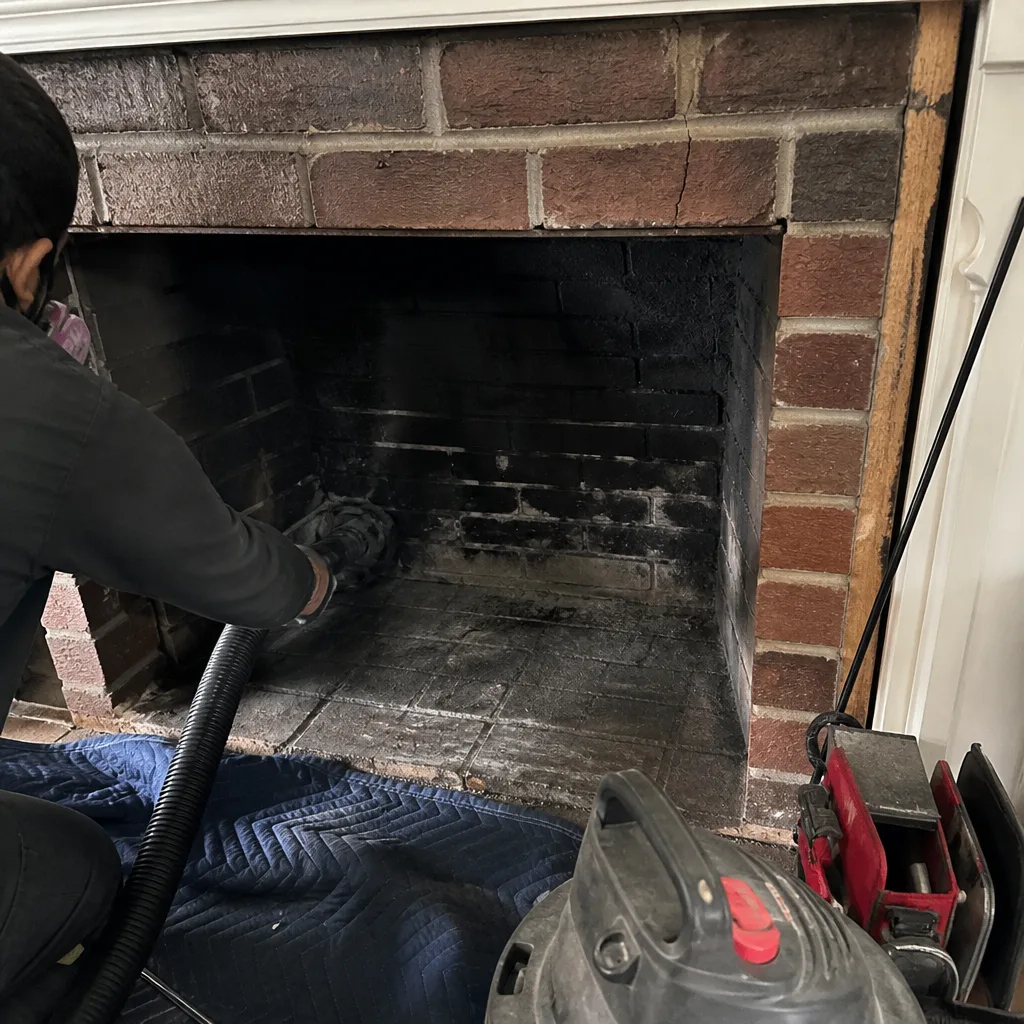 Before
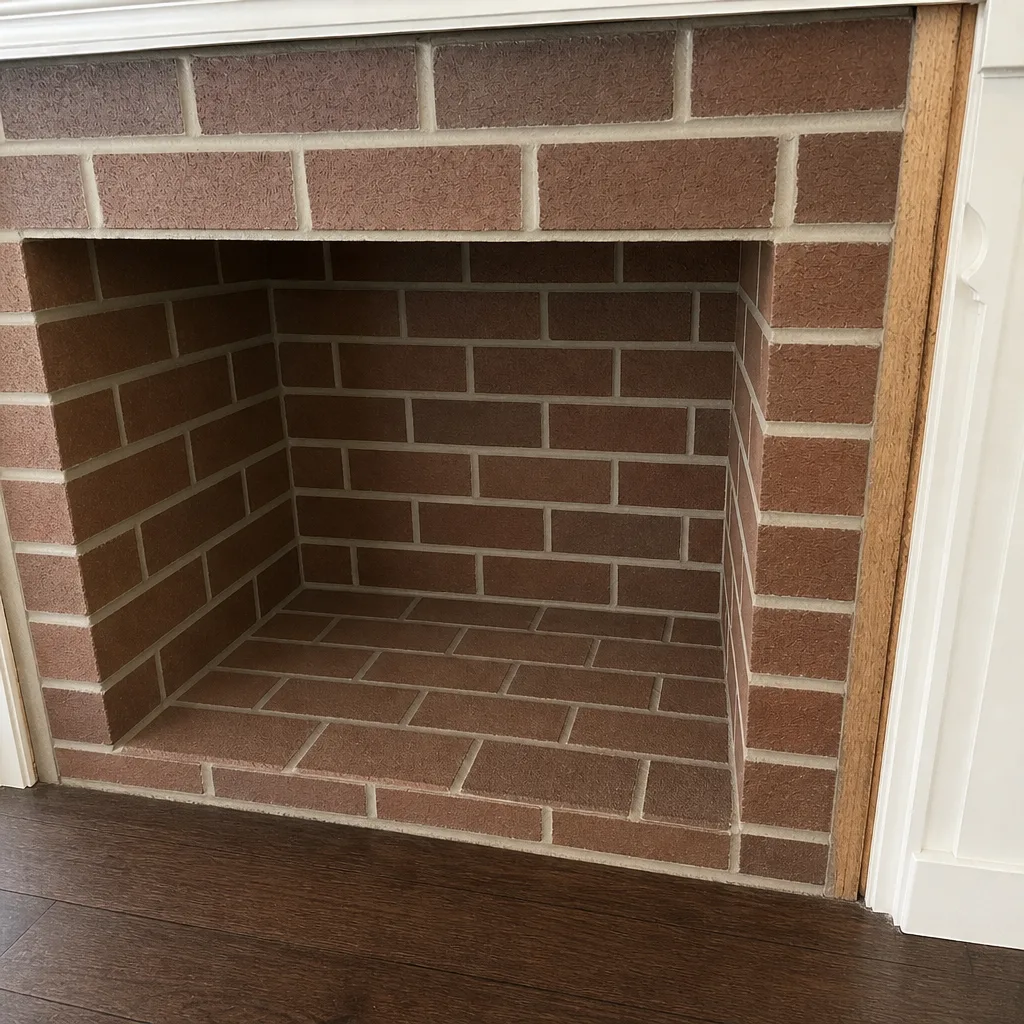 After
Common Mistakes to Avoid
- Relighting the fireplace because the fire “looked small.” Slow chimney fires leave the same cracked tiles as loud ones. Without an inspection, you have no way to know what’s inside the flue.
- Climbing onto the roof to check for sparks. Falls cause serious injuries every year. Leave the roof alone and let the fire department handle it from the ground.
- Throwing a bucket of water down the chimney. A sudden temperature change can crack tile, and the steam it creates can burn anyone nearby.
- Assuming a gas insert is safe because there’s no creosote. Gas appliances still vent combustion gases, and a cracked flue or a disconnected vent can send carbon monoxide into the room.
- Booking a sweep after the first cold week instead of before it. Durham chimneys fill up fast in October and November. Booking early makes the calendar yours, not the other way around.
- Treating a Level 2 inspection as optional after a fire. It’s the only way to know whether the liner, mortar joints, and clearances to framing are still doing their job.
- Forgetting the dryer vent. Lint is highly combustible, and a clogged vent traps it right next to a heat source. Have it cleaned as seriously as the chimney.
When to Call a Professional
Call us if you’ve had a chimney fire, even a suspected one, before the fireplace gets relit. Call if you smell a sharp, hot odor when the fireplace is running, if the chimney exterior gets hot to the touch, or if you see creosote flakes on the roof. Call if you’ve moved into a Durham home with a fireplace, wood stove, or gas insert and don’t have a record of the last inspection. Call if it’s been more than a season since your last sweep, or if you’re burning wood that wasn’t properly seasoned. And call if your CO detector has sounded or you’re not sure where your gas shutoff is. We handle chimney sweeping, chimney repair, and dryer vent cleaning as dedicated specialists on systems the rest of the house depends on.
Durham Chimney Sweep offers free estimates in Durham. Call (866) 389-3509. We answer 24/7. Fast dispatch from 7am to 7pm, Sunday through Friday. We’re closed on Saturday. The price is set per job by the written estimate, and there’s no charge for the estimate itself.
Frequently Asked Questions
A chimney fire typically sounds like a low roar or rumble, often compared to a freight train passing overhead, sometimes with popping or crackling from inside the flue. If you hear that while a fire is burning, get everyone out and call 911. Call (866) 389-3509 for a post-event inspection before the fireplace is used again.
No. Any chimney fire, however small, requires a Level 2 inspection before the fireplace is relit, because the fire being out says nothing about whether the flue tile, mortar, or clearances to framing survived. Call (866) 389-3509 to book the inspection. The estimate is free.
You need a sweep if you’ve burned a season’s worth of wood, if you see a buildup of creosote on the flue walls, or if you don’t have a record of the last one. In Durham’s damp winter air, creosote builds faster than many homeowners expect. Call (866) 389-3509 to schedule.
Yes. Gas appliances vent combustion gases through the flue, so a cracked liner or disconnected vent can allow carbon monoxide into the home. Inspections after a fire or a home purchase are required regardless of the fuel type. Call (866) 389-3509 with questions.
Stop using the fireplace, open a window, and open the damper if it isn’t already. Smoke spilling into the room usually points to a blockage, a draft problem, or a closed damper, not necessarily an active fire. Call (866) 389-3509 and we’ll schedule an inspection to find the cause.
The price is set per job by a written estimate, and the estimate itself is free. We don’t quote over the phone because the scope depends on what the flue actually needs. Call (866) 389-3509 to book an estimate and get a flat price before any work is scheduled.
The Bottom Line
Emergency chimney preparedness comes down to three decisions made before anything happens: what counts as an emergency, who you call, and what you do in the first 90 seconds. Write out the action sequence, post your emergency card, and know where your gas shutoff is. Recognize a chimney fire by the sound first, the hot chimney and creosote flakes second. And remember that the fire going out is not the same as the chimney being safe. A Level 2 inspection after any chimney fire is the step that protects the house, and it’s the step most people skip. Book a chimney sweep before burning season, add dryer vent cleaning while we’re there, and know that Durham Chimney Sweep is the company to call when it matters. We’ve been serving Durham since 2015 with cleaning, repair, and dryer vent work handled by dedicated chimney specialists.
Call (866) 389-3509 for a free estimate. We answer 24/7, with fast dispatch from 7am to 7pm, Sunday through Friday. Closed Saturday. Professional-grade materials from brands like DuraFlex, Olympia Chimney, and Copperfield are on the truck, and nothing gets recommended without camera evidence you can see for yourself.
Written by the team at Durham Chimney Sweep, serving Durham since 2015.